6 Best Optolong UHC Light Pollution Filter Options Compared (2026)
Compare six optolong UHC light pollution filter options for deep-sky viewing. See sizes, coatings, and which filter suits your telescope and skies.
 By Audrey Hayes
Updated November 24, 2026
 By Audrey Hayes
Updated November 2026
If you observe from a backyard under city glow, an optolong uhc light pollution filter can make nebulae stand out where they otherwise wash into the sky. This list compares six filters across the criteria that matter most when buying one: barrel size that fits your eyepiece train, the type of light the filter blocks, optical coating quality, how well the glass is mounted, and whether the filter is aimed at visual observing or astrophotography. Owner feedback patterns and manufacturer specifications were the main inputs; none of these were tested in a lab by us.
Our top picks at a glance
- 1TOP CHOICEBest overallOptolong Ultra High Contrast UHC Light Pollution Reduction Filter, 2"View on Amazon
- 2
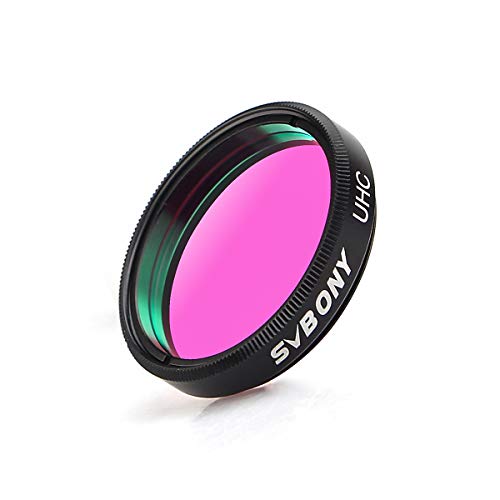 TOP CHOICEBest budget pickSVBONY Telescope Filter, 1.25" UHC Filter Improve ContrastView on Amazon
- 3
 TOP CHOICEBest for broadband city skiesOptolong 2" L-Pro Light Pollution FilterView on Amazon
- 4
 Best for full-coverage eyepiece useUHC Filter, Full Coverage Blocks Light Pollution for Deep Space Observation (30.5mm)View on Amazon
- 5
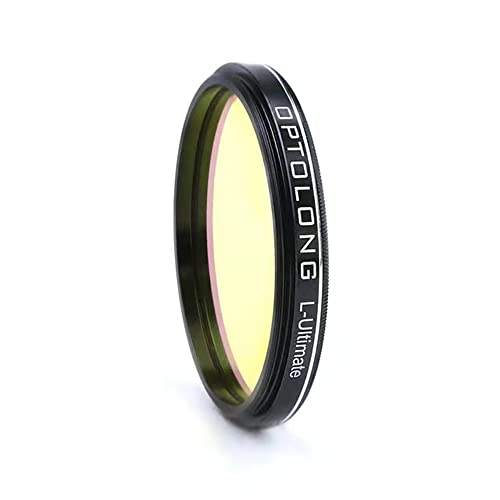 Best for dedicated imagingOptolong L-Ultimate 2" Dual Bandpass Light Pollution Reduction Imaging FilterView on Amazon
- 6
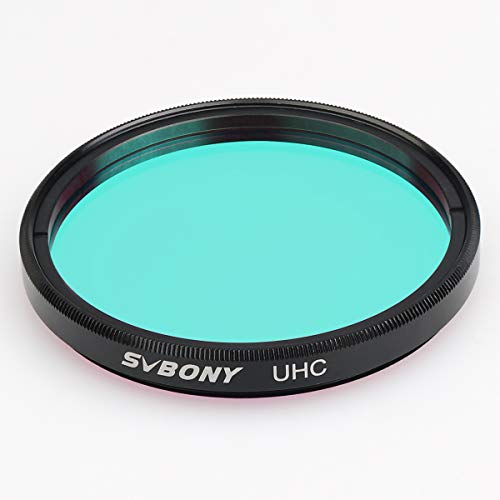 Best coated 2 inch alternativeSVBONY 2" UHC Filter, Multi Coating Optical GlassView on Amazon
Our Top Picks
Quick Comparison
| Product | Best for | Key feature |
|---|---|---|
| Optolong Ultra High Contrast UHC Light Pollution Reduction Filter, 2″ | Overall visual use under suburban skies | 2 inch UHC bandpass for nebulae |
| SVBONY 1.25″ UHC Filter | Budget-conscious beginners with 1.25 inch eyepieces | Optical glass in aluminum frame |
| Optolong 2″ L-Pro Light Pollution Filter | Broadband glow from city skies | Broadband blocking of sodium and mercury lines |
| UHC Filter, Full Coverage (30.5mm) | Users who want a single-size filter for a 30.5 mm barrel | Full-coverage design |
| Optolong L-Ultimate 2″ Dual Bandpass | Astrophotographers working with a color camera | Dual bandpass for imaging |
| SVBONY 2″ UHC Filter | Visual observers wanting a 2 inch multi-coated option | Multi-coated optical glass |
Optolong Ultra High Contrast UHC Light Pollution Reduction Filter, 2″
Optolong Ultra High Contrast UHC Light Pollution Reduction Filter – 2"
Best for: Overall visual use under suburban and light-polluted skies.
This is the filter most owners reach for when they want a 2 inch unit that targets the emission lines produced by common street lighting. It suits observers who mostly look at emission nebulae such as the Orion and North America regions and who have a 2 inch focuser.
Key specs:
- 2 inch (50.8 mm) barrel format
- Ultra high contrast (UHC) bandpass design
- Intended for visual observing of emission nebulae
Pros:
- Strong contrast gain on emission nebulae from city-lit sky
- Fits the standard 2 inch eyepiece path
- Widely discussed by visual observers, with consistent feedback on nebula visibility
Cons:
- Dims galaxies and star clusters somewhat, so it is not an all-object filter
- Needs a 2 inch focuser or adapter, which adds cost to a 1.25 inch setup
Bottom line: A strong first choice for a 2 inch telescope owner who wants one filter for nebula work from a suburban yard.
View on AmazonSVBONY Telescope Filter, 1.25″ UHC Filter Improve Contrast
SVBONY Telescope Filter, 1.25" UHC Filter Improve Contrast for Telescope | Optical Glass Lens, Aluminum Frame, Astrophotography Filter, Light Pollution Filter Nebula Filters, Telescope Accessories
Best for: Budget-conscious beginners using 1.25 inch eyepieces.
This filter targets observers who own a smaller refractor or a Dobsonian with 1.25 inch eyepieces and want to try UHC filtering without a large outlay. It is a sensible way to learn how a light pollution filter changes the view before committing to a 2 inch model.
Key specs:
- 1.25 inch (31.7 mm) barrel format
- UHC bandpass design for emission nebulae
- Optical glass in an aluminum frame
Pros:
- Fits the most common eyepiece size
- Aluminum frame feels sturdy in owner descriptions
- Simple to thread into an eyepiece or diagonal path
Cons:
- Smaller clear aperture than 2 inch options, which can limit field coverage
- Works best with a moderately sized telescope rather than a large light bucket
Bottom line: The practical entry point for a beginner with 1.25 inch eyepieces who wants to see whether UHC filtering suits their skies.
View on AmazonOptolong 2″ L-Pro Light Pollution Filter
Optolong 2" L-Pro Light Pollution Filter
Best for: Broadband glow from city and suburban skies.
The L-Pro is a broadband light pollution filter rather than a narrow UHC design. It suits observers under heavier sky glow who want a more forgiving filter that works on a wider range of targets, including galaxies, than a pure UHC filter does.
Key specs:
- 2 inch (50.8 mm) barrel format
- Broadband design aimed at common artificial light sources
- Intended for visual use on deep-sky objects
Pros:
- More versatile across object types than a narrowband UHC filter
- Useful under heavily lit skies where UHC alone may not be enough
- Good match for observers who want one filter for mixed targets
Cons:
- Broadband filters generally give less contrast boost on nebulae than UHC designs
- Requires a 2 inch setup
Bottom line: Choose this if your sky is heavily lit and you want a filter that handles galaxies and clusters as well as nebulae.
View on AmazonUHC Filter, Full Coverage Blocks Light Pollution for Deep Space Observation (30.5mm)
UHC Filter, Full Coverage Blocks Light Pollution for Deep Space Observation Ultra(30.5mm)
Best for: Users who want a single-size filter for a 30.5 mm barrel.
This filter is aimed at observers whose eyepieces or accessories use a 30.5 mm barrel and who want full-coverage UHC filtering across the field. It fits a narrower group of setups than the 1.25 and 2 inch options, so check your barrel size before buying.
Key specs:
- 30.5 mm barrel format
- Full-coverage UHC design for deep-sky observation
Pros:
- Full-coverage design avoids vignetting around the edge of the field
- Targets common emission lines from urban lighting
- Suits a specific eyepiece barrel that many 1.25 inch-style users may not have
Cons:
- Narrow fit range, so it is only useful with compatible 30.5 mm accessories
- Less owner feedback history than the Optolong and SVBONY lines
Bottom line: Pick this only if you have confirmed a 30.5 mm barrel in your setup and want full-field UHC coverage.
View on AmazonOptolong L-Ultimate 2″ Dual Bandpass Light Pollution Reduction Imaging Filter
Optolong L-Ultimate 2” Dual Bandpass Light Pollution Reduction Imaging Filter
Best for: Astrophotographers working with a color camera.
The L-Ultimate is designed for imaging rather than visual use. It is for observers who attach a camera to a 2 inch imaging train and want a dual bandpass filter that passes the emission lines most useful for nebula photography under light-polluted skies.
Key specs:
- 2 inch (50.8 mm) barrel format
- Dual bandpass design for imaging
- Intended for camera use rather than eyepiece viewing
Pros:
- Built for imaging workflows with cameras
- Dual bandpass helps balance contrast and color across nebulae
- Well suited to cameras used on a 2 inch imaging train
Cons:
- Not intended for visual observing, so it is a poor match for eyepiece-only users
- Imaging filters often need longer exposures and a tracking mount to show their advantage
Bottom line: The right choice for a camera-equipped observer who wants a filter specifically for light-polluted nebula imaging.
View on AmazonSVBONY 2″ UHC Filter, Multi Coating Optical Glass
SVBONY 2" UHC Filter, Multi Coating Optical Glass, Telescope Filter | Improve Image Contrast, Reduce Light Pollution, Telescope Accessories for Deep Sky Objects Astrophotography & Observation
Best for: Visual observers who want a 2 inch multi-coated UHC filter.
This 2 inch UHC filter is for observers who want a multi-coated optical glass filter for visual use. It is a reasonable alternative to the Optolong 2 inch UHC when you want to compare coating quality and build for the same use case.
Key specs:
- 2 inch (50.8 mm) barrel format
- Multi-coated optical glass
- UHC design for reducing light pollution on deep-sky objects
Pros:
- Multi-coated glass is intended to reduce reflections and improve transmission
- Fits a 2 inch focuser path
- Targets the same emission lines as other UHC designs
Cons:
- Visual gains vary with sky darkness and telescope aperture, so expectations should be moderate
- Requires a 2 inch setup, which adds to the overall kit
Bottom line: A solid 2 inch visual option for observers comparing coatings and build quality across UHC filters.
View on AmazonBuying Guide
Barrel size and eyepiece fit
Measure your eyepiece barrel before buying. Common sizes are 1.25 inch (31.7 mm), 2 inch (50.8 mm), and 30.5 mm. A filter that does not match the barrel will not thread on or seat correctly, so confirm the size first.
Good picks for this: SVBONY 1.25″ UHC Filter, Optolong 2″ UHC
UHC versus broadband design
UHC (ultra high contrast) filters pass a narrow set of emission lines and block most of the rest. They boost nebulae strongly but dim galaxies. Broadband filters such as the L-Pro block a wider range of artificial light and are more forgiving on mixed targets, though they usually give less nebula contrast.
Good picks for this: Optolong 2″ L-Pro, Optolong 2″ UHC
Sky darkness and light source type
Filters work best when the dominant light pollution matches what the filter blocks. Sodium and mercury street lamps have different spectral signatures, so check the lighting near your site. Suburban skies usually respond well to UHC, while heavily lit city skies may need broadband filtering.
Good picks for this: Optolong 2″ L-Pro, UHC Filter Full Coverage (30.5mm)
Visual use versus astrophotography
Visual filters are designed to be looked through and balance comfort with contrast. Imaging filters are built for cameras, often with dual bandpass designs and optical properties suited to long exposures. Decide which you will do most before buying.
Good picks for this: Optolong L-Ultimate 2″ Dual Bandpass, SVBONY 2″ UHC Filter
Optical coating and glass quality
Multi-coated optical glass reduces unwanted reflections and helps transmission. Look for descriptions that mention multi-coated or optical glass, since these details affect contrast and image cleanliness more than the frame does.
Good picks for this: SVBONY 2″ UHC Filter, SVBONY 1.25″ UHC Filter
Mounting, durability and care
A metal frame protects the glass and holds the filter square in the barrel. Keep the filter clean with a soft lens brush or a microfiber cloth and avoid touching the glass. Store it in its case between sessions to prevent scratches and dust buildup.
Good picks for this: SVBONY 1.25″ UHC Filter, Optolong 2″ UHC
Telescope type and aperture
Filters reduce light, so a larger aperture helps compensate for the brightness lost to filtering. Smaller refractors may see a dimmer view with a broadband filter, and an imaging rig will need a filter sized for the camera train rather than the eyepiece.
Good picks for this: Optolong L-Ultimate 2″ Dual Bandpass, Optolong 2″ L-Pro
FAQ
What does an optolong uhc light pollution filter actually do?
A UHC filter passes the narrow emission lines from nebulae while blocking much of the artificial light that washes out the sky. Emission nebulae usually appear brighter and more defined, while stars and galaxies may dim somewhat.
Which barrel size should I buy?
Check your eyepiece barrel first. Most eyepieces use 1.25 inch or 2 inch barrels, and some accessories use 30.5 mm. Buying the wrong size is the most common setup mistake.
Will a UHC filter help with galaxies?
Generally, UHC filters are not designed for galaxies, which emit broadband light rather than the narrow emission lines UHC filters pass. For galaxies from a light-polluted yard, a broadband filter such as the L-Pro is usually a better match.
Can I use a UHC filter for astrophotography?
Visual UHC filters can be used with cameras, but imaging-specific filters such as dual bandpass designs are built for camera workflows. Choose based on whether you plan to observe visually or image.
Does a light pollution filter work from a city?
It helps most under suburban skies. Heavily lit urban skies may overwhelm a UHC filter, and a broadband design often performs better in those conditions. Dark-sky sites remain the strongest option for faint objects.
Do I need a large telescope to benefit from a filter?
Filters reduce brightness, so a larger aperture gathers more light and helps maintain a usable view. Small telescopes can still benefit, but targets may appear dimmer than in darker skies.
Conclusion
For most visual observers with a 2 inch focuser, the Optolong 2 inch UHC is a strong overall choice, with the SVBONY 2 inch UHC as a multi-coated alternative. Beginners with 1.25 inch eyepieces will find the SVBONY 1.25 inch UHC the practical starting point. Those under heavily lit skies who want galaxies and clusters as well as nebulae should look at the L-Pro. The 30.5 mm full-coverage filter fits a narrower setup, and the L-Ultimate dual bandpass is built for camera users. Match the barrel size and sky conditions first, then choose the design.
Sources
- Background on how astronomical objects emit light and how sky glow affects observing (nasa.gov)
- Guidance on light pollution sources, sky brightness and dark-sky observing
- Resources on observing techniques and telescope accessories
Before you buy: helpful guides
Related reading
- Optolong L Pro Light Pollution Filter (2026): Which Should You Choose?
- Polarizer Filter Light Pollution vs Narrowband: Which Should You Choose?
- Light Pollution Filter Comparison (2026): Which Should You Choose?
- 7 Best Light Pollution Filters for Astrophotography Picks in 2026
- 6 Best 77mm Light Pollution Filter Picks Compared for Night Sky Viewing
- 5 Best Camera Light Pollution Filters for Night Sky Shots (2026)
About Audrey Hayes
Audrey Hayes is part of our editorial team and reviews and edits our telescopes & stargazing guides, checking product details against manufacturer specifications and owner feedback.
About the author
Audrey Hayes writes reviews and buying guides for Astronomy Site.