Pure Night Light Pollution Filter: 7 Best Picks Compared for Night Sky Viewing
Compare 7 pure night light pollution filters for telescopes and cameras. See how each one handles city glow, star clarity and color cast before you buy.
 By Audrey Hayes
Updated November 25, 2026
 By Audrey Hayes
Updated November 2026
If you observe from a backyard in a suburb or a city edge, a pure night light pollution filter can make the difference between a washed-out gray sky and a field of faint galaxies and nebulae. This guide compares seven filters built for night sky work, judged on the criteria that matter most: how well they block artificial sodium and mercury glow, how much they preserve natural star color, whether they introduce a visible color cast, the filter size and thread fit for your gear, and the coating and glass quality that affect contrast over time.
Our top picks at a glance
- 1TOP CHOICEBest overallWalking Way 67mm Natural Night FilterView on Amazon
- 2TOP CHOICEBest for small telescopesWalking Way 49mm Natural Night FilterView on Amazon
- 3
 TOP CHOICEBest for camera lensesK&F CONCEPT 67mm Clear Natural Night FilterView on Amazon
- 4
 Best for large lensesK&F CONCEPT 77mm Clear Natural Night FilterView on Amazon
- 5Best for wide-field imagingWalking Way 77mm Natural Night FilterView on Amazon
- 6
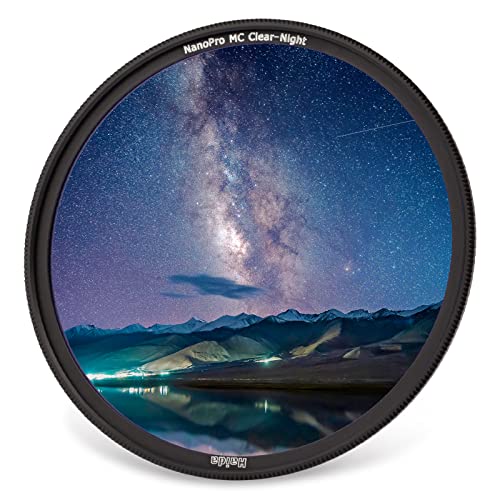 Best budget pickHaida 52MM Clear-Night FilterView on Amazon
- 7
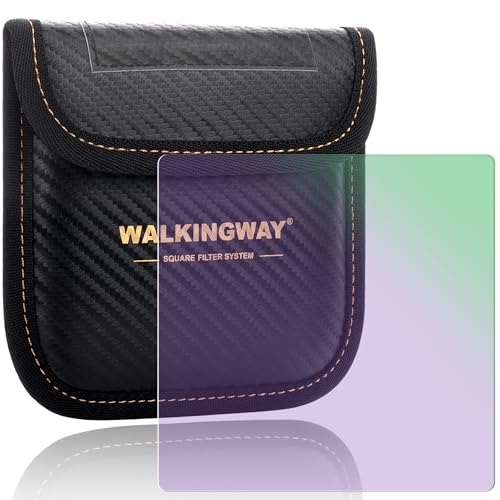 Best for square filter systemsWalking Way Natural Night Filter 100x100mmView on Amazon
Our Top Picks
Quick Comparison
| Product | Best for | Key feature |
|---|---|---|
| Walking Way 49mm Natural Night Filter | Small telescope eyepieces and compact lenses | Nano-coated optical glass, 49mm thread |
| Walking Way 77mm Natural Night Filter | Large-aperture lenses and wide-field work | Nano-coated optical glass, 77mm thread |
| K&F CONCEPT 67mm Clear Natural Night Filter | Camera lenses for night sky shots | 28 multi-layer coatings, low color cast |
| Walking Way 67mm Natural Night Filter | Mid-size lenses and visual-plus-imaging use | Nano-coated optical glass, 67mm thread |
| Haida 52MM Clear-Night Filter | Budget-minded users with compact cameras | Light pollution source reduction for sky and stars |
| K&F CONCEPT 77mm Clear Natural Night Filter | Large camera lenses and telephoto setups | 28 multi-layer coatings, 77mm thread |
| Walking Way Natural Night Filter 100x100mm | Square filter holders and modular systems | Ultra-thin 2mm square glass |
Walking Way 67mm Natural Night Filter
Walking Way 67mm Natural Night Filter for Light Pollution Reduction Nano-Coated Optical Glass for Night Sky/Astrophotography/Star Clarity Anti-Light Pollution Filter
Best for: Mid-size lenses and users who want both visual and imaging benefit from one filter.
This is a practical middle-size option for observers who use a 67mm-thread lens or adapter ring and want to shoot and look through the same glass. Its size sits between the smaller and larger Walking Way models, so it fits many common setups without requiring a large step-up ring.
Key specs
- Filter thread: 67mm
- Glass: nano-coated optical glass, as stated in the listing
- Purpose: reduces artificial light pollution for night sky and star imaging
Pros
- Common thread size, easy to match with existing lenses
- Nano-coated glass is designed to limit reflections and ghosting
- Works for both imaging and visual sky observation
Cons
- Like all light-pollution filters, it cannot remove the glow of very bright urban skies entirely
- Owners often report that results depend heavily on exposure settings and sky conditions
Bottom line: A strong default choice if your lens or telescope accepts a 67mm filter and you want one filter for varied night sky work.
View on AmazonWalking Way 49mm Natural Night Filter
Walking Way 49mm Natural Night Filter for Light Pollution Reduction Nano-Coated Optical Glass for Night Sky/Astrophotography/Star Clarity Anti-Light Pollution Filter
Best for: Small telescope eyepieces and compact lenses.
The 49mm size suits compact cameras, small-aperture telephoto lenses and some eyepiece adapters. It is a sensible pick for beginners who want to test whether a light pollution filter helps before investing in a larger size.
Key specs
- Filter thread: 49mm
- Glass: nano-coated optical glass
- Purpose: light pollution reduction for night sky use
Pros
- Small size is easy to fit on compact lenses
- Coated optical glass for improved transmission of starlight
- Good entry point for first-time filter buyers
Cons
- Limited to lenses that take a 49mm thread
- Smaller lenses often produce less light, so exposure times may need adjusting
Bottom line: Best for beginners with compact gear who want an affordable way to try a night filter.
View on AmazonK&F CONCEPT 67mm Clear Natural Night Filter
K&F CONCEPT 67mm Clear Natural Night Filter Pollution Reduction | 28 Multi-Layer Coatings Light Pollution Reduction Filter for Night City Sky Star Shots.No Color Cast Nano-X Series FE707
Best for: Camera lenses used for night sky shots.
This model is aimed at astrophotographers who want a neutral look in their images. The listing emphasizes low color cast, which matters when you are trying to keep the natural tones of nebulae and star fields intact.
Key specs
- Filter thread: 67mm
- Coating: 28 multi-layer coatings, as stated in the listing
- Series: Nano-X
Pros
- Multi-layer coatings are intended to reduce reflections
- Stated low color cast helps keep sky tones neutral
- Widely available thread size for camera users
Cons
- Owners sometimes report that heavy city glow still needs post-processing
- Not designed for daytime use, so it offers no benefit outside night sky work
Bottom line: A good fit for camera owners who prioritize color neutrality in night sky images.
View on AmazonK&F CONCEPT 77mm Clear Natural Night Filter
K&F CONCEPT 77mm Clear Natural Night Filter Pollution Reduction | 28 Multi-Layer Coatings Light Pollution Reduction Filter for Night City Sky Star Shots.No Color Cast Nano-X Series FE707
Best for: Large camera lenses and telephoto setups.
The 77mm version of the same multi-layer design is intended for larger front elements. It suits photographers using long lenses with wide front threads, where a smaller filter would not fit.
Key specs
- Filter thread: 77mm
- Coating: 28 multi-layer coatings, as stated in the listing
- Series: Nano-X
Pros
- Fits larger front threads without adapters
- Same multi-layer coating approach as the smaller model
- Useful for telephoto night sky framing
Cons
- Larger filters are heavier and can add weight to lightweight mounts
- Only useful if your lens has a 77mm thread
Bottom line: The right pick for photographers with large-diameter lenses who want the same coating design across sizes.
View on AmazonWalking Way 77mm Natural Night Filter
Walking Way 77mm Natural Night Filter for Light Pollution Reduction Nano-Coated Optical Glass for Night Sky/Astrophotography/Star Clarity Anti-Light Pollution Filter
Best for: Large-aperture lenses and wide-field work.
At 77mm, this filter targets large lenses and telescope adapters used for wide-field sky views. Its nano-coated glass is intended to keep star clarity while reducing the glow from nearby city lights.
Key specs
- Filter thread: 77mm
- Glass: nano-coated optical glass
- Purpose: night sky and astrophotography light pollution reduction
Pros
- Large format suits wide-field lenses
- Coated glass aimed at star clarity
- Same design family as the 49mm, 67mm and square models
Cons
- Bulkier and heavier than smaller sizes
- Needs a matching thread, so adapter rings may be required
Bottom line: Pick this if you use a 77mm lens and want a filter sized for wide-field night sky framing.
View on AmazonHaida 52MM Clear-Night Filter
Haida 52MM Clear-Night Filter Light Pollution Source Reduction for Sky/Star
Best for: Budget-minded users with compact cameras.
Haida is a long-established filter maker, and this 52mm clear-night model is positioned as a lower-cost route into light pollution filtering. It suits users who want to experiment before committing to a premium option.
Key specs
- Filter thread: 52mm
- Purpose: light pollution source reduction for sky and star photography
Pros
- Established brand with a broad filter lineup
- Budget-friendly way to test night filtering
- 52mm thread fits many mid-size lenses
Cons
- Fewer coating details are listed than on the multi-layer models
- Owners often report that stronger city glow still needs additional correction
Bottom line: A sensible starting point for users with a 52mm lens who want to learn how night filters change their images.
View on AmazonWalking Way Natural Night Filter 100x100mm
Walking Way Natural Night Filter 100x100mm Ultra-Thin 2mm Anti-Light Pollution Filter for Night Sky/Star/Astrophotography/Cityscapes Light Pollution Reduction Filter
Best for: Square filter holders and modular systems.
Square filters slide into holders that can work with several lens sizes through a single mount. This ultra-thin 2mm glass model is for photographers already using a square filter system or planning one.
Key specs
- Format: 100x100mm square
- Thickness: 2mm, as stated in the listing
- Purpose: anti-light pollution for night sky, star and cityscape work
Pros
- Works with square filter holders across many lenses
- Thin profile reduces vignetting risk on wide lenses
- Useful for cityscapes as well as sky shots
Cons
- Requires a square filter holder and matching adapter
- Square format is less convenient for simple screw-on setups
Bottom line: Ideal for photographers who already run a square filter system and want a light pollution option that fits it.
View on AmazonBuying Guide
Filter Size and Thread Fit
Measure the front thread of your lens or the barrel of your eyepiece adapter before buying. Common sizes in this list are 49mm, 52mm, 67mm and 77mm, and a mismatch means you need a step-up or step-down ring, which can add vignetting. Square 100x100mm filters need a holder instead of a threaded mount.
Good picks for this: Walking Way 67mm Natural Night Filter, Walking Way Natural Night Filter 100x100mm
Coating Quality
Multi-layer and nano coatings reduce reflections and ghosting, which can wash out faint stars near bright objects. Check whether the listing states the number of coating layers or the glass type. Manufacturers that specify coating counts give you more to compare than those that do not.
Good picks for this: K&F CONCEPT 67mm Clear Natural Night Filter, K&F CONCEPT 77mm Clear Natural Night Filter
Color Cast and Star Color
Some filters tint the image slightly, which can shift the look of nebulae and star colors. A low color cast is important if you want accurate tones. Test with a daytime reference or review sample images from the seller before committing to a purchase.
Good picks for this: K&F CONCEPT 67mm Clear Natural Night Filter, Walking Way 67mm Natural Night Filter
Use Case: Visual or Imaging
Visual observers and astrophotographers use filters differently. Visual use mainly benefits from improved contrast in faint targets, while imaging also depends on exposure settings and post-processing. Decide which matters more before choosing a size and coating.
Good picks for this: Walking Way 49mm Natural Night Filter, Walking Way 77mm Natural Night Filter
Glass Thickness and Vignetting
Thicker filters can add vignetting on wide-angle lenses, especially at the corners of the frame. Thin glass, such as the 2mm square design, is less likely to cause this problem, though you should still check your lens’s filter clearance.
Good picks for this: Walking Way Natural Night Filter 100x100mm, Haida 52MM Clear-Night Filter
Durability and Care
Night filters are glass and can scratch or pick up dew. Store them in a padded case, clean with a soft microfiber cloth and a lens-safe solution, and avoid abrasive wipes. Dew heaters may help in humid conditions. Coatings are generally more delicate than the glass itself.
Good picks for this: Haida 52MM Clear-Night Filter, K&F CONCEPT 77mm Clear Natural Night Filter
Budget and Value
A lower-cost filter can be a good way to learn whether light pollution filtering suits your sky. Once you know your needs, a more heavily coated model may give better results. Consider whether your gear will last long enough to justify the step up.
Good picks for this: Haida 52MM Clear-Night Filter, Walking Way 49mm Natural Night Filter
FAQ
What does a pure night light pollution filter actually block?
Most night filters block specific wavelengths of artificial light, mainly the sodium and mercury emission lines common in streetlights, while passing more of the light from stars and deep-sky objects. They do not block all light, so bright urban skies remain brighter than dark rural ones.
Can I use a night filter for daytime photography?
No. Night filters are designed for low-light sky work. They do not improve daytime images and may introduce color shifts in normal scenes.
Will a light pollution filter work with a telescope?
Yes, many observers use these filters with eyepieces or telescope adapters, provided the thread size matches. Visual benefit is usually most noticeable on faint nebulae and galaxies under moderately light-polluted skies.
How do I choose the right thread size?
Check the front thread marking on your lens or the adapter ring. Measure in millimeters. If the sizes do not match, use a step-up or step-down ring, keeping in mind that adapters can add vignetting.
Do night filters remove the need for editing?
No. Most astrophotographers still stack images and adjust contrast, white balance and gradients. A filter reduces the problem at capture, which makes processing easier but rarely eliminates it.
Are square filters better than round ones?
Neither is better in general. Square filters suit modular systems and wide lenses with holders, while round threaded filters are simpler to mount. Choose based on the gear you already own.
How should I store and clean my filter?
Keep the filter in a protective case, clean it with a microfiber cloth and lens-safe fluid, and avoid touching the glass. Dust and fingerprints can reduce contrast over time.
Conclusion
For most users, the Walking Way 67mm Natural Night Filter is a balanced default, especially if your lens or adapter takes that thread size. Photographers who prioritize color neutrality should look at the K&F CONCEPT 67mm or 77mm models, which list 28 multi-layer coatings. Owners of compact gear may prefer the 49mm Walking Way filter, while budget-minded beginners can start with the Haida 52MM. Square-system users will want the 100x100mm Walking Way. Match the thread size first, then decide between coating emphasis and budget.
Sources
- Background on light pollution, its effects on astronomy and how sky brightness is measured (nasa.gov)
- Guidance on outdoor lighting and how light pollution affects the night sky
- Information on protecting dark skies and astronomical observing conditions
Before you buy: helpful guides
- Lumicon Light Pollution Filter: How It Works and Where It Helps
- Light Pollution Gel Filter: How It Works and How to Use One (2026)
- Gskyer 70mm Astronomical Refractor Telescope: Setup and First-Light Guide
- Astrophotography Color Camera Filters: What to Use and When (2026)
- Best Canon Camera Astrophotography: 6 Factors That Matter for Night Sky Shots
Related reading
About Audrey Hayes
Audrey Hayes is part of our editorial team and reviews and edits our telescopes & stargazing guides, checking product details against manufacturer specifications and owner feedback.
About the author
Audrey Hayes writes reviews and buying guides for Astronomy Site.