Irix Edge Light Pollution SE Filter: 6 Best Picks Compared for Night Sky Viewing
Compare six light pollution filters, including the Irix Edge light pollution SE filter, by specs, fit and night-sky use to find the right one for your gear.
 By Audrey Hayes
Updated November 24, 2026
 By Audrey Hayes
Updated November 2026
Shopping for an irix edge light pollution se filter usually starts with one question: will it actually darken a bright city sky enough to bring back faint nebulae and the Milky Way? This list compares six filters across the features that matter most for that job: how well they block artificial light, how they fit your lens or eyepiece, the thread or barrel size, and whether they suit visual observing or astrophotography. Each pick is described from manufacturer specifications and the patterns owners commonly report, not from any testing of our own.
Our top picks at a glance
- 1TOP CHOICEBest overallIrix Edge Light Pollution Filter 67mmView on Amazon
- 2
 TOP CHOICEBest for wide-angle night photographyK&F CONCEPT 72mm Natural Night FilterView on Amazon
- 3
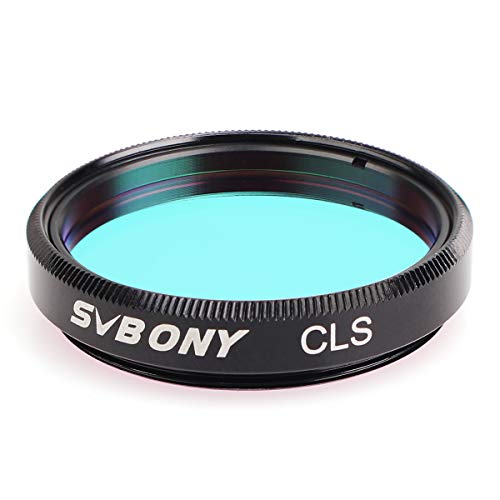 TOP CHOICEBest for eyepiece observingSVBONY Telescope Filters, CLS 1.25"View on Amazon
- 4
 Best budget pickWalking Way 49mm Natural Night FilterView on Amazon
- 5
 Best for neutral density controlIrix 95 mm Filter (ND 8)View on Amazon
- 6
 Best for infrared imagingTruColor Extreme IR 470View on Amazon
Our Top Picks
Quick Comparison
| Product | Best for | Key feature |
|---|---|---|
| Irix Edge Light Pollution Filter 67mm | General city night photography | Targeted light pollution blocking on a 67mm thread |
| K&F CONCEPT 72mm Natural Night Filter | Wide-field night photography | Multi-coated optical glass on a 72mm thread |
| SVBONY Telescope Filters, CLS 1.25″ | Visual deep-sky observing | 1.25-inch eyepiece-barrel format |
| Walking Way 49mm Natural Night Filter | Budget-minded night photography | Nano-coated optical glass on a 49mm thread |
| Irix 95 mm Filter (ND 8) | Long exposures and brightness control | Eight-stop neutral density reduction |
| TruColor Extreme IR 470 | Infrared and IR-converted cameras | 470nm infrared pass band on a 77mm thread |
Irix Edge Light Pollution Filter 67mm
Irix Edge Light Pollution Filter 67mm
Best for: Overall light pollution reduction on a 67mm lens for night-sky photography.
This suits photographers who shoot the Milky Way or deep-sky targets from suburban or urban locations and want a dedicated filter from a known lens-filter brand. It is a natural first choice when the search is specifically for this Irix model.
Key specs:
- 67mm filter thread
- Designed to suppress common artificial light wavelengths from sodium and mercury lamps
- Glass construction intended for sharp star rendering
Pros:
- Dedicated to light pollution rather than general-purpose use
- Well-established lens-filter brand
- Fits a common 67mm thread size
Cons:
- Only useful for night work, so it sits idle the rest of the time
- Requires you to own lenses with a 67mm thread
Bottom line: Pick this if you already have 67mm lenses and want a targeted light pollution filter from a brand known for lens accessories.
View on AmazonK&F CONCEPT 72mm Natural Night Filter
K&F CONCEPT 72mm Natural Night Filter Light Pollution Filter | Multi-Coated HD Optical Glass Anti-glare, for City Night Photography Sky Star Astrophotography Nano-X Series FE707
Best for: Wide-angle night photography on a 72mm lens.
Owners shooting sky landscapes with wide lenses often look for a 72mm option, since wide and zoom lenses commonly use this thread size. The Nano-X series name signals a multi-coated construction aimed at reducing glare.
Key specs:
- 72mm filter thread
- Multi-coated optical glass
- Designed for city night photography and star astrophotography
Pros:
- Fits a popular wide-lens thread size
- Multi-coating aimed at reducing flare and glare
- Targeted at night-sky use specifically
Cons:
- Only practical if your lenses share the 72mm thread
- Owners should expect a color cast to correct in post-processing
Bottom line: A strong pick for photographers with 72mm wide or standard lenses who want a night-sky filter with coated optics.
View on AmazonSVBONY Telescope Filters, CLS 1.25″
SVBONY Telescope Filters, CLS 1.25", Light Pollution Broadband Filter | 90% Transmission of Nebula Emission Lines,Reduces Light Pollution ,Suitable for Deep Sky Visual Astronomical Photography
Best for: Visual deep-sky observing through a telescope eyepiece.
This filter screws into the 1.25-inch barrel of an eyepiece or diagonal, which makes it a visual observer’s accessory rather than a camera filter. It is aimed at people who want nebulae to stand out against a light-polluted background.
Key specs:
- 1.25-inch format
- Broadband light pollution design targeting common city lighting
- Marketed for deep-sky visual and astrophotography use
Pros:
- Affordable path into light pollution filtering for telescopes
- Fits the most common eyepiece size
- Useful on nebulae and galaxies from moderately bright skies
Cons:
- Will not help with the Moon or bright planets, which look better unfiltered
- Cannot be used directly on a camera lens
Bottom line: Choose this for eyepiece-based deep-sky observing from a light-polluted yard or club site.
View on AmazonWalking Way 49mm Natural Night Filter
Walking Way 49mm Natural Night Filter for Light Pollution Reduction Nano-Coated Optical Glass for Night Sky/Astrophotography/Star Clarity Anti-Light Pollution Filter
Best for: Budget-minded night photography on a small-thread lens.
A 49mm filter is a sensible choice for compact or prime lenses. The listing emphasizes nano-coated optical glass, a feature buyers often weigh when comparing budget options.
Key specs:
- 49mm filter thread
- Nano-coated optical glass
- Designed for night sky and star clarity
Pros:
- Fits small-thread lenses that larger filters cannot
- Coated glass aimed at reducing reflections
- Budget-friendly category for a dedicated filter
Cons:
- 49mm is a niche size, so it fits fewer lenses
- Less brand-established than some competitors, which means fewer third-party reviews to compare
Bottom line: A reasonable pick if you own a 49mm lens and want to try light pollution filtering without a large outlay.
View on AmazonIrix 95 mm Filter (ND 8)
Irix 95 mm Filter (ND 8).
Best for: Long exposures and brightness control rather than light pollution removal.
This is a neutral density filter, not a light pollution filter. It cuts overall light by a known amount so you can make longer exposures in bright conditions, which matters for smooth water, dusk shots and motion effects. Include it here so you know where it differs from the other picks.
Key specs:
- 95mm filter size
- ND 8 rating, which reduces light by three stops
- Neutral density design without a color bias
Pros:
- Neutral color rendering across the frame
- Large 95mm size suits big-front-element lenses
- Useful for controlled long exposures
Cons:
- Does not target light pollution wavelengths, so it will not clear a sky
- Limited use for night-sky work specifically
Bottom line: Choose this for daytime long exposures or brightness control, not for darkening a light-polluted night sky.
View on AmazonTruColor Extreme IR 470
TruColor Extreme IR 470, Infrared Filter, 470nm IR Pass (77mm) | 470nm IR Pass for Full-Spectrum or IR-Converted Cameras, Pass Filter, Infrared Filter
Best for: Infrared photography and IR-converted cameras.
A 470nm infrared pass filter blocks visible light and passes infrared wavelengths. It is a specialist tool for photographers with full-spectrum or IR-converted cameras, not a general night-sky filter.
Key specs:
- 77mm filter thread
- 470nm infrared pass band
- Designed for full-spectrum and IR-converted camera bodies
Pros:
- Clear purpose for infrared work
- Fits a common 77mm thread
- Specific wavelength spec for predictable results
Cons:
- Blocks visible light, so it is unsuitable for standard night-sky photography
- Only useful if your camera is sensitive to infrared
Bottom line: Only buy this if you shoot infrared with a suitable camera; it is the wrong tool for light pollution.
View on AmazonBuying Guide
Light Pollution Band Coverage
Most artificial light comes from sodium and mercury lamps, plus broadband white LEDs. Light pollution filters work by blocking specific emission wavelengths while passing the glow of nebulae and stars. Broadband designs pass more light overall, which keeps images brighter, while narrowband designs block more light pollution but also cut more of the target’s signal. Check whether a filter is described as broadband or narrowband before buying.
Good picks for this: Irix Edge Light Pollution Filter 67mm, SVBONY Telescope Filters, CLS 1.25″
Thread Size and Fit
For camera filters, the thread diameter must match your lens exactly. Common sizes include 49mm, 67mm, 72mm and 77mm. Check the front-thread size printed on the lens barrel or in the manufacturer’s specifications. For telescopes, the relevant measurement is the barrel size, usually 1.25 inches or 2 inches, which must match your eyepiece or diagonal.
Good picks for this: K&F CONCEPT 72mm Natural Night Filter, Walking Way 49mm Natural Night Filter
Visual Versus Photographic Use
Visual observing and astrophotography place different demands on a filter. Visual filters go in the eyepiece barrel and reduce glare on the eye, while camera filters sit on the lens front. Photographers should also think about color cast and how much correction editing will require. Decide which mode you use most before you narrow the list.
Good picks for this: SVBONY Telescope Filters, CLS 1.25″, K&F CONCEPT 72mm Natural Night Filter
Optical Glass Quality and Coatings
Coatings affect flare, reflections and contrast. Multi-coated and nano-coated glass is commonly described as reducing unwanted reflections, which matters when bright city lights sit near your frame. Glass quality also affects star sharpness, so check whether the manufacturer names the glass type and coating process.
Good picks for this: Walking Way 49mm Natural Night Filter, K&F CONCEPT 72mm Natural Night Filter
Neutral Density Versus Light Pollution Filters
Neutral density filters reduce all light evenly and suit long exposures, while light pollution filters target specific wavelengths. Confusing the two is a common mistake: an ND filter will not clear a light-polluted sky, and a light pollution filter will not give you controlled brightness reduction. Match the filter type to the job.
Good picks for this: Irix 95 mm Filter (ND 8), Irix Edge Light Pollution Filter 67mm
Infrared and Specialist Filters
Infrared and specialist filters serve niche workflows. An infrared pass filter only works with cameras that are sensitive to infrared, so confirm your camera body before buying. Specialist filters often have narrow use cases, so they make sense only when that use case is part of your regular practice.
Good picks for this: TruColor Extreme IR 470
Durability and Care
Filters are exposed to dew, dust and cold, so check whether the mount or ring is metal or plastic and how the glass is sealed. Keep caps on when not in use, clean with a blower and a microfiber cloth, and avoid touching the glass. Dew can form on cold nights, so a lens heater or dew shield helps protect both the filter and the lens.
Good picks for this: Irix Edge Light Pollution Filter 67mm, K&F CONCEPT 72mm Natural Night Filter
FAQ
Does an irix edge light pollution SE filter work on the Moon?
Light pollution filters are designed for faint deep-sky targets, not the Moon. The Moon is bright enough that a light pollution filter adds little and can alter its color. Use a dedicated lunar filter or none at all for the Moon.
Can I use a light pollution filter on a camera lens and a telescope eyepiece?
Not always. Camera filters thread onto the lens front, while telescope filters usually fit a 1.25-inch or 2-inch eyepiece barrel. Check the format before buying, because a camera filter will not fit an eyepiece and vice versa.
Will a light pollution filter make the Milky Way visible from a city?
It can improve contrast and reveal some fainter structure, but a filter cannot remove all light pollution. Dark-sky sites remain the best option for the Milky Way. Filters work best as a partial improvement from moderately bright locations.
Do light pollution filters cause color casts in photos?
Many do, usually a magenta or green tint. Owners commonly correct this during editing with white balance adjustments. Shooting in RAW gives more room for color correction.
What is the difference between a broadband and a narrowband filter?
Broadband filters pass a wide range of wavelengths and keep images brighter, while narrowband filters isolate emission lines and block more light pollution but also dim the target. Broadband is often the better starting point for general use.
How do I know which thread size my lens needs?
Look for the filter thread diameter printed on the front of the lens barrel, usually in millimeters. Measure carefully, because adjacent sizes such as 67mm and 72mm look similar but do not fit each other.
Should I buy a neutral density filter for light pollution?
No. Neutral density filters reduce overall brightness evenly and do not target light pollution wavelengths. For clearing a bright sky, choose a dedicated light pollution filter instead.
Conclusion
For most camera owners who want a dedicated night-sky filter, the Irix Edge Light Pollution Filter 67mm is a sensible starting point if your lens uses that thread size. Wide-lens photographers with 72mm glass may prefer the K&F CONCEPT option, and owners of 49mm lenses can look at the Walking Way filter. Visual observers using eyepieces should consider the SVBONY 1.25-inch filter. The Irix ND 8 and TruColor IR 470 serve specialist needs and are not light pollution filters for the night sky. Match the filter type and thread or barrel size to your gear before you buy.
Sources
- Background on light pollution, sky brightness and the effects of artificial lighting on astronomical observing (nasa.gov)
- Information on dark-sky practices, outdoor lighting and how light pollution affects the night sky
- Resources from the American Astronomical Society on observing and astronomy education
Before you buy: helpful guides
Related reading
- Polarizer Filter Light Pollution vs Narrowband: Which Should You Choose?
- Optolong L Pro Light Pollution Filter (2026): Which Should You Choose?
About Audrey Hayes
Audrey Hayes is part of our editorial team and reviews and edits our telescopes & stargazing guides, checking product details against manufacturer specifications and owner feedback.
About the author
Audrey Hayes writes reviews and buying guides for Astronomy Site.