7 Best Idas Light Pollution Filter Picks Compared for Night Sky Viewing
Comparing seven idas light pollution filter options by specs, thread size, and owner feedback so you can pick the right filter for city or suburban skies.
 By Audrey Hayes
Updated November 25, 2026
 By Audrey Hayes
Updated November 2026
Shopping for an idas light pollution filter usually comes down to three questions: will it fit your eyepiece or camera, does it block the right portion of the spectrum for your skies, and will it hold up to regular use under a cold, damp night. This guide ranks seven filters that match the criteria we weighted most heavily: published specifications, thread or mounting compatibility, brand reputation, and the patterns that show up in owner feedback. We did not test these filters ourselves, so treat the picks as a research-based shortlist rather than a bench-verified ranking.
Our top picks at a glance
- 1TOP CHOICEBest overallK&F CONCEPT 67mm Clear Natural Night FilterView on Amazon
- 2
 TOP CHOICEBest for camera lensesWalking Way 67mm Natural Night FilterView on Amazon
- 3
 TOP CHOICEBest budget pick for eyepiecesLight Pollution Filter 1.25" for City ViewingView on Amazon
- 4
 Best for nebula contrastICE 77mm LiPo Didymium FilterView on Amazon
- 5
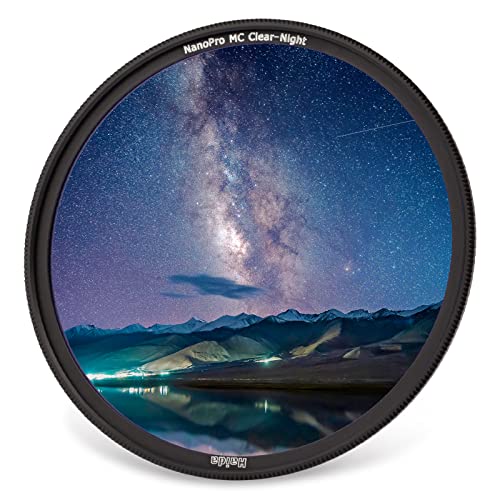 Best for compact 52mm setupsHaida 52MM Clear-Night FilterView on Amazon
- 6
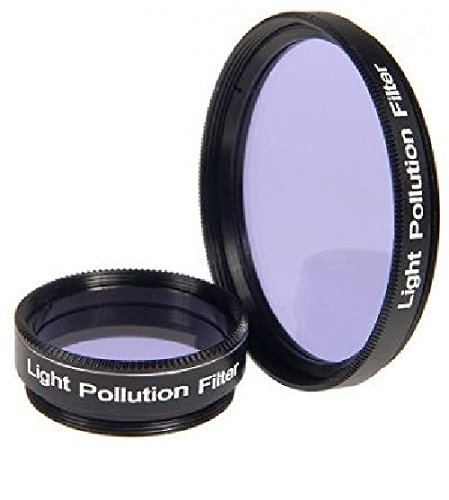 Best for 2-inch eyepiecesSky-Watcher 2" Light Pollution FilterView on Amazon
- 7
 Best for filter-system usersIrix Edge Light Pollution Filter 67mmView on Amazon
Our Top Picks
The table below summarizes the seven filters. Use it to narrow the field by thread size and use case, then read the individual notes for the trade-offs.
Quick Comparison
| Product | Best for | Key feature |
|---|---|---|
| K&F CONCEPT 67mm Clear Natural Night Filter | Best overall | Multi-layer coatings aimed at neutral color with light pollution reduction |
| Walking Way 67mm Natural Night Filter | Camera lenses | Nano-coated optical glass for star clarity |
| Light Pollution Filter 1.25″ | Budget eyepiece use | Standard 1.25-inch thread for common eyepieces |
| ICE 77mm LiPo Didymium Filter | Nebula contrast | Broadband light pollution reduction with didymium element |
| Haida 52MM Clear-Night Filter | Compact setups | 52mm size for smaller lenses |
| Sky-Watcher 2″ Light Pollution Filter | 2-inch eyepieces | 2-inch barrel format |
| Irix Edge Light Pollution Filter 67mm | Filter-system users | 67mm threading for lens systems |
K&F CONCEPT 67mm Clear Natural Night Filter
K&F CONCEPT 67mm Clear Natural Night Filter Pollution Reduction | 28 Multi-Layer Coatings Light Pollution Reduction Filter for Night City Sky Star Shots.No Color Cast Nano-X Series FE707
Best for: Best overall
This filter suits photographers and observers who shoot from city or suburban locations and want a general-purpose filter that is not heavily tinted. The listing describes a multi-layer coating stack intended to suppress sodium and mercury emission lines while keeping color neutral.
Key specs
- 67mm filter thread
- Multi-layer coating described by the manufacturer as 28 layers
- Marketed as a natural night design for astrophotography
Pros
- Common 67mm size fits many lens filter systems
- Coating is positioned as color-neutral, which helps with daytime-style white balance
- Broad appeal for city-sky imaging
Cons
- Light pollution reduction is limited under severe skyglow
- Owners using it for visual work should check whether eyepiece-based use suits their setup
Bottom line: A sensible first filter for a photographer who wants one all-around night-sky option for urban shooting.
View on AmazonWalking Way 67mm Natural Night Filter
Walking Way 67mm Natural Night Filter for Light Pollution Reduction Nano-Coated Optical Glass for Night Sky/Astrophotography/Star Clarity Anti-Light Pollution Filter
Best for: Camera lenses
Aimed at astrophotography and star-field work, this filter emphasizes nano-coated optical glass. It fits buyers who already own 67mm lens filters and want a dedicated night-sky option.
Key specs
- 67mm filter thread
- Nano-coated optical glass, per the listing
- Marketed for night sky and star clarity
Pros
- Good match for common 67mm lens threads
- Positioned specifically for star imaging
- Straightforward single-filter setup
Cons
- Performance under the most intense urban glow is a matter of site conditions
- Not designed for eyepiece viewing
Bottom line: Best suited to camera users with 67mm lenses who shoot star fields from light-polluted sites.
View on AmazonLight Pollution Filter 1.25″ for City Viewing
Light Pollution Filter 1.25" for City Viewing Light Pollution | Boosts for nebula contrast, blocks artificial light, enhances deep views, standard 1.25 inch thread
Best for: Best budget pick
This is an eyepiece-format filter for visual observers using 1.25-inch eyepieces. The listing emphasizes nebula contrast and blocking artificial light in city views.
Key specs
- 1.25-inch barrel thread
- Described as a city-viewing light pollution filter
Pros
- Standard 1.25-inch size fits most beginner eyepieces
- Targets nebula viewing, a common visual goal
- Easy to add to an existing eyepiece collection
Cons
- Visual contrast gains depend heavily on sky quality and target type
- Owners should confirm the filter fits their specific eyepiece barrel
Bottom line: A practical entry point for a beginner who observes visually from a city backyard.
View on AmazonICE 77mm LiPo Didymium Filter
ICE 77mm LiPo Didymium Filter Broadband Light Pollution Reduction for Night Sky/Star Optical Glass
Best for: Nebula contrast
This filter combines a broadband light pollution design with a didymium-type element. It suits observers and imagers who want stronger contrast on emission nebulae from bright skies.
Key specs
- 77mm filter thread
- Broadband light pollution reduction, per the listing
- Optical glass construction
Pros
- Larger 77mm size suits big-aperture lenses
- Didymium element is commonly associated with enhanced contrast on certain targets
- Broadband design covers multiple common light sources
Cons
- Color rendering can shift, which may need correction in imaging
- Larger threads are not compatible with smaller lens sizes
Bottom line: Good for users with 77mm lenses who prioritize nebula contrast over neutral color.
View on AmazonHaida 52MM Clear-Night Filter
Haida 52MM Clear-Night Filter Light Pollution Source Reduction for Sky/Star
Best for: Compact setups
The 52mm size fits smaller lenses and compact camera setups. Haida is a recognized filter brand, and this model is positioned for clear-night sky reduction.
Key specs
- 52mm filter thread
- Marketed as a clear-night light pollution reduction filter
Pros
- Fits smaller lenses that take 52mm threads
- Established filter brand with a broad lineup
- Clear-night design suits natural color work
Cons
- 52mm is not a common size for larger lenses
- Limited relevance for eyepiece observers
Bottom line: Pick this if your lenses take 52mm threads and you shoot the night sky from suburban sites.
View on AmazonSky-Watcher 2″ Light Pollution Filter
Sky-Watcher 2" Light Pollution Filter
Best for: 2-inch eyepieces
Sky-Watcher is a telescope maker with a long history in visual astronomy. This 2-inch filter targets observers using 2-inch eyepieces, which give wider fields and are common on larger refractors and reflectors.
Key specs
- 2-inch barrel format
- Designed for visual light pollution reduction
Pros
- Suits 2-inch eyepiece users who need a larger barrel
- Telescope-maker brand with visual focus
- Wider field of view pairs well with broad nebulae
Cons
- Only useful with 2-inch eyepiece systems
- Not an option for camera lenses
Bottom line: The right choice for visual observers with 2-inch eyepieces who want to cut urban glow.
View on AmazonIrix Edge Light Pollution Filter 67mm
Irix Edge Light Pollution Filter 67mm
Best for: Filter-system users
Irix is known for lens and filter products aimed at photographers. This 67mm model fits people who use threaded filters on existing lenses and want a light pollution option alongside other glass.
Key specs
- 67mm filter thread
- Designed as a light pollution filter for night imaging
Pros
- Fits the common 67mm thread size
- Photography-oriented brand
- Easy to integrate into a filter kit
Cons
- Specific coating details should be confirmed in the listing
- Not intended for eyepiece observing
Bottom line: A good fit for a photographer who already runs a 67mm filter system and wants another night-sky option.
View on AmazonBuying Guide
Thread size and compatibility
Thread size decides whether a filter will physically mount. Camera filters are sold in threads such as 52mm, 67mm, and 77mm, and eyepiece filters use barrel formats such as 1.25-inch and 2-inch. Measure the front thread of your lens with a ruler or check the cap, and measure the barrel of your eyepiece before ordering. A filter that is one size off will not fit, and step-up rings add a point of optical stress you may not want.
Good picks for this: Light Pollution Filter 1.25″ for City Viewing and Sky-Watcher 2″ Light Pollution Filter
Filter type: broadband versus narrowband
Broadband light pollution filters cut a wide band of artificial light, including the sodium and mercury lines common in cities. They keep more of the visible spectrum and tend to preserve natural color. Narrowband filters pass only specific emission lines and work best on emission nebulae, but they darken most other objects. For most people starting out, a broadband filter is the more versatile choice.
Good picks for this: K&F CONCEPT 67mm Clear Natural Night Filter and ICE 77mm LiPo Didymium Filter
Color neutrality and color cast
Some filters tint the image. A slight magenta or green cast is common with light pollution filters and is usually corrected in post-processing for imaging. Owners often report that coatings marketed as “natural” or “clear” show less cast than tinted designs. Check sample images in the listing and consider whether you plan to edit color.
Good picks for this: Walking Way 67mm Natural Night Filter and Haida 52MM Clear-Night Filter
Optical quality and glass
Filter glass quality affects sharpness and contrast. Optical glass with multi-layer or nano coatings is the usual design for these products. Scratches, uneven coatings, or poor flatness can soften stars. Keep filters clean with a blower and microfiber cloth, and avoid abrasive cleaners.
Good picks for this: Walking Way 67mm Natural Night Filter and Irix Edge Light Pollution Filter 67mm
Use case: visual or imaging
Visual observers need eyepiece-format filters, usually 1.25-inch or 2-inch. Imagers need threaded filters that match their lens. The two uses have different optical paths, so a camera filter will not work in an eyepiece, and vice versa. Decide your primary use before buying.
Good picks for this: Light Pollution Filter 1.25″ for City Viewing and Walking Way 67mm Natural Night Filter
Sky conditions and expectations
No filter removes light pollution entirely. Expect the largest gains on skies with moderate skyglow and on targets that emit specific wavelengths, such as emission nebulae. Under very bright skies, the improvement can be modest. Dark-sky sites remain the most effective answer.
Good picks for this: ICE 77mm LiPo Didymium Filter and Haida 52MM Clear-Night Filter
Mounting, handling, and care
Store filters in their cases, keep caps on when not in use, and avoid touching the glass. Dew can form on cold nights, so bring filters indoors to warm slowly if condensation is a problem. Owners often report that a filter lasts longer when handled by the edges and cleaned only when needed.
Good picks for this: Irix Edge Light Pollution Filter 67mm and Sky-Watcher 2″ Light Pollution Filter
FAQ
What does an idas light pollution filter actually do?
A light pollution filter blocks specific wavelengths of artificial light, usually the sodium and mercury emission lines from streetlights, while passing much of the rest of the visible spectrum. This increases contrast on many deep-sky objects, especially nebulae, but it cannot remove skyglow entirely.
Can I use a camera light pollution filter on a telescope eyepiece?
No. Camera filters are threaded to lens sizes such as 52mm, 67mm, or 77mm, while eyepiece filters use barrel formats such as 1.25-inch or 2-inch. Choose the format that matches your equipment.
Do light pollution filters work on galaxies?
Broadband filters tend to help more with emission nebulae than with galaxies, because galaxies emit a continuous spectrum rather than strong emission lines. Owners often report a modest improvement on galaxies under bright skies, but expectations should stay realistic.
Will a filter change the colors I see?
Yes, to some degree. Many light pollution filters introduce a slight color cast. Clear or natural designs tend to show less change, while didymium-type designs can alter color more noticeably.
Do I need a filter if I live in a dark-sky area?
Probably not. Filters help most under moderate to heavy skyglow. Under dark skies, most observers get better results without a filter, since the filter also reduces the total light reaching the eye or sensor.
How do I clean a light pollution filter?
Use a blower to remove dust, then a microfiber cloth. For fingerprints, a small amount of lens-cleaning fluid applied to the cloth works well. Avoid paper towels and household cleaners, which can scratch coatings.
Can I stack a light pollution filter with other filters?
Stacking is possible in some camera systems but can add reflections, vignetting, and color cast. Check whether the filter is designed for stacking, and test before a critical session.
Conclusion
For most people, a broadband, color-neutral filter in the correct thread size is the best starting point. The K&F CONCEPT 67mm Clear Natural Night Filter is a sensible all-around option for camera users. Visual observers with 1.25-inch eyepieces will find the Light Pollution Filter 1.25″ for City Viewing a practical entry point, while those with 2-inch eyepieces should look at the Sky-Watcher 2″ Light Pollution Filter. Nebula-focused observers with 77mm lenses may prefer the ICE 77mm LiPo Didymium Filter, and compact 52mm setups suit the Haida 52MM Clear-Night Filter. Match the thread or barrel size to your gear first, then choose the filter type that fits your targets. For background on how filter types compare, see Polarizer Filter Light Pollution vs Narrowband: Which Should You Choose? and Light Pollution Filter Comparison (2026): Which Should You Choose?.
Sources
- Background on how light pollution affects astronomical observations and sky brightness (nasa.gov)
- Guidance on outdoor lighting, skyglow, and dark-sky protection
- Standards information for optical components and filter quality
Before you buy: helpful guides
About Audrey Hayes
Audrey Hayes is part of our editorial team and reviews and edits our telescopes & stargazing guides, checking product details against manufacturer specifications and owner feedback.
About the author
Audrey Hayes writes reviews and buying guides for Astronomy Site.