Gosky Light Pollution Filter: 7 Best Picks Compared for Urban Stargazing
Comparing 7 light pollution filters for city telescopes and cameras. See which gosky light pollution filter style fits your scope, eyepiece and sky.
 By Audrey Hayes
Updated November 24, 2026
 By Audrey Hayes
Updated November 2026
Shoppers searching for a gosky light pollution filter usually want one thing: a way to pull faint nebulae and galaxies out of a washed-out city sky. This list compares seven light pollution reduction filters that fit the same general need. The selection criteria were thread size and eyepiece compatibility, the filter’s stated passband and coating approach, whether it works for visual or camera use, brand reputation and the patterns owners tend to mention in feedback. Nothing here comes from personal testing; the notes reflect manufacturer specifications and commonly reported owner experiences.
Our top picks at a glance
- 1TOP CHOICEBest overallK&F CONCEPT 67mm Clear Natural Night Filter Pollution ReductionView on Amazon
- 2
 TOP CHOICEBest for camera lensesWalking Way 67mm Natural Night Filter for Light Pollution ReductionView on Amazon
- 3
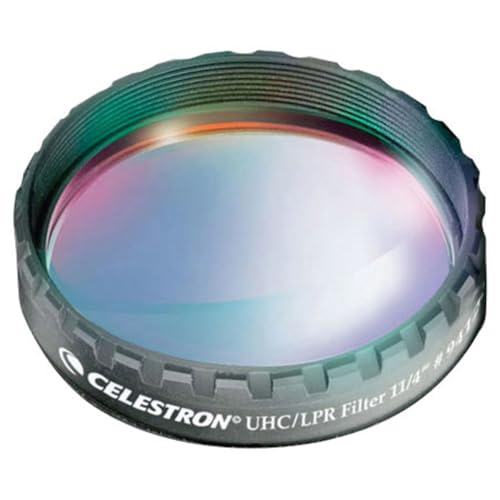 TOP CHOICEBest for standard eyepiece setupsCelestron UHC/LPR Light Pollution Reduction Filter for Telescopes – 1.25"View on Amazon
- 4
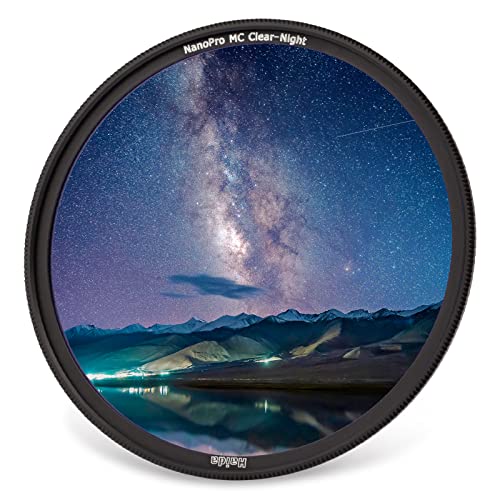 Best for larger filter threadsHaida 52MM Clear-Night Filter Light Pollution Source ReductionView on Amazon
- 5
 Best budget pickLight Pollution Filter 1.25" for City Viewing Light PollutionView on Amazon
- 6
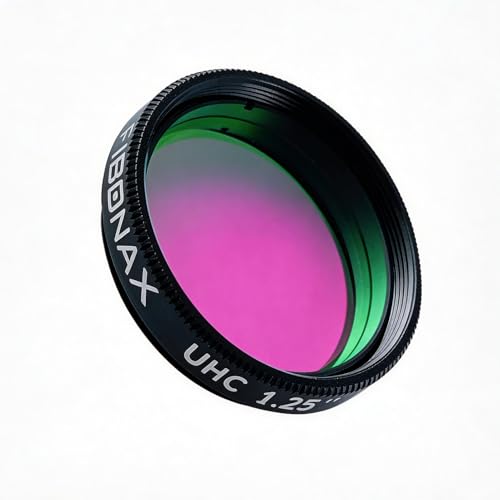 Best for nebula and Moon detailFIBONAX 1.25 Inch UHC Filter for TelescopesView on Amazon
- 7
 Best for action camera and vloggingK&F CONCEPT Magnetic Light Pollution Reduction Filter For OSMO Pocket 4PView on Amazon
Our Top Picks
Quick Comparison
| Product | Best for | Key feature |
|---|---|---|
| K&F CONCEPT 67mm Clear Natural Night Filter | Overall city astrophotography | Multi-layer coatings for star shots |
| Walking Way 67mm Natural Night Filter | Lens-based night sky photos | Nano-coated optical glass |
| Celestron UHC/LPR Light Pollution Reduction Filter | Visual observing with 1.25″ eyepieces | Enhanced nebula contrast |
| Haida 52MM Clear-Night Filter | Lenses with 52mm threads | Light source reduction for sky and stars |
| Light Pollution Filter 1.25″ for City Viewing | Budget-minded visual observers | Standard 1.25 inch thread |
| FIBONAX 1.25 Inch UHC Filter | Nebula and lunar detail | Ultra high contrast design |
| K&F CONCEPT Magnetic Light Pollution Reduction Filter For OSMO Pocket 4P | Action camera night clips | Magnetic base and waterproof build |
K&F CONCEPT 67mm Clear Natural Night Filter Pollution Reduction
K&F CONCEPT 67mm Clear Natural Night Filter Pollution Reduction | 28 Multi-Layer Coatings Light Pollution Reduction Filter for Night City Sky Star Shots.No Color Cast Nano-X Series FE707
Best for: Overall city astrophotography
This is a screw-in lens filter aimed at photographers who shoot the night sky from urban locations and want to keep star colors natural. It suits people who already own a 67mm lens and want a dedicated night sky tool rather than a general-purpose filter.
Key specs
- 67mm thread size
- Listed as a multi-layer coated design (28 layers per the listing)
- Marketed for light pollution reduction with no color cast
Pros
- Designed specifically for night sky work rather than daytime use
- Multi-layer coating is intended to reduce ghosting and flare
- Thread size matches many common lenses
Cons
- Only useful if your lens uses a 67mm thread or an adapter
- Filter effects are subtle in heavily lit skies
Bottom line: A sensible first choice for photographers with a 67mm lens who shoot from light-polluted sites.
View on AmazonWalking Way 67mm Natural Night Filter for Light Pollution Reduction
Walking Way 67mm Natural Night Filter for Light Pollution Reduction Nano-Coated Optical Glass for Night Sky/Astrophotography/Star Clarity Anti-Light Pollution Filter
Best for: Lens-based night sky photos
This filter targets the same 67mm lens audience with a nano-coated optical glass design. It fits photographers comparing several night sky filters who want a second option at the same thread size.
Key specs
- 67mm thread size
- Nano-coated optical glass, per the listing
- Marketed for night sky and star clarity
Pros
- Same thread size as many popular lenses
- Nano coating is aimed at reducing unwanted reflections
- Positioned clearly for astrophotography use
Cons
- Specific transmission figures are not clearly stated in the listing name
- Requires a 67mm lens or step-up ring
Bottom line: A good match for photographers who want a nano-coated alternative to other 67mm night filters.
View on AmazonCelestron UHC/LPR Light Pollution Reduction Filter for Telescopes – 1.25″
Celestron UHC/LPR Light Pollution Reduction Filter for Telescopes – 1.25" | Light Pollution Reduction, Enhanced Nebula Contrast, Darker Sky Background, High Transmission Optical Coating, For Visual Us
Best for: Visual observing with 1.25″ eyepieces
This is an eyepiece-mounted filter for visual observers using a telescope with 1.25-inch barrels. It suits people who spend most of their time at the eyepiece on deep-sky targets from suburban or city sites.
Key specs
- 1.25-inch barrel format
- Combines UHC and light pollution reduction design, per the listing
- Marketed for enhanced nebula contrast and darker sky background
Pros
- Fits the most common eyepiece barrel size
- Designed for visual use rather than camera work
- Known brand with a long record in telescope accessories
Cons
- Color and contrast changes are noticeable, so dark-adapted eyes are needed
- Does not help with daytime or solar observing
Bottom line: A dependable pick for visual observers who want a light pollution filter that drops straight into a standard eyepiece.
View on AmazonHaida 52MM Clear-Night Filter Light Pollution Source Reduction
Haida 52MM Clear-Night Filter Light Pollution Source Reduction for Sky/Star
Best for: Lenses with 52mm threads
This filter is for camera owners whose lenses use a 52mm front thread. It targets photographers who want a light-source reduction filter from a brand known for camera filters.
Key specs
- 52mm thread size
- Marketed as a clear-night filter for light source reduction
Pros
- Haida is a recognized name in photographic filters
- Smaller thread suits many older and compact lenses
- Clear design aimed at keeping sky colors realistic
Cons
- Only fits lenses with a 52mm thread or an adapter
- Detailed transmission data is not stated in the listing name
Bottom line: The right choice for photographers whose lens is specifically a 52mm model.
View on AmazonLight Pollution Filter 1.25″ for City Viewing Light Pollution
Light Pollution Filter 1.25" for City Viewing Light Pollution | Boosts for nebula contrast, blocks artificial light, enhances deep views, standard 1.25 inch thread
Best for: Budget-minded visual observers
This is a basic eyepiece-format filter for beginners who want to see whether a light pollution filter is worth owning before spending more. It is aimed at observers using a standard 1.25-inch telescope.
Key specs
- 1.25-inch standard thread
- Marketed to boost nebula contrast and block artificial light
Pros
- Straightforward fit for common eyepiece setups
- Budget-friendly option within this group
- Simple design that is easy to swap in and out
Cons
- Less brand-specific documentation than established names
- Performance details are limited in the listing
Bottom line: A reasonable entry point for beginners on a tight plan who want to try a light pollution filter visually.
View on AmazonFIBONAX 1.25 Inch UHC Filter for Telescopes
FIBONAX 1.25 Inch UHC Filter for Telescopes | Ultra High Contrast, Light Pollution Reduction, M28.5×0.6 Threads, Enhances Nebula & Moon Details
Best for: Nebula and lunar detail
This ultra high contrast filter is aimed at visual observers who want to emphasize emission nebulae and lunar surface detail. It suits people who observe from moderately light-polluted skies and use a 1.25-inch eyepiece.
Key specs
- 1.25-inch format
- M28.5 x 0.6 threads, per the listing
- Ultra high contrast design marketed for nebula and Moon detail
Pros
- UHC design is widely used for emission nebulae
- Clearly stated thread specification
- Also marketed for lunar detail, adding versatility
Cons
- UHC filters dim stars and galaxies more than some broadband options
- Thread spec means checking your eyepiece or adapter compatibility
Bottom line: A good choice for observers who mainly chase nebulae and want a filter that also works on the Moon.
View on AmazonK&F CONCEPT Magnetic Light Pollution Reduction Filter For OSMO Pocket 4P
K&F CONCEPT Magnetic Light Pollution Reduction Filter For OSMO Pocket 4P | Magnetic Base, LP Filter, Multi-Layer Coating, High Definition, Anti-Reflective & Waterproof, Ideal for Vlogging FD173
Best for: Action camera night clips
This filter is built for the OSMO Pocket 4P handheld camera rather than telescopes. It suits vloggers and night-clip shooters who want to reduce light pollution without changing their camera setup.
Key specs
- Magnetic base design, per the listing
- Multi-layer coating and anti-reflective treatment
- Listed as waterproof
Pros
- Magnetic mounting makes swapping quick
- Multi-layer coating aimed at high definition output
- Waterproof build suits outdoor night shoots
Cons
- Only compatible with the specified camera model
- Not suitable for telescope or eyepiece use
Bottom line: The right pick for OSMO Pocket 4P owners who want a light pollution filter for night video.
View on AmazonBuying Guide
Thread size and camera or eyepiece fit
Check the filter’s thread before anything else. Lens filters come in threads such as 52mm and 67mm, and eyepiece filters usually use 1.25-inch or 2-inch barrels. An adapter ring can bridge small gaps, but it adds a loose point and can cause vignetting on wide lenses.
Good picks for this: Celestron UHC/LPR Light Pollution Reduction Filter, K&F CONCEPT 67mm Clear Natural Night Filter
Visual versus imaging use
Visual filters are designed to change how the eye sees contrast through an eyepiece. Imaging filters are designed to affect a sensor’s exposure and color. A filter that looks good in an eyepiece is not automatically the right choice for a camera, so match the filter to how you observe.
Good picks for this: Walking Way 67mm Natural Night Filter, Celestron UHC/LPR Light Pollution Reduction Filter
Filter type: broadband versus UHC
Broadband light pollution filters block a range of artificial wavelengths while passing most of the rest. UHC (ultra high contrast) filters target specific emission lines, which tends to help emission nebulae more than galaxies. Choose based on your main targets.
Good picks for this: FIBONAX 1.25 Inch UHC Filter, Light Pollution Filter 1.25″ for City Viewing
Coatings and optical quality
Multi-layer and nano coatings are meant to reduce reflections and ghosting, which matters most when a bright light sits near the frame. Owners generally note that coated glass with clean surfaces gives more consistent results than uncoated options. Keep the filter clean and avoid touching the glass.
Good picks for this: K&F CONCEPT 67mm Clear Natural Night Filter, Haida 52MM Clear-Night Filter
Sky brightness and location
Filters help most at moderately light-polluted sites. Under a severely lit city sky, the gain is limited, and a dark-sky trip is still the bigger upgrade. Judge your site with a sky-quality reading or a simple star count before deciding how much filter you need.
Good picks for this: Light Pollution Filter 1.25″ for City Viewing, FIBONAX 1.25 Inch UHC Filter
Mounting and portability
Magnetic and screw-in mounts behave differently in the field. Magnetic bases allow quick swaps, while threaded filters stay put more firmly. For handheld or action cameras, a magnetic design is convenient, but confirm it fits your specific camera body.
Good picks for this: K&F CONCEPT Magnetic Light Pollution Reduction Filter For OSMO Pocket 4P
Care and durability
Store filters in a padded case, keep caps on when not in use, and clean the glass with a lens brush and microfiber cloth. Avoid harsh solvents. Coated surfaces can be damaged by abrasive cleaning, so follow the manufacturer’s care instructions.
Good picks for this: Walking Way 67mm Natural Night Filter, Haida 52MM Clear-Night Filter
FAQ
What is a light pollution filter?
A light pollution filter is an optical filter that blocks some wavelengths of artificial light, such as sodium and mercury streetlight emissions, while passing more of the light from astronomical objects. It can improve contrast in suburban and urban skies but cannot remove all glow.
Does a gosky light pollution filter work for both telescopes and cameras?
Filters are sold for specific formats. Eyepiece filters fit 1.25-inch or 2-inch barrels, while lens filters use threaded sizes such as 52mm or 67mm. Check the thread and format before buying, since a filter for one format will not fit the other without an adapter.
Will a light pollution filter work from a dark site?
Filters offer little benefit under truly dark skies, because there is less artificial light to block. At dark sites, a filter can sometimes dim faint targets slightly, so many observers remove it there.
Can I use a light pollution filter for solar viewing?
No. Light pollution filters are not designed for solar observation and do not provide the protection needed to view the Sun safely. Solar viewing requires certified solar filters used according to the manufacturer’s instructions.
Do light pollution filters change star colors?
Some filters can shift colors slightly, which is why many night sky filters are marketed as producing a natural color balance. Owners often report that color shifts are most noticeable in heavily lit skies, so test a filter on a known target before relying on it.
How do I clean a light pollution filter?
Use a blower to remove dust, then a soft lens brush or microfiber cloth. For smudges, use a small amount of lens cleaning solution applied to the cloth, not the glass. Avoid household cleaners and rough paper towels.
Should beginners buy a light pollution filter?
Beginners in moderately light-polluted areas often benefit most, especially for nebula viewing. Start with a standard 1.25-inch eyepiece filter, observe a few known targets with and without it, and decide whether the gain justifies the setup.
Conclusion
For most visual observers with 1.25-inch eyepieces, the Celestron UHC/LPR filter and the FIBONAX UHC filter are sensible starting points, with FIBONAX leaning toward nebulae and Moon detail. For lens-based astrophotography, the K&F CONCEPT 67mm and Walking Way 67mm filters match a common thread size, while the Haida 52MM suits lenses with that thread. The budget eyepiece filter helps beginners test the idea, and the magnetic K&F model fits the OSMO Pocket 4P camera. Match the filter to your format, your site’s sky brightness and your main targets, and check thread compatibility before ordering.
Sources
- Background on light pollution, its sources and its effects on observing and the night sky (nasa.gov)
- Information on outdoor lighting, sky quality and how artificial light affects astronomical viewing
- Resources from the American Astronomical Society on observing practice and dark-sky awareness
Before you buy: helpful guides
Related reading
- Polarizer Filter Light Pollution vs Narrowband: Which Should You Choose?
- Optolong L Pro Light Pollution Filter (2026): Which Should You Choose?
- Light Pollution Filter Comparison (2026): Which Should You Choose?
- 7 Best Light Pollution Filters for Astrophotography Picks in 2026
- 6 Best 77mm Light Pollution Filter Picks Compared for Night Sky Viewing
About Audrey Hayes
Audrey Hayes is part of our editorial team and reviews and edits our telescopes & stargazing guides, checking product details against manufacturer specifications and owner feedback.
About the author
Audrey Hayes writes reviews and buying guides for Astronomy Site.