Astronomik Light Pollution Filter Picks: 7 Best Compared for 2026
Compare seven light pollution filters for telescopes and astrophotography. See which picks suit deep-sky visual observing, city skies and camera setups.
 By Audrey Hayes
Updated November 24, 2026
 By Audrey Hayes
Updated November 2026
Shopping for an astronomik light pollution filter usually starts with one problem: a city or suburban sky that washes out faint nebulae and galaxies. The right filter blocks the sodium and mercury emission lines from street lighting while passing the light from deep-sky objects, so the background darkens and targets stand out. This list is built from manufacturer specifications, brand reputation and the patterns owners tend to describe in their feedback. Each pick is judged on filter type (broadband, nebula or natural night), thread size and eyepiece or camera fit, optical coating quality, and how well it suits either visual observing or astrophotography.
Our top picks at a glance
- 1TOP CHOICEBest overallWalking Way 67mm Natural Night Filter for Light Pollution ReductionView on Amazon
- 2
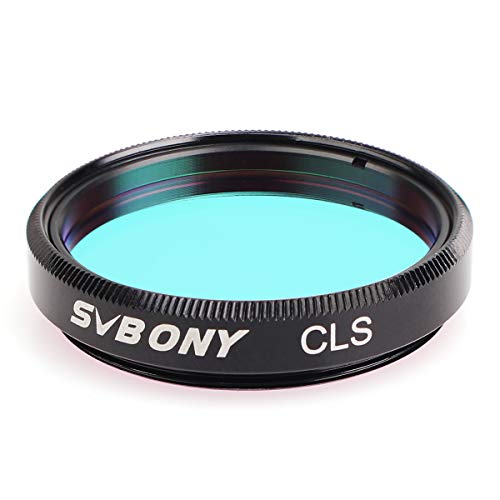 TOP CHOICEBest for visual deep-sky workSVBONY Telescope Filters CLS 1.25" Light Pollution Broadband FilterView on Amazon
- 3
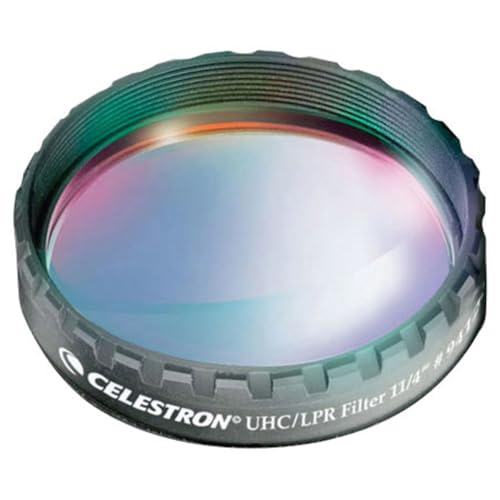 TOP CHOICEBest for nebula contrastCelestron UHC/LPR Light Pollution Reduction Filter for Telescopes 1.25"View on Amazon
- 4Best for larger camera lensesWalking Way 77mm Natural Night Filter for Light Pollution ReductionView on Amazon
- 5
 Best budget pickK&F CONCEPT 67mm Clear Natural Night Filter Pollution ReductionView on Amazon
- 6
 Best for didymium-style broadband workICE 77mm LiPo Didymium Filter Broadband Light Pollution ReductionView on Amazon
- 7Best compact optionWalking Way 49mm Natural Night Filter for Light Pollution ReductionView on Amazon
Our Top Picks
| Product | Best for | Key feature |
|---|---|---|
| Walking Way 67mm Natural Night Filter | Mixed visual and camera use | Nano-coated optical glass in a 67mm size |
| SVBONY CLS 1.25″ Broadband Filter | Visual deep-sky observing | Broadband design for 1.25″ eyepiece use |
| Celestron UHC/LPR 1.25″ Filter | Nebula contrast at the eyepiece | Ultra-high-contrast coating for emission nebulae |
| Walking Way 77mm Natural Night Filter | Larger camera lenses | 77mm thread for wide-format optics |
| K&F CONCEPT 67mm Clear Natural Night Filter | Budget-conscious buyers | Multi-layer coatings for reduced color cast |
| ICE 77mm LiPo Didymium Filter | Broadband light pollution reduction | Didymium-style optical glass for sky background |
| Walking Way 49mm Natural Night Filter | Small lenses and compact setups | Compact 49mm thread for small cameras |
Walking Way 67mm Natural Night Filter for Light Pollution Reduction
Walking Way 67mm Natural Night Filter for Light Pollution Reduction Nano-Coated Optical Glass for Night Sky/Astrophotography/Star Clarity Anti-Light Pollution Filter
Best for: Mixed visual and camera use from light-polluted sites
This is a good fit for observers and astrophotographers who want one filter for camera lenses and telescope adapters in the 67mm range. It targets the common urban sky glow without a strong color shift.
Key specs
- 67mm filter thread
- Nano-coated optical glass
- Designed for night sky and astrophotography
Pros
- Clean, neutral sky background for general use
- Practical size for many camera lenses
- Coating is aimed at reducing glare and reflections
Cons
- Not a narrowband filter, so it will not isolate emission lines as sharply
- Thread size must match your lens exactly
Bottom line: A strong all-around choice if you want one natural-night filter for camera and lens work.
View on AmazonSVBONY Telescope Filters CLS 1.25″ Light Pollution Broadband Filter
SVBONY Telescope Filters, CLS 1.25", Light Pollution Broadband Filter | 90% Transmission of Nebula Emission Lines,Reduces Light Pollution ,Suitable for Deep Sky Visual Astronomical Photography
Best for: Visual deep-sky observing through 1.25″ eyepieces
Visual observers with a standard 1.25″ focuser and suburban skies will find this filter the most direct option. It is built for eyepiece viewing of nebulae and galaxies.
Key specs
- 1.25″ filter size
- Broadband light pollution design
- Suitable for deep-sky visual and astrophotography
Pros
- Fits standard 1.25″ eyepiece and diagonal setups
- Broadband action helps across many sky conditions
- Useful for both eyepiece and simple camera use
Cons
- Broadband filters trade some brightness for background darkening
- Less effective on very bright urban skies than a narrowband design
Bottom line: Best suited to visual observers with 1.25″ equipment who want general light pollution relief.
View on AmazonCelestron UHC/LPR Light Pollution Reduction Filter for Telescopes 1.25″
Celestron UHC/LPR Light Pollution Reduction Filter for Telescopes – 1.25" | Light Pollution Reduction, Enhanced Nebula Contrast, Darker Sky Background, High Transmission Optical Coating, For Visual Us
Best for: Nebula contrast at the eyepiece
Visual observers chasing emission nebulae such as the Orion Nebula will appreciate this filter. It is designed to boost contrast on targets that glow in specific wavelengths.
Key specs
- 1.25″ filter size
- Ultra-high-contrast (UHC) and light pollution reduction design
- High transmission optical coating
Pros
- Strong contrast boost on emission nebulae
- Well-known brand with broad availability
- Darkens the sky background noticeably under suburban skies
Cons
- Filters out some light from galaxies and star clusters
- Not intended for most broadband astrophotography
Bottom line: The go-to pick for visual nebula hunters under light-polluted skies.
View on AmazonWalking Way 77mm Natural Night Filter for Light Pollution Reduction
Walking Way 77mm Natural Night Filter for Light Pollution Reduction Nano-Coated Optical Glass for Night Sky/Astrophotography/Star Clarity Anti-Light Pollution Filter
Best for: Larger camera lenses
Astrophotographers using wide-format or larger-diameter lenses need a filter that fits the thread. This 77mm version covers that range while keeping the same natural-night design as its smaller sibling.
Key specs
- 77mm filter thread
- Nano-coated optical glass
- Designed for night sky photography
Pros
- Fits larger lens threads common in astrophotography
- Same natural-night approach as the smaller models
- Coating aimed at reducing flare and ghosting
Cons
- Only useful if your lens actually uses a 77mm thread
- Broadband action is less dramatic than narrowband filters
Bottom line: A good match for photographers with 77mm lenses who want consistent sky darkening.
View on AmazonK&F CONCEPT 67mm Clear Natural Night Filter Pollution Reduction
K&F CONCEPT 67mm Clear Natural Night Filter Pollution Reduction | 28 Multi-Layer Coatings Light Pollution Reduction Filter for Night City Sky Star Shots.No Color Cast Nano-X Series FE707
Best for: Budget-conscious buyers who want a natural-night filter
Beginners testing whether a light pollution filter helps their sky will find this a practical starting point. It focuses on reducing color cast while darkening the background.
Key specs
- 67mm filter thread
- Multi-layer coatings (listed as 28-layer design)
- Nano-X series naming
Pros
- Multi-layer coating is aimed at neutral color
- Good value entry point for natural-night filtering
- Common thread size for many camera lenses
Cons
- Broadband design gives moderate rather than dramatic results on heavy light pollution
- Build quality is generally described as functional rather than premium
Bottom line: A sensible first filter for beginners who want to see whether light pollution filtering suits their skies.
View on AmazonICE 77mm LiPo Didymium Filter Broadband Light Pollution Reduction
ICE 77mm LiPo Didymium Filter Broadband Light Pollution Reduction for Night Sky/Star Optical Glass
Best for: Broadband light pollution reduction with didymium-style glass
Observers and imagers who want the sky background pulled down without a heavy green or magenta tint may prefer a didymium-style filter. This 77mm model is aimed at that broadband role.
Key specs
- 77mm filter thread
- LiPo (light pollution) didymium-style optical glass
- Designed for night sky and star work
Pros
- Broadband approach suits varied sky conditions
- Larger 77mm thread fits many lens setups
- Glass construction is aimed at clarity over plastic alternatives
Cons
- Didymium-style filters can shift color more than natural-night designs
- Exact spectral behavior varies by sky and camera sensor
Bottom line: Suitable for imagers comfortable adjusting white balance who want broadband sky darkening.
View on AmazonWalking Way 49mm Natural Night Filter for Light Pollution Reduction
Walking Way 49mm Natural Night Filter for Light Pollution Reduction Nano-Coated Optical Glass for Night Sky/Astrophotography/Star Clarity Anti-Light Pollution Filter
Best for: Small lenses and compact camera setups
Owners of smaller lenses or compact cameras need a filter with a 49mm thread. This model keeps the natural-night design in a size that fits those setups without adapters.
Key specs
- 49mm filter thread
- Nano-coated optical glass
- Night sky and astrophotography use
Pros
- Fits smaller lens threads directly
- Same coating approach as the larger Walking Way models
- Lightweight relative to bigger glass filters
Cons
- Limited use outside lenses with 49mm threads
- Broadband results are moderate on very bright skies
Bottom line: The right choice for owners of compact lenses who want a natural-night filter.
View on AmazonBuying Guide
Filter Type: Broadband vs. Narrowband vs. Natural Night
Broadband filters pass a wide slice of the visible spectrum while blocking part of the sodium and mercury glow. Narrowband filters pass very specific emission wavelengths and block more of the rest. Natural-night filters aim for a more neutral color balance. Visual observers of nebulae often lean toward narrowband designs, while camera users often prefer broadband or natural-night options.
Good picks for this: Celestron UHC/LPR 1.25″ Filter, Walking Way 67mm Natural Night Filter
Thread and Barrel Size
Measure your lens thread or eyepiece barrel before ordering. Common sizes in this category include 1.25″ for eyepiece use and 49mm, 67mm and 77mm for camera lenses. A filter that is one millimeter off will not thread on, so check the number printed on your lens cap or front element.
Good picks for this: Walking Way 49mm Natural Night Filter, Walking Way 77mm Natural Night Filter
Optical Coating Quality
Multi-layer and nano coatings are intended to reduce reflections, ghosting and color shift. Manufacturers often describe layer counts or coating names, and owners tend to notice whether the sky background looks neutral. Coating quality matters more than the filter name alone.
Good picks for this: K&F CONCEPT 67mm Clear Natural Night Filter, SVBONY CLS 1.25″ Broadband Filter
Glass Versus Resin Construction
Optical glass generally holds flatness and clarity better than cheaper resin materials. Glass filters are heavier and need more careful handling, but they are usually preferred for critical imaging. Check the listing for the material and avoid filters that do not specify it.
Good picks for this: ICE 77mm LiPo Didymium Filter, Walking Way 67mm Natural Night Filter
Your Sky Brightness and Target Type
A heavily light-polluted sky near a city calls for a different filter than a suburban site. Emission nebulae respond well to narrowband filters, while galaxies and star clusters often benefit more from broadband or natural-night designs. Match the filter to the targets you actually observe most.
Good picks for this: Celestron UHC/LPR 1.25″ Filter, SVBONY CLS 1.25″ Broadband Filter
Visual Versus Astrophotography Use
Visual observers can judge contrast directly at the eyepiece, which favors filters that boost nebula visibility. Astrophotographers need consistent color and sensor-friendly coatings, and may need to adjust white balance after shooting. Decide which use dominates before buying.
Good picks for this: Walking Way 77mm Natural Night Filter, ICE 77mm LiPo Didymium Filter
Care, Handling and Durability
Keep filter surfaces clean with a soft lens cloth and a blower. Store filters in a case when not in use, and avoid touching the glass. Coatings can be damaged by abrasive cleaning, so follow the manufacturer’s care instructions.
Good picks for this: Walking Way 49mm Natural Night Filter, K&F CONCEPT 67mm Clear Natural Night Filter
FAQ
Does a light pollution filter work on a bright city sky?
It helps, but results depend on the severity of the glow. Broadband and natural-night filters darken the background moderately. Narrowband designs can help more on emission nebulae, but may not show galaxies as well. Very bright skies still limit faint targets.
Will a light pollution filter work for both visual use and photography?
Many designs serve both roles, though the best choice differs. Visual users often prefer 1.25″ broadband or nebula filters, while camera users usually need thread-matched natural-night or broadband filters. Check the listing for intended use.
What size filter do I need?
Measure the thread on your lens or the barrel size of your eyepiece. Common sizes are 1.25″ for eyepieces and 49mm, 67mm or 77mm for camera lenses. Buying the wrong thread size is the most frequent problem with this type of accessory.
Do light pollution filters change the colors of stars?
Some filters shift color, especially didymium-style broadband designs. Natural-night filters are intended to keep color more neutral. Stars may look slightly different through any filter, and white balance adjustment can help in photography.
Can I use a light pollution filter with a reflector telescope?
Yes, if the filter fits your eyepiece barrel or the adapter you use. Reflector users typically insert filters at the eyepiece, so a 1.25″ filter is the most common choice. Confirm the thread and barrel size before buying.
How should I clean my filter?
Use a blower to remove dust, then a soft microfiber cloth and a small amount of lens cleaning solution if needed. Avoid abrasive materials and paper towels, which can scratch coatings. Follow the manufacturer’s instructions.
Conclusion
Choosing an astronomik light pollution filter comes down to your sky, your equipment and your targets. The Walking Way 67mm Natural Night Filter is a flexible all-around choice for camera and lens work. The SVBONY CLS 1.25″ Broadband Filter suits visual observers with standard eyepieces, while the Celestron UHC/LPR 1.25″ Filter is the stronger pick for nebula contrast. Photographers with larger lenses should look at the 77mm options, and beginners on a budget may start with the K&F CONCEPT 67mm. Confirm thread or barrel size first, then match the filter type to the targets you observe most.
Sources
- Background on light pollution, sky glow and how urban lighting affects astronomical observing (nasa.gov)
- International Astronomical Union resources on dark skies and astronomical sky preservation
- Guidance on light pollution sources, measurement and the impact on night-sky viewing
Before you buy: helpful guides
Related reading
- Polarizer Filter Light Pollution vs Narrowband: Which Should You Choose?
- Optolong L Pro Light Pollution Filter (2026): Which Should You Choose?
- Light Pollution Filter Comparison (2026): Which Should You Choose?
- 7 Best Light Pollution Filters for Astrophotography Picks in 2026
- 6 Best 77mm Light Pollution Filter Picks Compared for Night Sky Viewing
About Audrey Hayes
Audrey Hayes is part of our editorial team and reviews and edits our telescopes & stargazing guides, checking product details against manufacturer specifications and owner feedback.
About the author
Audrey Hayes writes reviews and buying guides for Astronomy Site.