7 Best Baader Light Pollution Filter Picks Compared for City Viewing
Compare 7 light pollution filters, including the Baader-style options, to see which one suits city observing, nebula viewing, and deep-sky photography.
 By Audrey Hayes
Updated November 24, 2026
 By Audrey Hayes
Updated November 2026
A baader light pollution filter is one of the most useful accessories an urban observer can buy, because it cuts the glow from streetlights, signs, and sodium lamps that washes out faint nebulae and galaxies. This guide compares seven filters from the current product lineup on the basis of their specifications, brand reputation, and the patterns that owners commonly describe. Our selection criteria were thread size and compatibility, the filter type (broadband, narrowband, or natural night), coating quality, the size of the bandpass, the intended use (visual or imaging), and build quality. We did not test these products ourselves, so the notes below rely on manufacturer specifications and the feedback owners tend to share.
Our top picks at a glance
- 1TOP CHOICEBest overallBaader Planetarium Contrast Booster Filter for 1.25" EyepiecesView on Amazon
- 2
 TOP CHOICEBest for imagingK&F CONCEPT 58mm Clear Natural Night Filter Pollution ReductionView on Amazon
- 3
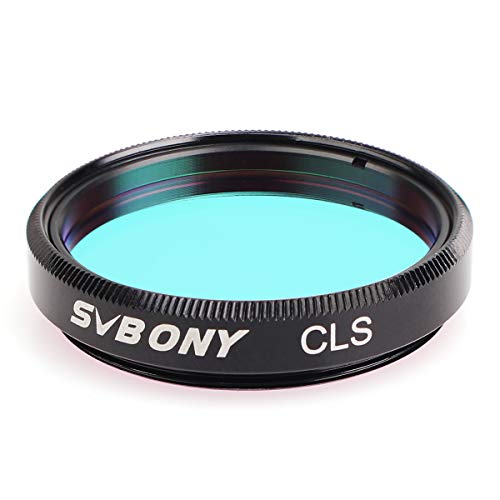 TOP CHOICEBest for nebula detailSVBONY Telescope Filters, CLS 1.25" Light Pollution Broadband FilterView on Amazon
- 4
 Best for larger camera lensesWalking Way 67mm Natural Night Filter for Light Pollution ReductionView on Amazon
- 5
 Best budget pickLight Pollution Filter 1.25" for City Viewing Light PollutionView on Amazon
- 6
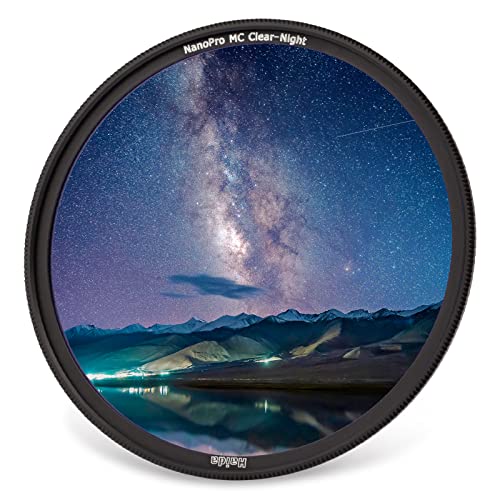 Best for camera setupsHaida 52MM Clear-Night Filter Light Pollution Source ReductionView on Amazon
- 7
 Best for 2" eyepiecesCelestron UHC/LPR Visual Filter for 2" EyepiecesView on Amazon
Our Top Picks
Quick Comparison
| Product | Best for | Key feature |
|---|---|---|
| Baader Planetarium Contrast Booster Filter for 1.25″ Eyepieces | Visual observers in suburban and urban skies | Broad transmission profile for eyepiece use |
| K&F CONCEPT 58mm Clear Natural Night Filter | Astrophotographers using 58mm lens threads | Multi-layer coatings with minimal color cast |
| SVBONY CLS 1.25″ Light Pollution Broadband Filter | Visual nebula and deep-sky viewing | Listed high transmission for nebula emission lines |
| Walking Way 67mm Natural Night Filter | Camera lenses with 67mm threads | Nano-coated optical glass |
| Light Pollution Filter 1.25″ for City Viewing | Budget-minded beginners in cities | Standard 1.25 inch thread and contrast boost |
| Haida 52MM Clear-Night Filter | Wide-field star photography | Clear-night design for sky and star shots |
| Celestron UHC/LPR Visual Filter for 2″ Eyepieces | Observers using 2″ eyepieces | Ultra high contrast (UHC/LPR) design |
Baader Planetarium Contrast Booster Filter for 1.25″ Eyepieces
Baader Planetarium Contrast Booster Filter for 1.25" Eyepieces
Best for: Visual observers who want an all-around light pollution filter for a 1.25-inch eyepiece.
This is a good fit for someone observing from a suburb or the edge of a city who wants a filter that works across a range of targets without much fuss. Baader is a well-regarded name in observing accessories, and its filters are commonly recommended as a reference point.
Key specs
- 1.25-inch barrel format for standard eyepieces
- Contrast-boosting design for visual use
Pros
- Well-known brand with a long track record in observing accessories
- Simple 1.25-inch format fits most eyepiece setups
- Works across a variety of deep-sky targets
Cons
- Filters of this kind cannot restore the sky to dark-site quality
- Visual benefit is greatest on emission nebulae, less on galaxies
Bottom line: A strong first choice for visual observers in moderately light-polluted skies who want a reliable, widely recommended filter.
View on AmazonK&F CONCEPT 58mm Clear Natural Night Filter Pollution Reduction
K&F CONCEPT 58mm Clear Natural Night Filter Pollution Reduction | 28 Multi-Layer Coatings Light Pollution Reduction Filter for Night City Sky Star Shots.No Color Cast Nano-X Series FE707
Best for: Astrophotographers who need a light pollution filter with a 58mm thread for lens-based night sky shots.
This filter suits photographers shooting star fields, city skylines with the Milky Way, or long exposures from urban locations. The listing emphasizes a natural rendering of colors, which matters if you want accurate sky tones in your images.
Key specs
- 58mm filter thread
- Multi-layer coating design as described in the listing
Pros
- Thread size matches a common lens format
- Multi-layer coating aimed at reducing color cast
- Designed with night sky photography in mind
Cons
- Only useful if your lens uses a 58mm thread
- Filter benefit depends on exposure settings and camera sensor
Bottom line: A sensible choice for photographers with a 58mm lens who want a natural-looking night filter.
View on AmazonSVBONY Telescope Filters, CLS 1.25″ Light Pollution Broadband Filter
SVBONY Telescope Filters, CLS 1.25", Light Pollution Broadband Filter | 90% Transmission of Nebula Emission Lines,Reduces Light Pollution ,Suitable for Deep Sky Visual Astronomical Photography
Best for: Visual observers who want to pull nebula detail from a light-polluted sky.
This is a practical option for eyepiece observers, especially those who focus on emission nebulae and other targets where a narrow bandpass helps. The listing describes a high transmission level for nebula emission lines, which is the feature that matters most for this type of filter.
Key specs
- 1.25-inch format
- CLS (light pollution broadband) design as named in the listing
Pros
- Format fits standard 1.25-inch eyepieces
- Emphasis on nebula emission line transmission
- Suitable for both visual and some photographic use
Cons
- Broadband designs can dim some galaxies and star clusters
- Benefit is limited under heavy sodium lighting
Bottom line: A good pick for visual observers who mainly chase nebulae from urban or suburban sites.
View on AmazonWalking Way 67mm Natural Night Filter for Light Pollution Reduction
Walking Way 67mm Natural Night Filter for Light Pollution Reduction Nano-Coated Optical Glass for Night Sky/Astrophotography/Star Clarity Anti-Light Pollution Filter
Best for: Photographers with 67mm lens threads who shoot the night sky from cities.
This filter is aimed at camera users who want a larger thread size for wide-angle or telephoto lenses. The nano-coated glass design is the main selling point, and it suits night photographers working in light-polluted areas.
Key specs
- 67mm filter thread
- Nano-coated optical glass as stated in the listing
Pros
- 67mm size fits a range of professional lenses
- Nano coating is designed to reduce reflections
- Clear description of its night sky purpose
Cons
- Limited use if your lenses use other thread sizes
- Owners often report that results depend heavily on the sky and exposure
Bottom line: The right choice for photographers whose lenses use a 67mm thread and who shoot from light-polluted locations.
View on AmazonLight Pollution Filter 1.25″ for City Viewing Light Pollution
Light Pollution Filter 1.25" for City Viewing Light Pollution | Boosts for nebula contrast, blocks artificial light, enhances deep views, standard 1.25 inch thread
Best for: Beginners on a budget who want to try a light pollution filter in a city setting.
This option is a low-commitment way to find out how much a light pollution filter helps from your own backyard or balcony. Its 1.25-inch format fits most eyepieces, so it can be a starting point before you invest in a more specialized model.
Key specs
- 1.25-inch standard thread
- Designed to boost nebula contrast by blocking artificial light
Pros
- Budget-friendly entry point
- Standard 1.25-inch thread works with common eyepieces
- Clearly described purpose for city observing
Cons
- Less well known than established observing-accessory brands
- Owners often report that performance varies with sky conditions
Bottom line: A reasonable starting filter for beginners in cities who want to see whether a filter makes a difference.
View on AmazonHaida 52MM Clear-Night Filter Light Pollution Source Reduction
Haida 52MM Clear-Night Filter Light Pollution Source Reduction for Sky/Star
Best for: Camera users who want a 52mm clear-night filter for sky and star photography.
Haida is a photography-focused brand, and this filter is designed for night sky shots taken with a camera lens. It suits photographers who want to reduce urban glow in wide-field images without a heavy color shift.
Key specs
- 52mm filter thread
- Clear-night design for sky and star work
Pros
- Photography-oriented brand reputation
- 52mm thread suits many mid-size lenses
- Designed specifically for night sky subjects
Cons
- Not suitable for eyepiece observing
- Requires a lens with a 52mm thread
Bottom line: A solid option for photographers with 52mm lenses who want a clear-night filter from a camera-focused maker.
View on AmazonCelestron UHC/LPR Visual Filter for 2″ Eyepieces
Celestron UHC/LPR Visual Filter for 2" Eyepieces – Reduces Light Pollution | Reduces Light Pollution, Enhances Nebula Contrast, Darker Sky Background, High Transmission Coatings
Best for: Visual observers using 2-inch eyepieces who want a UHC-style light pollution filter.
Celestron is a long-established telescope maker, and this filter is intended for observers who want a wider 2-inch format for wide-field views. UHC-type filters are widely discussed among visual observers for their effect on emission nebulae.
Key specs
- 2-inch eyepiece format
- UHC/LPR (ultra high contrast light pollution reduction) design as named in the listing
Pros
- 2-inch format suits wide-field eyepieces
- Established brand in telescope accessories
- UHC design is a familiar choice for nebula observing
Cons
- Not useful with 1.25-inch eyepieces without an adapter
- UHC filters can dim some galaxies and star fields
Bottom line: The natural choice for observers with 2-inch eyepieces who mainly observe emission nebulae from light-polluted sites.
View on AmazonBuying Guide
Filter type: broadband, narrowband, and natural night
Broadband filters reduce a wide slice of the spectrum, which helps with general light pollution but can dim some targets. Narrowband and UHC-style filters pass specific emission lines and are most effective on nebulae. Natural night filters aim to preserve star colors and suit imaging.
Good picks for this: SVBONY CLS 1.25″ Light Pollution Broadband Filter, Celestron UHC/LPR Visual Filter for 2″ Eyepieces
Thread size and format
Telescope filters usually fit eyepiece barrels of 1.25 or 2 inches, while camera filters use lens thread sizes such as 52mm, 58mm, or 67mm. Measure your eyepiece barrel or lens filter thread before buying, since a mismatch means the filter will not fit or will need an adapter.
Good picks for this: Baader Planetarium Contrast Booster Filter for 1.25″ Eyepieces, Walking Way 67mm Natural Night Filter
Visual versus imaging use
Visual filters are tuned to what the eye sees through an eyepiece, often emphasizing contrast on nebulae. Imaging filters need consistent color balance and clean coatings so that long exposures do not pick up color casts. Choose based on how you will observe most often.
Good picks for this: K&F CONCEPT 58mm Clear Natural Night Filter, Haida 52MM Clear-Night Filter
Your local sky and targets
Filters help most under moderate light pollution and on emission nebulae. Under heavy sodium lighting or in a Bortle 8 or 9 sky, expect improvements but not a dark sky. Galaxies and star clusters often respond less to narrowband designs than nebulae do.
Good picks for this: Light Pollution Filter 1.25″ for City Viewing Light Pollution, Baader Planetarium Contrast Booster Filter for 1.25″ Eyepieces
Coatings and optical quality
Multi-layer and nano coatings are meant to reduce reflections and ghosting, which affect contrast. Owners often report that coating quality shows up most in high-contrast views and in photos of bright stars. Check whether the listing describes coatings, since that is a useful sign of design attention.
Good picks for this: K&F CONCEPT 58mm Clear Natural Night Filter, Walking Way 67mm Natural Night Filter
Durability and care
Store filters in a case, keep caps on when not in use, and clean them with a blower and a soft microfiber cloth. Avoid touching the glass. Scratches and coating damage reduce contrast and can create artifacts in photos.
Good picks for this: Celestron UHC/LPR Visual Filter for 2″ Eyepieces, SVBONY CLS 1.25″ Light Pollution Broadband Filter
Compatibility with your gear
Confirm that the filter works with your telescope or camera, including any adapter rings. Some filters are designed for eyepieces only and will not work on a camera lens. If you use both, consider two filters or a filter system that matches each setup.
Good picks for this: Haida 52MM Clear-Night Filter, Baader Planetarium Contrast Booster Filter for 1.25″ Eyepieces
FAQ
What does a light pollution filter actually do?
A light pollution filter blocks certain wavelengths of artificial light, mainly from sodium and mercury streetlights, while passing the light from many deep-sky objects. The result is higher contrast, especially on emission nebulae. It does not remove the sky glow entirely.
Will a light pollution filter work on planets and the Moon?
Most light pollution filters are designed for deep-sky objects, and they offer little benefit for planets or the Moon. Planetary and lunar observers usually need a different type of filter, such as a moon or color filter.
Can I use a light pollution filter for astrophotography?
Yes, but choose a filter labeled for imaging or natural night use, with the correct thread size for your lens. Imaging filters are tuned to preserve color balance better than visual filters do.
Which filter type is best for nebulae?
Narrowband and UHC-style filters are generally the most effective on emission nebulae. Broadband designs help with general glow but can dim galaxies more than narrowband filters.
Do I need a filter if I live in a dark rural area?
In a truly dark sky, a light pollution filter usually adds little benefit and can dim some targets. Filters are most useful under suburban or urban skies.
How do I clean a light pollution filter?
Use a rubber air blower to remove dust, then a soft microfiber cloth with a small amount of lens cleaning solution if needed. Avoid abrasive materials and do not press hard on the glass.
Conclusion
A baader light pollution filter can meaningfully improve what you see or capture from a light-polluted site, but the right choice depends on your gear and targets. For a general-purpose visual filter with a well-known brand, the Baader Planetarium Contrast Booster Filter is a strong starting point. Camera users should match thread size first, then choose between the K&F CONCEPT 58mm, Walking Way 67mm, or Haida 52MM depending on their lens. Observers with 2-inch eyepieces may prefer the Celestron UHC/LPR, while a budget-minded beginner can try the Light Pollution Filter 1.25″ for City Viewing as a low-risk first step. Owners often report the best results on nebulae from suburban and urban skies, so set realistic expectations for galaxies and heavily lit locations.
Sources
- Background on light pollution, sky brightness, and how artificial light affects astronomical observing (nasa.gov)
- Guidance on light pollution, dark-sky places, and what observers can do about urban glow
- Information from the American Astronomical Society on amateur astronomy and observing practice
Before you buy: helpful guides
Related reading
- Polarizer Filter Light Pollution vs Narrowband: Which Should You Choose?
- Optolong L Pro Light Pollution Filter (2026): Which Should You Choose?
- Light Pollution Filter Comparison (2026): Which Should You Choose?
- 7 Best Light Pollution Filters for Astrophotography Picks in 2026
- 6 Best 77mm Light Pollution Filter Picks Compared for Night Sky Viewing
About Audrey Hayes
Audrey Hayes is part of our editorial team and reviews and edits our telescopes & stargazing guides, checking product details against manufacturer specifications and owner feedback.
About the author
Audrey Hayes writes reviews and buying guides for Astronomy Site.