6 Best Seestar S30 Light Pollution Filters for City Stargazing
Compare six seestar s30 light pollution filter options for city and suburban sky viewing, with key specs, pros, cons and buying tips to match your setup.
 By Audrey Hayes
Updated November 24, 2026
 By Audrey Hayes
Updated November 2026
Shopping for a seestar s30 light pollution filter means balancing three things: how much sky glow it blocks, how much natural color it leaves in stars and deep-sky targets, and whether it physically fits the Seestar S30 without vignetting or awkward mounting. This guide compares six filters and filter-equipped options from the Amazon US catalog. The selection criteria were research-based: published specifications, manufacturer claims about spectral transmission, brand reputation for optical coatings, and recurring patterns in owner feedback about color cast, thread fit and clarity from light-polluted sites.
Our top picks at a glance
- 1TOP CHOICEBest overallDWARFLAB Dwarf Mini Smart Telescope – 1.85lb Portable Astronomy TelescView on Amazon
- 2
 TOP CHOICEBest for dedicated filter swapsWalking Way 67mm Natural Night Filter for Light Pollution Reduction NaView on Amazon
- 3
 TOP CHOICEBest for color-neutral star shotsK&F CONCEPT 67mm Clear Natural Night Filter Pollution Reduction | 28 MView on Amazon
- 4
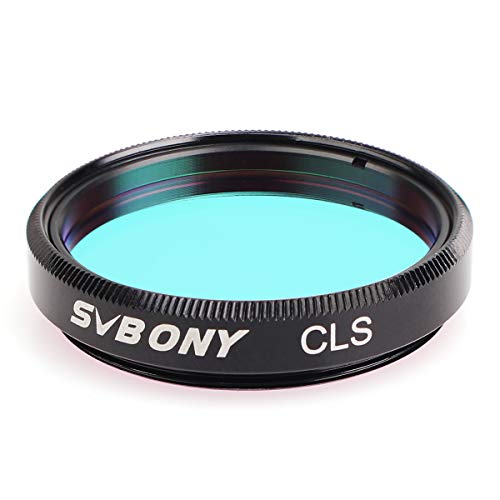 Best for nebula contrastSVBONY Telescope Filters, CLS 1.25", Light Pollution Broadband FilterView on Amazon
- 5
 Best for 1.25-inch eyepiece setupsLight Pollution Filter 1.25" for City Viewing Light Pollution | BoostsView on Amazon
- 6
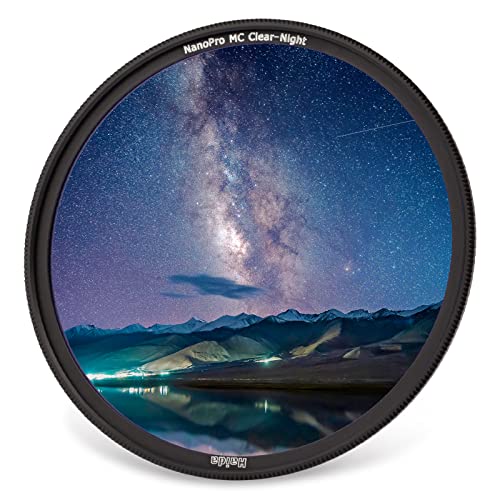 Best budget pick for larger threadsHaida 52MM Clear-Night Filter Light Pollution Source Reduction for Sky/StarView on Amazon
Our Top Picks
Quick Comparison
| Product | Best for | Key feature |
|---|---|---|
| DWARFLAB Dwarf Mini Smart Telescope | Overall use with a built-in light pollution filter | Integrated filter with app-based GOTO control |
| Walking Way 67mm Natural Night Filter | Dedicated filter swaps | Nano-coated optical glass |
| K&F CONCEPT 67mm Clear Natural Night Filter | Color-neutral star shots | 28 multi-layer coatings |
| SVBONY CLS 1.25″ Light Pollution Filter | Nebula contrast | Broadband design, about 90% transmission of nebula emission lines per listing |
| Light Pollution Filter 1.25″ for City Viewing | 1.25-inch eyepiece setups | Standard 1.25-inch thread |
| Haida 52MM Clear-Night Filter | Budget-minded buyers with compatible adapters | Clear-night sky and star reduction design |
DWARFLAB Dwarf Mini Smart Telescope – 1.85lb Portable Astronomy Telescope | App Control, Auto GOTO, AZ/EQ Modes, 90-Second Exposure, Light Pollution Filter, 360° Pivot Freedom, Built-in Processing
DWARFLAB Dwarf Mini Smart Telescope – 1.85lb Portable Astronomy Telescope | App Control, Auto GOTO, AZ/EQ Modes, 90-Second Exposure, Light Pollution Filter, 360° Pivot Freedom, Built-in Processing
Best for: Overall use with a built-in light pollution filter
This is the most complete option in the group for people who want a filter already matched to the sensor and optics, rather than threading an accessory onto a device. It suits beginners and astrophotographers who shoot from suburban or urban backyards and want app-driven targeting.
Key specs
- Listed weight: 1.85 lb
- Light pollution filter included
- AZ and EQ mounting modes
- Listed 90-second exposure
- 360° pivot freedom
- Built-in image processing
Pros
- Filter is built in, so there is no thread or adapter to match
- Light enough to carry to a dark-ish observing spot
- App control and automatic GOTO simplify targeting
Cons
- Relies on a phone app and battery, which can frustrate some users
- Built-in filtering cannot be swapped for a different bandpass
Bottom line: Choose this if you want a filter that is already part of a complete, portable system and you accept the app-based workflow.
View on AmazonWalking Way 67mm Natural Night Filter for Light Pollution Reduction Nano-Coated Optical Glass for Night Sky/Astrophotography/Star Clarity Anti-Light Pollution Filter
Walking Way 67mm Natural Night Filter for Light Pollution Reduction Nano-Coated Optical Glass for Night Sky/Astrophotography/Star Clarity Anti-Light Pollution Filter
Best for: Dedicated filter swaps
A screw-on style filter for users who already own a compatible adapter or camera-side mount and want a standalone light pollution filter they can move between setups.
Key specs
- 67mm filter diameter (per listing name)
- Nano-coated optical glass
- Designed for night sky and star clarity
Pros
- Standalone design works across several optical setups with the right adapter
- Nano coating is intended to reduce reflections
- Targeted at natural-color sky rendering
Cons
- A 67mm size needs a matching step-up or step-down ring for many setups
- Owners using small apertures may see some vignetting, depending on the mount
Bottom line: A good pick for users who want a filter they can reuse across more than one scope or camera.
View on AmazonK&F CONCEPT 67mm Clear Natural Night Filter Pollution Reduction | 28 Multi-Layer Coatings Light Pollution Reduction Filter for Night City Sky Star Shots. No Color Cast Nano-X Series FE707
K&F CONCEPT 67mm Clear Natural Night Filter Pollution Reduction | 28 Multi-Layer Coatings Light Pollution Reduction Filter for Night City Sky Star Shots.No Color Cast Nano-X Series FE707
Best for: Color-neutral star shots
Aimed at photographers who shoot star fields from light-polluted cities and want the sky background darkened without a strong magenta or green shift.
Key specs
- 67mm thread size (per listing name)
- 28 multi-layer coatings (per listing name)
- Nano-X series naming
Pros
- Multi-layer coating is marketed for reduced color cast
- Clear, neutral design suits daytime and nighttime use
- Common thread size with many accessories
Cons
- Thread-size adapters are usually needed for a Seestar-style setup
- Coating claims are manufacturer-stated; independent measurements vary by setup
Bottom line: Pick this if neutral color matters more to you than maximum sky-glow suppression.
View on AmazonSVBONY Telescope Filters, CLS 1.25″, Light Pollution Broadband Filter | 90% Transmission of Nebula Emission Lines, Reduces Light Pollution, Suitable for Deep Sky Visual Astronomical Photography
SVBONY Telescope Filters, CLS 1.25", Light Pollution Broadband Filter | 90% Transmission of Nebula Emission Lines,Reduces Light Pollution ,Suitable for Deep Sky Visual Astronomical Photography
Best for: Nebula contrast
A CLS-style broadband filter that targets the emission lines of common nebulae. It fits people observing emission nebulae from suburban skies, both visually and in photos.
Key specs
- 1.25-inch format (per listing name)
- Broadband CLS design
- Listed about 90% transmission of nebula emission lines
Pros
- Designed specifically to pass nebula emission wavelengths
- Works for both visual observing and astrophotography
- Widely used class of filter with a long track record
Cons
- 1.25-inch format needs an adapter for most Seestar-style setups
- Less effective on galaxies and star clusters than on emission nebulae
Bottom line: Best for observers who want nebula detail from a bright sky and accept that galaxies will look less improved.
View on AmazonLight Pollution Filter 1.25″ for City Viewing Light Pollution | Boosts for nebula contrast, blocks artificial light, enhances deep views, standard 1.25 inch thread
Light Pollution Filter 1.25" for City Viewing Light Pollution | Boosts for nebula contrast, blocks artificial light, enhances deep views, standard 1.25 inch thread
Best for: 1.25-inch eyepiece setups
Suits people who already use 1.25-inch eyepieces and want a filter that threads directly onto them for city-based deep-sky viewing.
Key specs
- Standard 1.25-inch thread (per listing name)
- Marketed for nebula contrast and artificial-light blocking
Pros
- Standard thread fits many eyepieces without adapters
- Low profile makes it easy to stack with other accessories
- Clearly described use case for city viewing
Cons
- Performance claims are manufacturer-stated and not independently verified here
- Eyepiece-mounted filters do not suit every Seestar-style imaging workflow
Bottom line: A practical choice for eyepiece-based observers with a standard 1.25-inch setup.
View on AmazonHaida 52MM Clear-Night Filter Light Pollution Source Reduction for Sky/Star
Haida 52MM Clear-Night Filter Light Pollution Source Reduction for Sky/Star
Best for: Budget-minded buyers with compatible adapters
Designed for sky and star photography, this 52mm filter is a sensible option for users who already own a 52mm adapter or a compatible lens-style mount.
Key specs
- 52mm thread size (per listing name)
- Clear-night design for sky and star reduction
Pros
- Haida is a recognized filter maker with a long photography history
- Clear design suits natural-color sky work
- Smaller thread can be easier to adapt in some setups
Cons
- 52mm size needs an adapter for most Seestar setups
- Less specialized for emission-line work than CLS-type filters
Bottom line: Worth considering if you already own a 52mm adapter and want a clear-night filter without a specialized bandpass.
View on AmazonBuying Guide
Filter type: broadband versus CLS-style
Broadband light pollution filters reduce a wide band of sodium and mercury light, while CLS-style filters are tuned to pass the emission lines of common nebulae. Broadband filters are the usual choice for mixed targets. CLS designs help most on emission nebulae.
Good picks for this: SVBONY CLS 1.25″ Light Pollution Filter, K&F CONCEPT 67mm Clear Natural Night Filter
Thread size and adapters
Filter thread diameter determines what adapters you need. Common sizes include 1.25 inches, 52mm and 67mm. Check the thread on your Seestar setup before buying, and budget for a step ring or adapter if the sizes do not match.
Good picks for this: Walking Way 67mm Natural Night Filter, Haida 52MM Clear-Night Filter
Color cast and natural rendering
Some filters tint the sky or stars magenta or green. Multi-layer coatings are intended to reduce this. If you care about accurate star color, look for filters described as clear or natural-color.
Good picks for this: K&F CONCEPT 67mm Clear Natural Night Filter, Walking Way 67mm Natural Night Filter
Use case: visual versus imaging
Visual observers and astrophotographers have different needs. Visual observers often prioritize contrast on nebulae. Imaging users want consistent color across long exposures. Match the filter to your main target type.
Good picks for this: SVBONY CLS 1.25″ Light Pollution Filter, Light Pollution Filter 1.25″ for City Viewing
Integrated versus add-on filters
An integrated filter, like the one in the DWARFLAB Dwarf Mini Smart Telescope, avoids thread-matching problems but limits your ability to swap bandpasses. Add-on filters give more flexibility but require careful sizing and adapters.
Good picks for this: DWARFLAB Dwarf Mini Smart Telescope, Walking Way 67mm Natural Night Filter
Durability and coatings
Optical coatings are the most fragile part of any filter. Avoid touching the glass, store filters in a case, and clean them with a soft brush and lens-safe solution. Coating quality is a manufacturer claim unless independently tested.
Good picks for this: K&F CONCEPT 67mm Clear Natural Night Filter, Haida 52MM Clear-Night Filter
Care and handling
Keep filters capped when not in use and let them acclimate to temperature before observing to reduce dew. Use a dew heater or lens cap during humid nights.
Good picks for this: Light Pollution Filter 1.25″ for City Viewing, SVBONY CLS 1.25″ Light Pollution Filter
FAQ
Does a light pollution filter work on the Seestar S30?
It can, depending on how the filter is mounted. Built-in filters work without adapters. Add-on filters need a thread that matches your setup, usually through a step ring or adapter.
Will a light pollution filter help galaxies?
Less than it helps emission nebulae. Broadband filters reduce sky glow for many targets, while CLS filters are tuned mainly for emission nebulae and help galaxies only modestly.
Do light pollution filters change star color?
Some do. Filters with multi-layer coatings are designed to minimize color cast, but results vary. Check owner feedback for color shifts before buying.
Can I use a filter in a bright city?
A filter improves contrast but cannot remove all sky glow. Bright cities still limit faint targets. Combine a filter with a darker site when possible.
Do I need an adapter?
Most add-on filters need one unless the thread matches your accessory. Measure the thread diameter before buying and budget for the right ring.
How do I clean a filter safely?
Use a soft brush or a microfiber cloth with lens-safe cleaning solution. Avoid abrasive materials, and never touch the optical surface with bare fingers.
Conclusion
For an integrated, app-driven setup, the DWARFLAB Dwarf Mini Smart Telescope is the simplest path. For a standalone filter you can move between devices, the Walking Way 67mm and K&F CONCEPT 67mm filters are worth comparing. If nebula contrast is your priority, the SVBONY CLS 1.25″ filter fits that job. Eyepiece-based observers with a standard thread can consider the 1.25″ City Viewing filter, and anyone with a 52mm adapter can look at the Haida option. Confirm thread sizes before buying, since adapter needs drive a large part of the real cost of ownership.
Sources
- Background on how light pollution affects astronomical observing and sky brightness (nasa.gov)
- Guidance on light pollution, sky quality and dark-sky observing sites
- Professional astronomy resources on observing conditions and telescope use
Before you buy: helpful guides
Related reading
- Polarizer Filter Light Pollution vs Narrowband: Which Should You Choose?
- Optolong L Pro Light Pollution Filter (2026): Which Should You Choose?
- Light Pollution Filter Comparison (2026): Which Should You Choose?
About Audrey Hayes
Audrey Hayes is part of our editorial team and reviews and edits our telescopes & stargazing guides, checking product details against manufacturer specifications and owner feedback.
About the author
Audrey Hayes writes reviews and buying guides for Astronomy Site.