6 Best Used Cameras for Astrophotography: Picks Compared (2026)
Looking for the best used camera for astrophotography? Compare six options by sensor, cooling, and workflow, with pros, cons, and who each one suits.
 By Colin Foster
Updated November 10, 2026
 By Colin Foster
Updated November 2026
Finding the best used camera for astrophotography means balancing sensor sensitivity, cooling, software support, and how much work it takes to get a usable image of the night sky. Astrophotography is unforgiving: faint nebulae and galaxies demand low read noise, good quantum efficiency, and stable thermal behavior, and the camera you pick determines how much of that you can actually use. This guide compares six products across dedicated astronomy cameras, a planetary and guide-oriented sensor, an eyepiece-style imager, and an all-in-one smart telescope, so you can match the hardware to the targets you care about.
Our top picks at a glance
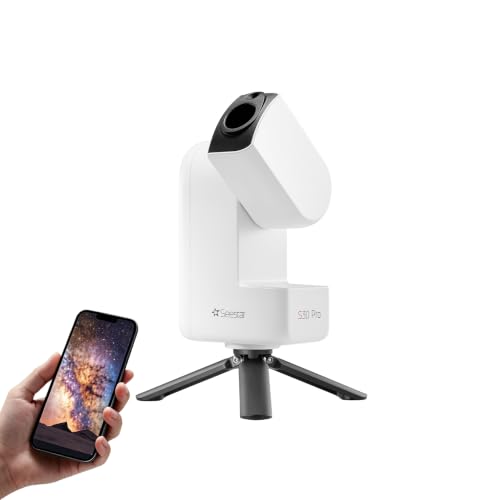
- 1TOP CHOICEBest overallZWO Seestar S30 Pro Smart Telescope, App-Controlled AstrophotographyView on Amazon
- 2
 TOP CHOICEBest for deep-sky coolingSVBONY SV405CC Astrophotography Camera, Cooled Telescope Eyepiece IMX294View on Amazon
- 3
 TOP CHOICEBest for planetary detailSVBONY SV705C Telescope Camera Eyepiece, IMX585 USB 3.0 Astronomy CameraView on Amazon
- 4
 Best for autoguidingSVBONY SV905C Guide Camera Telescope Eyepiece, 1.23MP CMOS SensorView on Amazon
- 5
 Best for eyepiece viewingAstrophotography Camera, 4K HD Electronic Eyepiece with 3 Inch Color DisplayView on Amazon
- 6
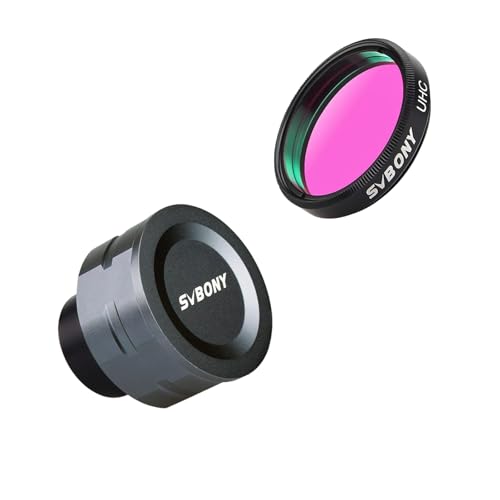 Best budget pickSVBONY SV105 Telescope Camera, 1.25" USB2.0 IMX307 with UHC FilterView on Amazon
The selection criteria we used were sensor size and type, cooling capability, interface and software compatibility, intended target class (planetary, deep-sky, or wide-field), and the kind of owner feedback these models commonly attract. We did not test these cameras ourselves; the comparisons draw on manufacturer specifications, brand reputation, and recurring patterns in owner reports.
Our Top Picks
Quick Comparison
| Product | Best for | Key feature |
|---|---|---|
| ZWO Seestar S30 Pro Smart Telescope | Beginners who want an all-in-one setup | Auto tracking and GoTo with one-tap capture |
| SVBONY SV405CC Cooled Astrophotography Camera | Deep-sky imaging with long exposures | Cooled 4/3-inch IMX294 color sensor |
| SVBONY SV705C Telescope Camera Eyepiece | Planetary and lunar imaging | IMX585 sensor with high resolution |
| SVBONY SV905C Guide Camera | Autoguiding and planetary work | ST4 guide interface on a compact CMOS sensor |
| 4K HD Electronic Eyepiece with 3 Inch Display | Shared viewing and moon photos | Large on-screen image from the eyepiece position |
| SVBONY SV105 Telescope Camera | Budget-minded planetary imaging | IMX307 sensor with built-in UHC filter |
ZWO Seestar S30 Pro Smart Telescope, App-Controlled Astrophotography
ZWO Seestar S30 Pro Smart Telescope, App-Controlled Astrophotography | 4K Dual Camera, Auto Tracking & GoTo, One-Tap Capture & Processing, Milky Way & Star Trail, Deep Sky & Wide-Field Imaging
Best for: Beginners who want an all-in-one setup
This is a self-contained smart telescope aimed at people who want to image the sky without building a traditional rig. Much of the work happens in the companion app, from alignment to stacking and processing.
Key specs
- 4K dual camera system
- Auto tracking and GoTo
- One-tap capture and processing
- Suited to Milky Way, star trail, deep-sky, and wide-field targets
Pros
- Very short learning curve compared with a standalone camera and mount
- Automatic tracking keeps long exposures from smearing
- Wide-field framing works well for large nebulae and the Milky Way
Cons
- Less control over individual exposure settings than a dedicated imaging train
- Limited upgrade path if you later want a larger sensor or different optics
Bottom line: Best for newcomers who want good results quickly and are willing to trade manual control for convenience.
View on AmazonSVBONY SV405CC Astrophotography Camera, Cooled Telescope Eyepiece IMX294
SVBONY SV405CC Astrophotography Camera, Cooled Telescope Eyepiece IMX294 | High-Sensitivity 4/3" Color Sensor 11.7MP USB 3.0 HCG Mode, Cooling Power Steady, Cooled Camera for Deep Sky Astrophotography
Best for: Deep-sky imaging with long exposures
A cooled color CMOS camera designed for faint targets. Owners who image nebulae and galaxies typically value the cooling for keeping thermal noise under control over long sessions.
Key specs
- 4/3-inch color sensor (IMX294)
- 11.7 MP resolution
- USB 3.0 interface
- Cooled sensor for steadier dark current
Pros
- Cooling helps reduce noise on long deep-sky exposures
- Sensor size suits a wide range of focal lengths
- USB 3.0 supports fast frame transfer
Cons
- Requires a stable power source and a capable mount to get full benefit
- Used units may lack original accessories, so check what is included
Bottom line: A strong choice for imagers who already own a telescope and mount and want serious deep-sky performance.
View on AmazonSVBONY SV705C Telescope Camera Eyepiece, IMX585 USB 3.0 Astronomy Camera
SVBONY SV705C Telescope Camera Eyepiece, IMX585 USB 3.0 Astronomy Camera | "1/1.2” Frame, Astronomy Camera, High Resolution Planetary Camera, for Moon, Saturn, Planets and Deep Sky Astrophotography "
Best for: Planetary and lunar imaging
Sized for the 1/1.2-inch frame, this camera fits high-resolution planetary and lunar work and can also capture brighter deep-sky objects with shorter exposures.
Key specs
- IMX585 sensor in a 1/1.2-inch format
- USB 3.0 interface
- Designed for planets, the Moon, and deep-sky targets
Pros
- High pixel count captures fine lunar and planetary detail
- Fast readout suits lucky-imaging workflows
- Works with standard eyepiece-sized telescope focusers
Cons
- Smaller pixels can make faint deep-sky work harder without guiding
- Requires careful focus and a stable seeing environment for best results
Bottom line: Ideal for people who prioritize planets and the Moon and want a camera that stays useful for brighter deep-sky targets.
View on AmazonSVBONY SV905C Guide Camera Telescope Eyepiece, 1.23MP CMOS Sensor
SVBONY SV905C Guide Camera Telescope Eyepiece, 1.23MP CMOS Sensor, 1.25Inch | USB 2.0, ST4 Guide Interface, Astrophotography Camera, with AR-Coated, for Autoguiding or Planetary Imaging, Astrophotogra
Best for: Autoguiding and planetary work
A compact guide camera with an ST4 interface, commonly used to track a guide star so the main imaging camera can take longer, sharper exposures.
Key specs
- 1.23 MP CMOS sensor
- USB 2.0 interface
- ST4 guide port
- 1.25-inch barrel with AR-coated optics
Pros
- Small and light, so it does not add much load to a guide scope
- ST4 compatibility works with many mounts
- Also usable for simple planetary captures
Cons
- Low resolution limits its usefulness as a main imaging camera
- USB 2.0 is slower than USB 3.0 for high-frame-rate work
Bottom line: Best as a dedicated guider for anyone building a deep-sky setup on a tracking mount.
View on AmazonAstrophotography Camera, 4K HD Electronic Eyepiece with 3 Inch Color Display
Astrophotography Camera,Camera To Take Pictures Close Of The Moon,4K HD Electronic Eyepiece with 3 Inch Color Display Screen for Astronomical Telescopes and Microscopes
Best for: Shared viewing and moon photos
An electronic eyepiece that shows the view on a built-in screen, useful when you want to watch the sky with others or review what the telescope is showing.
Key specs
- 4K HD imaging
- 3-inch color display
- Designed for astronomical telescopes and microscopes
Pros
- Easy group viewing without everyone crowding the eyepiece
- Screen view removes the need to dark-adapt your eyes
- Good for lunar and bright planetary observation
Cons
- Screen-based viewing can feel less immersive than a true optical eyepiece
- Limited suitability for faint deep-sky imaging
Bottom line: A practical option for families, classrooms, and outreach nights rather than serious long-exposure work.
View on AmazonSVBONY SV105 Telescope Camera, 1.25″ USB2.0 IMX307 with UHC Filter
SVBONY SV105 Telescope Camera, 1.25" USB2.0 IMX307,with 1.25" UHC Filter | Plug-and-play Simplicity,Astrophotography Camera Improve The Image Contrast ,Reduces Light Pollution for Astrophotography
Best for: Budget-minded planetary imaging
A straightforward planetary camera with a 1.25-inch barrel and an included UHC filter, which owners often mention for improving contrast and cutting light pollution.
Key specs
- IMX307 sensor
- USB 2.0 interface
- 1.25-inch barrel
- Includes UHC filter
Pros
- Plug-and-play setup with common capture software
- UHC filter helps with contrast under light-polluted skies
- Compact, easy to move between telescopes
Cons
- Sensor size and noise performance limit deep-sky use
- USB 2.0 is slower for high-speed video capture
Bottom line: A sensible entry point for planetary imaging when you want to keep the setup simple.
View on AmazonBuying Guide
Sensor Type and Size
Sensor size determines your field of view and how much light each pixel collects. Larger sensors suit wide-field and deep-sky work; smaller sensors suit planets. Check whether the sensor is CMOS or CCD and whether it is color or monochrome, since monochrome sensors generally suit narrowband deep-sky imaging.
Good picks for this: SVBONY SV405CC Cooled Astrophotography Camera, SVBONY SV705C Telescope Camera Eyepiece
Cooling
Cooled sensors hold a steady temperature, which keeps thermal noise from building up during long exposures. Cooling matters most for deep-sky targets that need minutes of integration. For short planetary videos, it is usually less important.
Good picks for this: SVBONY SV405CC Cooled Astrophotography Camera
Resolution and Pixel Size
Higher resolution captures finer lunar and planetary detail, but smaller pixels collect less light each. Match pixel size to your telescope’s focal length and seeing conditions so you are not oversampling. Many imagers aim for a sampling rate that suits their local seeing.
Good picks for this: SVBONY SV705C Telescope Camera Eyepiece, SVBONY SV105 Telescope Camera
Interface and Frame Rate
USB 3.0 transfers frames much faster than USB 2.0, which matters for planetary video and lucky imaging. USB 2.0 is adequate for guiding and slower captures. Confirm that your computer has the ports you need.
Good picks for this: SVBONY SV705C Telescope Camera Eyepiece, SVBONY SV905C Guide Camera
Compatibility With Your Telescope
Check the barrel size (commonly 1.25 inches or 2 inches), the back focus requirements, and whether the camera has a guide port. A camera that does not reach focus with your optical train will not help, no matter how good its sensor is.
Good picks for this: SVBONY SV905C Guide Camera, SVBONY SV105 Telescope Camera
Use Case: Beginner Versus Advanced
If you want quick results and minimal setup, an integrated smart telescope saves time. If you already own a mount and want full control over exposure and processing, a dedicated camera offers more flexibility. Think about how much time you want to spend on each session.
Good picks for this: ZWO Seestar S30 Pro Smart Telescope, 4K HD Electronic Eyepiece with 3 Inch Display
Durability and Used-Condition Checks
When buying used, inspect the window for scratches, test the cooling fan or Peltier unit if present, and confirm the USB connector is secure. Ask whether the seller can verify that the camera powers on and streams video. Keep original packaging and cables if you can.
Good picks for this: SVBONY SV405CC Cooled Astrophotography Camera, SVBONY SV105 Telescope Camera
FAQ
Can I use a regular DSLR or mirrorless camera for astrophotography?
Yes. Many imagers use DSLR and mirrorless cameras with a tracking mount and a fixed lens or telescope adapter. They are versatile and often used for wide-field Milky Way shots. Dedicated astronomy cameras usually offer lower read noise and cooling, which help with faint deep-sky targets.
Do I need a cooled camera?
Not always. Cooling is most valuable for long deep-sky exposures where thermal noise accumulates. For planetary work and short exposures, an uncooled camera is often sufficient.
What is the difference between a planetary camera and a deep-sky camera?
Planetary cameras typically have small sensors with high frame rates and fine pixels for capturing short videos. Deep-sky cameras often have larger sensors and lower noise for long integrations on faint objects.
Is USB 3.0 necessary?
It is strongly preferred for planetary video and high-resolution sensors because it transfers data faster. USB 2.0 can work for guiding and slower captures, but it may limit frame rates.
Can a smart telescope replace a traditional setup?
For many beginners, yes. Integrated systems handle tracking and processing automatically. Experienced imagers who want manual control over every exposure usually prefer a separate camera, mount, and telescope.
Do I need a guide camera?
For long deep-sky exposures on a non-autoguiding mount, a guide camera helps keep stars sharp by correcting tracking errors. If your mount is precise or you use short exposures, you may not need one.
Should I buy used?
Used astronomy cameras can offer good value, but inspect them carefully, confirm functionality, and buy from sellers who allow returns when possible. Check whether accessories and cables are included.
Conclusion
The best used camera for astrophotography depends on what you want to image. The ZWO Seestar S30 Pro Smart Telescope suits people who want a streamlined, largely automated experience. The SVBONY SV405CC is a fit for cooled deep-sky imaging on a capable mount. The SVBONY SV705C and SV105 suit planetary and lunar work, with the SV105 as a simpler entry point. The SVBONY SV905C is best used as a guider, and the 4K HD Electronic Eyepiece fits shared viewing and outreach. Match the sensor, cooling, and interface to your targets, and your budget for accessories will go further.
Sources
- Background on telescope optics, the night sky, and observing conditions (nasa.gov)
- Resources from the American Astronomical Society on amateur astronomy and imaging
- Guidance from the Astronomical League on observing and astrophotography practice
Related reading
- What Is the Best Nikon Camera Lens for Astrophotography? Top Picks
- Top 7 Deep Sky Astrophotography Cameras for Serious Imaging in 2026
- Top 3 CCD Cameras for Astrophotography Compared for Deep-Sky Imaging (2026)
- Point and Shoot Camera for Astrophotography: 7 Best Picks Compared (2026)
About Colin Foster
Colin Foster is part of our editorial team and reviews and edits our telescopes & stargazing guides, checking product details against manufacturer specifications and owner feedback.
About the author
Colin Foster writes reviews and buying guides for Astronomy Site.