Haida Light Pollution Filter Picks Compared for 2026
Compare six Haida light pollution filter options by filter size, fit and use case, with pros, cons and buying tips to help you choose the right one for your cam
 By Audrey Hayes
Updated November 26, 2026
 By Audrey Hayes
Updated November 2026
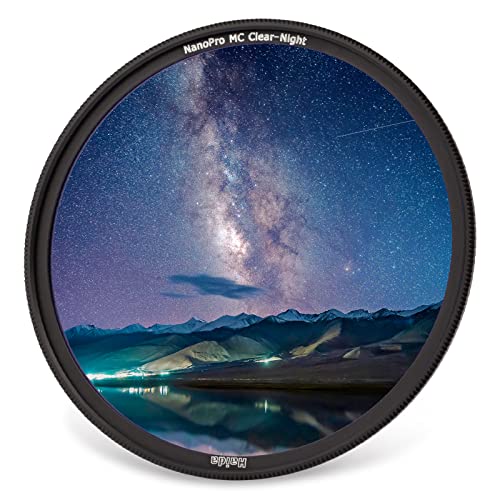
A haida light pollution filter is one of the more practical accessories for stargazers and night photographers who live near towns, highway lights or stadium glow. These filters are built to cut through unwanted sky brightness so faint stars, the Milky Way and deep-sky structure stand out more clearly against the background. The choice comes down to a few factors: the thread or lens diameter that matches your gear, whether the filter is designed for a specific lens mount, how well it suits your typical targets, and how much contrast gain you realistically need. This list compares six Haida clear-night filter listings using those criteria, based on listing specifications, brand reputation and common owner feedback patterns.
Our top picks at a glance
- 1TOP CHOICEBest overallHaida 77MM Clear-Night Filter Light Pollution Source Reduction for Sky/StarView on Amazon
- 2TOP CHOICEBest for compact telephoto lensesHaida 52MM Clear-Night Filter Light Pollution Source Reduction for Sky/StarView on Amazon
- 3TOP CHOICEBest for mid-size lensesHaida 67MM Clear-Night Filter Light Pollution Source Reduction for Sky/StarView on Amazon
- 4
 Best for a specific wide-angle zoomHaida Rear Lens Clear-Night Filter for Sigma 14-24m F2.8 for Sony E/Leica LView on Amazon
- 5Best for large-diameter front threadsHaida 82MM Clear-Night Filter Light Pollution Source Reduction for Sky/StarView on Amazon
- 6Best budget pick for small threadsHaida 58MM Clear-Night Filter Light Pollution Source Reduction for Sky/StarView on Amazon
Our Top Picks
Quick Comparison
| Product | Best for | Key feature |
|---|---|---|
| Haida 77MM Clear-Night Filter | Most common large-thread lenses | 77mm front thread for widely used telephoto and standard zooms |
| Haida 52MM Clear-Night Filter | Compact lenses and small-thread gear | 52mm thread for smaller prime and kit lenses |
| Haida 67MM Clear-Night Filter | Mid-size lenses | 67mm thread that fits many mid-range zooms |
| Haida Rear Lens Clear-Night Filter for Sigma 14-24mm | Sigma 14-24mm F2.8 on Sony E or Leica L | Rear-mounted design matched to one lens model |
| Haida 82MM Clear-Night Filter | Large-diameter front-thread lenses | 82mm thread for big telephoto and specialty optics |
| Haida 58MM Clear-Night Filter | Budget-minded owners with 58mm gear | 58mm thread for common kit and portrait lenses |
Haida 77MM Clear-Night Filter Light Pollution Source Reduction for Sky/Star
Haida 77MM Clear-Night Filter Light Pollution Source Reduction for Sky/Star
Best for: Most common large-thread lenses
This is a good fit for photographers whose lenses use a 77mm front thread and who want one filter that covers a broad range of telephoto and standard zoom lenses.
Key specs
- Front-thread size: 77mm (from the listing name)
- Designed for light pollution source reduction for sky and star photography
Pros
- Matches a widely used filter thread size
- Single filter can be shared across several lenses with the same thread
- Aimed directly at sky and star subjects
Cons
- Only useful if your lenses actually use 77mm threads, or you have step-up rings
- Owners with very wide lenses may need a different format
Bottom line: Pick this if your main lens has a 77mm thread and you want the most versatile choice for night sky work.
View on AmazonHaida 52MM Clear-Night Filter Light Pollution Source Reduction for Sky/Star
Haida 52MM Clear-Night Filter Light Pollution Source Reduction for Sky/Star
Best for: Compact lenses and small-thread gear
Suited to photographers with compact primes, small kit lenses or travel cameras that use a 52mm front thread.
Key specs
- Front-thread size: 52mm (from the listing name)
- Designed for light pollution source reduction for sky and star photography
Pros
- Fits small, lightweight lens setups
- Lower size keeps the rig compact for travel
- Targets sky-brightness reduction in a small footprint
Cons
- Limited to lenses with a 52mm thread
- Owners of larger lenses will need step-up rings, which add bulk
Bottom line: A sensible choice for compact-lens users who want a light pollution filter without a bulky setup.
View on AmazonHaida 67MM Clear-Night Filter Light Pollution Source Reduction for Sky/Star
Haida 67MM Clear-Night Filter Light Pollution Source Reduction for Sky/Star
Best for: Mid-size lenses
A middle-ground size for photographers with mid-range zooms or primes that use a 67mm thread.
Key specs
- Front-thread size: 67mm (from the listing name)
- Designed for light pollution source reduction for sky and star photography
Pros
- Covers a common mid-size thread without going to large diameters
- Balances filter size with handling weight
- Clear sky-focused purpose stated in the listing
Cons
- Only directly fits lenses with 67mm threads
- Step-up rings are needed for lenses with other thread sizes
Bottom line: A practical pick for owners of mid-size lenses who want a moderate-sized filter for night sky shots.
View on AmazonHaida Rear Lens Clear-Night Filter for Sigma 14-24m F2.8 for Sony E/Leica L
Haida Rear Lens Clear-Night Filter for Sigma 14-24m F2.8 for Sony E/Leica L
Best for: Sigma 14-24mm F2.8 on Sony E or Leica L
Designed for one specific wide-angle zoom. It suits photographers using that exact lens on a Sony E or Leica L mount who want a rear-mounted option instead of a front filter.
Key specs
- Lens match: Sigma 14-24mm F2.8 (from the listing name)
- Mount compatibility: Sony E and Leica L (from the listing name)
- Rear-lens design for light pollution source reduction
Pros
- Model-specific fit for a popular wide zoom
- Rear placement avoids the bulk of a large front filter on very wide optics
- Targets sky-brightness reduction for wide night scenes
Cons
- Useless with any other lens, so it limits future flexibility
- Mounting and removing rear filters takes more care than front filters
Bottom line: Choose this only if you shoot the Sigma 14-24mm on a Sony E or Leica L body and want a rear filter for wide Milky Way work.
View on AmazonHaida 82MM Clear-Night Filter Light Pollution Source Reduction for Sky/Star
Haida 82MM Clear-Night Filter Light Pollution Source Reduction for Sky/Star
Best for: Large-diameter front-thread lenses
For lenses with an 82mm front thread, typically large telephoto or specialty optics.
Key specs
- Front-thread size: 82mm (from the listing name)
- Designed for light pollution source reduction for sky and star photography
Pros
- Native fit for large-thread optics without adapters
- Avoids step-up rings that can introduce vignetting
- Clearly labeled for sky and star use
Cons
- Fits only a small number of lenses
- Larger filters add weight and cost more to replace if lost
Bottom line: A targeted choice for owners of 82mm-thread lenses who want to avoid adapter rings.
View on AmazonHaida 58MM Clear-Night Filter Light Pollution Source Reduction for Sky/Star
Haida 58MM Clear-Night Filter Light Pollution Source Reduction for Sky/Star
Best for: Budget-minded owners with 58mm gear
A sensible option for photographers with 58mm kit lenses, portrait primes or older film-era glass who want a light pollution filter without over-buying.
Key specs
- Front-thread size: 58mm (from the listing name)
- Designed for light pollution source reduction for sky and star photography
Pros
- Fits a common kit-lens thread size
- Compact enough for lightweight setups
- Single-purpose design keeps the choice simple
Cons
- Only fits 58mm threads without step-up rings
- Owners with other sizes will need to buy additional filters
Bottom line: A good value-focused pick for 58mm-thread owners who want a dedicated night sky filter.
View on AmazonBuying Guide
Before comparing models, it helps to know which factors matter most for your setup and targets. The points below cover what to check.
Thread or lens diameter
Front-mounted light pollution filters must match the filter thread on your lens exactly. Measure the thread in millimeters or check the number printed on the lens barrel. If your lens does not match a filter you want, step-up rings can bridge the gap, though they add bulk and can cause vignetting on wide lenses.
Good picks for this: Haida 77MM Clear-Night Filter, Haida 58MM Clear-Night Filter
Lens-specific versus universal designs
Some filters are built for one lens model, while others fit any lens with a given thread. Model-specific designs such as rear-lens filters can offer a tighter fit and better handling on certain optics, but they limit flexibility if you change lenses.
Good picks for this: Haida Rear Lens Clear-Night Filter for Sigma 14-24mm, Haida 67MM Clear-Night Filter
Use case and target type
Light pollution filters are generally aimed at sky and star photography. If your work is mostly wide Milky Way frames, a rear-lens option for a wide zoom may suit you. If you shoot a mix of lenses on one body, a standard front-thread size gives more options.
Good picks for this: Haida 77MM Clear-Night Filter, Haida Rear Lens Clear-Night Filter for Sigma 14-24mm
Size and handling
Larger filters are heavier and harder to keep clean and aligned in the cold. Compact sizes are easier to carry on night hikes and travel setups. Consider how often you will swap filters in the dark, since bulky rigs make that harder.
Good picks for this: Haida 52MM Clear-Night Filter, Haida 58MM Clear-Night Filter
Compatibility with your current gear
Check whether you already own lenses with the same thread. Buying a filter that matches several lenses can reduce the number of accessories you need. Step-up rings are a workable fallback, but keep their combined depth in mind to avoid corner darkening.
Good picks for this: Haida 67MM Clear-Night Filter, Haida 82MM Clear-Night Filter
Build quality and durability
Night work often happens in cold, damp conditions with dew forming on glass. Look for filters with a sturdy frame and proper coatings, and keep a lens cap or dew heater on hand. Manufacturers typically specify care instructions for coated optics, so follow them closely.
Good picks for this: Haida 77MM Clear-Night Filter, Haida 82MM Clear-Night Filter
Care and cleaning
Use a blower and a soft lens brush before wiping. Microfiber cloths and approved optical cleaning fluid are the usual recommendation. Avoid household cleaners, which can damage coatings over time.
Good picks for this: Haida 58MM Clear-Night Filter, Haida 52MM Clear-Night Filter
FAQ
What does a light pollution filter actually do?
It blocks specific wavelengths of artificial light, mainly from sodium and some mercury-vapor and LED sources, while passing more of the light from stars and the night sky. The result is usually higher contrast against the background, which can make faint objects easier to see or photograph.
Do I need a light pollution filter in a dark-sky location?
In truly dark skies, the benefit is small because there is little artificial light to block. Filters are most useful in suburban or urban areas where sky glow is significant.
Can I use a light pollution filter for daytime photography?
No. These filters are designed for night sky work. Using them in daylight will change colors and will not serve a useful purpose.
How do I choose the right filter size?
Measure the front-thread diameter of your lens in millimeters, usually printed on the front edge of the barrel. Match the filter to that number, or use a step-up ring if you have a lens with a smaller thread and only one larger filter.
Will a light pollution filter work with a telescope?
Filters sold for camera lenses are designed to screw onto camera optics. Telescope eyepiece and nosepiece filters follow different rules, so check whether a listing is intended for camera or telescope use before buying.
Is a rear-lens filter better than a front filter?
Not necessarily. A rear filter can be a good choice for a specific wide lens where a large front thread would be impractical, but front filters are easier to remove and swap. The better choice depends on your lens.
How much does a light pollution filter change my images?
Expect a shift in color balance and some reduction in overall brightness. Many photographers adjust white balance and exposure in post-processing to compensate. Results vary with sky conditions and camera settings.
Conclusion
For most owners of common large-thread lenses, the Haida 77MM Clear-Night Filter is the most versatile starting point. Owners of compact gear will find the 52MM or 58MM options better matched to their setups, while the 67MM and 82MM filters suit mid-size and large-diameter optics. The Haida Rear Lens Clear-Night Filter for the Sigma 14-24mm is worth considering only if that exact lens and mount are part of your kit. Measure your lens threads first, then choose the size that matches your gear and your typical night sky work.
Sources
- Background on how light pollution affects astronomical observing and sky brightness (nasa.gov)
- Guidance on light pollution sources, sky quality and dark-sky practice
- Information on astronomical sky protection and the effects of artificial light on observing
Before you buy: helpful guides
Related reading
- Top 7 Light Pollution Filters for Phone Compared for Night Sky Photos
- Top 6 Night Sky Light Pollution Filter Picks for Clearer Stars (2026)
- Top 5 Lee Light Pollution Filter Picks Compared for Night Sky Viewing
About Audrey Hayes
Audrey Hayes is part of our editorial team and reviews and edits our telescopes & stargazing guides, checking product details against manufacturer specifications and owner feedback.
About the author
Audrey Hayes writes reviews and buying guides for Astronomy Site.