6 Best 52mm Light Pollution Filter Picks for Night Sky Viewing
Compare 6 of the best 52mm light pollution filter options for night sky viewing and astrophotography, with pros, cons and buying tips to match your gear.
 By Audrey Hayes
Updated November 26, 2026
 By Audrey Hayes
Updated November 2026
A 52mm light pollution filter is one of the most cost-effective ways to darken the background sky when you observe from a suburb or a city edge. Thread-size matters here: a 52mm filter only fits lenses and eyepiece adapters with a matching 52mm thread, so the first step is confirming your filter thread before you shop. The picks below were chosen by comparing manufacturer specifications, brand track record in astrophotography and the feedback patterns owners tend to report, including coating quality, color neutrality, and how well each filter cuts artificial sodium and mercury-vapor glow without dimming faint nebulae too much.
Our top picks at a glance
- 1TOP CHOICEBest overallK&F CONCEPT 52mm Clear Natural Night Filter Pollution ReductionView on Amazon
- 2
 TOP CHOICEBest for camera lenses on a budgetWalking Way 52mm Natural Night Filter for Light Pollution ReductionView on Amazon
- 3
 TOP CHOICEBest for high-contrast star fieldsHOYA 52mm Starscape Astrophotography FilterView on Amazon
- 4
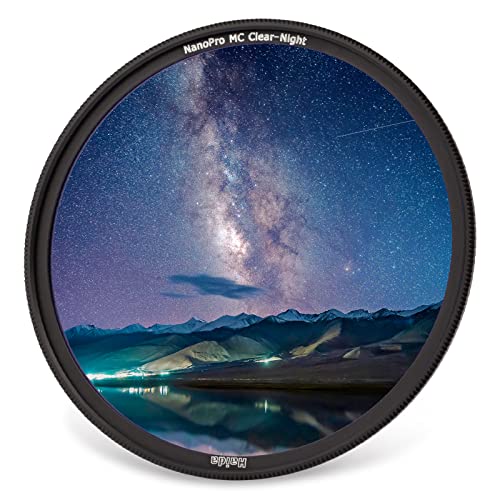 Best for urban sky shootingHaida 52MM Clear-Night Filter Light Pollution Source ReductionView on Amazon
- 5
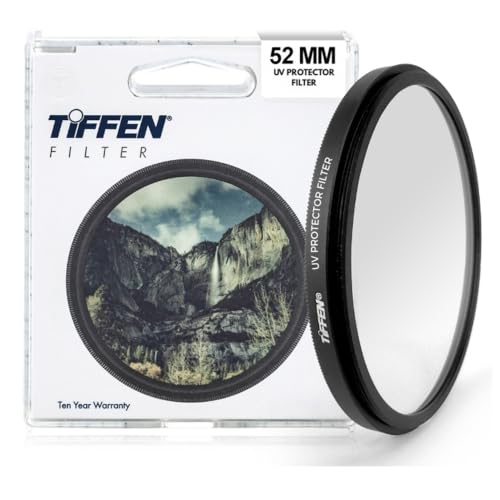 Best for lens protection firstTiffen 52mm UV Protector FilterView on Amazon
- 6
 Best for exposure controlK&F CONCEPT 52mm Variable ND2-400 Lens FilterView on Amazon
Our Top Picks
Quick Comparison
| Product | Best for | Key feature |
|---|---|---|
| K&F CONCEPT 52mm Clear Natural Night Filter | General light pollution reduction | 28 multi-layer coatings for neutral color |
| Walking Way 52mm Natural Night Filter | Budget-minded camera owners | Nano-coated optical glass |
| HOYA 52mm Starscape Astrophotography Filter | Star-to-sky contrast | Multi-layer coating with high light transmission |
| Haida 52MM Clear-Night Filter | Urban and suburban sky shooting | Targets light pollution sources |
| Tiffen 52mm UV Protector Filter | Protecting the front element | Impact and scratch resistant glass |
| K&F CONCEPT 52mm Variable ND2-400 Lens Filter | Adjustable exposure in bright conditions | Variable 1 to 9 stop density |
K&F CONCEPT 52mm Clear Natural Night Filter Pollution Reduction
K&F CONCEPT 52mm Clear Natural Night Filter Pollution Reduction | 28 Multi-Layer Coatings Light Pollution Reduction Filter for Night City Sky Star Shots.No Color Cast Nano-X Series FE707
Best for: General light pollution reduction on a DSLR or mirrorless lens
This filter suits astrophotographers who shoot wide-field star fields and nightscapes from a city edge and want a neutral-looking result without heavy post-processing. The listing describes a multi-layer coating stack intended to suppress artificial light wavelengths while preserving natural star color.
Key specs:
- 52mm filter thread
- Multi-layer coating (listed as 28 layers)
- Designed for night sky and star photography
Pros:
- Coating designed to reduce sodium and mercury-vapor glow
- Owners often report a neutral color cast compared with cheaper night filters
- Fits a common 52mm thread used on many lenses
Cons:
- Coating effectiveness varies with how severe your local light pollution is
- Like all broadband filters, it cannot rescue faint emission nebulae from a very bright city
Bottom line: The most sensible starting point for most people shooting star fields with a camera lens from a light-polluted yard.
View on AmazonWalking Way 52mm Natural Night Filter for Light Pollution Reduction
Walking Way 52mm Natural Night Filter for Light Pollution Reduction Nano-Coated Optical Glass for Night Sky/Astrophotography/Star Clarity Anti-Light Pollution Filter
Best for: Budget-minded camera owners who want a basic night sky filter
This filter is aimed at beginners who want to try light pollution filtering before committing to a higher-end coating stack. It is listed for night sky, astrophotography and star clarity, which fits casual wide-field shooting.
Key specs:
- 52mm filter thread
- Nano-coated optical glass
- Marketed for night sky and astrophotography use
Pros:
- Accessible entry point for testing whether a light pollution filter helps your site
- Nano coating is listed to reduce reflections and flare
- Simple single-purpose design
Cons:
- Fewer published specifics on transmission and layer count than premium options
- Results on severe city skies may be more modest
Bottom line: A reasonable choice if you want to experiment with a 52mm light pollution filter before spending more.
View on AmazonHOYA 52mm Starscape Astrophotography Filter
HOYA 52mm Starscape Astrophotography Filter – Boosts Star-To-Sky Contrast | Multi-Layer Coating Delivers 97%+ Light Transmission, Cutting Reflections And Flare For Clean, High-Contrast Night Imagery
Best for: Boosting star-to-sky contrast in astrophotos
HOYA is a long-established optics brand, and the Starscape line is positioned specifically for night photography. It suits photographers who want clean highlights on stars and a high-contrast sky background.
Key specs:
- 52mm filter thread
- Multi-layer coating
- Listed light transmission above 97%
Pros:
- High listed light transmission helps preserve faint stars
- Multi-layer coating is listed to cut reflections and flare
- Reputable brand with broad lens-filter experience
Cons:
- Older listing style means some specifications are less detailed online
- Works best as a contrast tool rather than a strong suppressor of heavy urban glow
Bottom line: A solid pick for photographers who prioritize star contrast and clean optics.
View on AmazonHaida 52MM Clear-Night Filter Light Pollution Source Reduction
Haida 52MM Clear-Night Filter Light Pollution Source Reduction for Sky/Star
Best for: Urban and suburban sky shooting
Haida is known for filters used in landscape and night photography. This clear-night model is designed to reduce light pollution sources in the frame, which suits shooters working near streetlights or in towns.
Key specs:
- 52mm filter thread
- Designed for sky and star photography
Pros:
- Brand has a strong reputation in landscape and night filters
- Targets light sources rather than only general glow
- Clear glass suits everyday night use
Cons:
- Specific coating details are less documented in the listing
- May still show color shifts under strong sodium lighting
Bottom line: Worth a look for shooters whose main challenge is nearby streetlights.
View on AmazonTiffen 52mm UV Protector Filter
Tiffen 52mm UV Protector Filter 52mm Lens Filter Impact & Scratch Resistant | Ultra Slim Lens filter Clear Optical Glass Reduces the Bluish cast of Daylight Reduces UV light transmission
Best for: Protecting the front element of your lens
This is a protective glass filter rather than a dedicated light pollution filter. It is included because many astrophotographers keep a clear protector on their lens at all times, and it can reduce the bluish cast of daylight and UV haze.
Key specs:
- 52mm filter thread
- Ultra-slim optical glass
- Reduces UV light transmission
Pros:
- Protects the front element from dust, dew and impacts
- Slim profile reduces vignetting risk on wide lenses
- Widely available and well known
Cons:
- Does not suppress artificial light glow the way a dedicated night filter does
- Adds one more glass surface that can produce flare in bright light sources
Bottom line: Choose this for lens protection, and pair it with a true night filter if light pollution is your main issue.
View on AmazonK&F CONCEPT 52mm Variable ND2-400 Lens Filter
K&F CONCEPT 52mm Variable ND2-400 Lens Filter (1-9 Stops) for Camera Lens | Ultra Slim Adjustable Neutral Density Filter with Microfiber Cleaning Cloth (B-Series) FN101
Best for: Adjustable exposure control in bright or twilight conditions
A variable neutral density filter is not a light pollution filter in the strict sense. It is included for photographers who shoot twilight, dusk-to-night transitions or daytime astrophotography and need to manage exposure on a 52mm lens.
Key specs:
- 52mm filter thread
- Variable density range of 1 to 9 stops (ND2-400)
- Ultra-slim adjustable design
Pros:
- Lets you control exposure without changing shutter or ISO
- Slim frame suits wide lenses
- Includes a microfiber cleaning cloth according to the listing
Cons:
- Variable ND filters can produce cross-polarization color shifts at high density
- Does not reduce light pollution glow on its own
Bottom line: Useful as a companion tool for twilight work, not as a substitute for a dedicated light pollution filter.
View on AmazonBuying Guide
Confirm the 52mm thread before buying
Measure or check the filter thread on your lens or adapter. A 52mm filter will not fit a 49mm, 55mm or 58mm thread, and step-up rings add a glass surface that can introduce flare. Check the lens barrel markings or the manufacturer specification for your lens.
Good picks for this: K&F CONCEPT 52mm Clear Natural Night Filter Pollution Reduction, Walking Way 52mm Natural Night Filter
Broadband versus narrowband behavior
Most 52mm light pollution filters are broadband, meaning they reduce a range of artificial wavelengths while passing much of the natural spectrum. Narrowband filters, which are often used with emission nebulae, pass only specific wavelengths and are a different tool. Broadband filters are the right choice for most star fields and wide nightscapes.
Good picks for this: HOYA 52mm Starscape Astrophotography Filter, Haida 52MM Clear-Night Filter
Coating quality and layer count
Multi-layer coatings are the main factor affecting light transmission, reflections and color neutrality. Manufacturers often list layer counts or transmission percentages. Higher transmission means less light lost, which helps faint stars stay visible. Coatings also affect how much flare appears around bright stars.
Good picks for this: K&F CONCEPT 52mm Clear Natural Night Filter Pollution Reduction, HOYA 52mm Starscape Astrophotography Filter
Color neutrality and star color
A filter that adds a magenta, green or blue cast will require extra correction in editing. Owners often report that well-coated filters keep white balance close to neutral. Shoot a few test frames with and without the filter under the same conditions to judge color shifts.
Good picks for this: K&F CONCEPT 52mm Clear Natural Night Filter Pollution Reduction, HOYA 52mm Starscape Astrophotography Filter
Your local light pollution level
A filter helps most when your sky is moderately light-polluted. Under heavy urban glow, no broadband filter can recover the full night sky, and results will be modest. Check a light pollution map to estimate the Bortle class of your site before expecting dramatic change.
Good picks for this: Haida 52MM Clear-Night Filter, Walking Way 52mm Natural Night Filter
Protection and durability
Filters sit at the front of your lens, where dew, dust and accidental bumps are common. Tempered or optical glass is more resistant to scratches than thin resin. Keep a lens cap on when not shooting and clean with a microfiber cloth and lens cleaning solution.
Good picks for this: Tiffen 52mm UV Protector Filter, K&F CONCEPT 52mm Variable ND2-400 Lens Filter
Use case: camera versus telescope
Most 52mm light pollution filters are designed for camera lenses, not telescope eyepieces. Telescope observers usually need filters sized to their eyepiece barrels or threads. If you plan to use one on a telescope, confirm the adapter size before buying.
Good picks for this: K&F CONCEPT 52mm Clear Natural Night Filter Pollution Reduction, HOYA 52mm Starscape Astrophotography Filter
FAQ
What does a 52mm light pollution filter do?
It reduces the transmission of specific artificial light wavelengths, such as those from sodium and mercury-vapor streetlights, so the natural sky background looks darker and stars stand out more against it.
Will a light pollution filter work with a telescope?
Many 52mm filters are made for camera lenses. For telescope use you need a filter that matches your eyepiece barrel or threaded adapter, so check the size before buying.
Can I use a 52mm filter on any lens?
Only if your lens or adapter has a 52mm thread. Measure or check the lens specification first. Step-up or step-down rings can work but may add flare.
Do light pollution filters change star color?
Good filters aim for a neutral look, but a slight tint can appear. Owners often report needing white balance adjustment in editing. Test a few frames to see how your camera handles it.
Is a UV filter the same as a light pollution filter?
No. A UV protector mainly guards the front glass and reduces some UV haze. A light pollution filter is designed to suppress artificial light glow in the night sky.
Will a light pollution filter help in a very bright city?
It helps but cannot fully overcome severe glow. Results depend on your local sky brightness, so use a light pollution map to set realistic expectations.
Should I stack a light pollution filter with other filters?
Stacking adds glass surfaces, which can increase flare and reduce contrast. Use the fewest filters needed, and test your setup before a long session.
Conclusion
For most people shooting star fields with a camera lens from a light-polluted site, the K&F CONCEPT 52mm Clear Natural Night Filter Pollution Reduction is the most sensible starting point, given its multi-layer coating and neutral-color focus. Budget-minded beginners may prefer the Walking Way 52mm Natural Night Filter to test the concept first. If star contrast is the priority, the HOYA 52mm Starscape Astrophotography Filter is a strong option. The Haida 52MM Clear-Night Filter suits shooters near streetlights, while the Tiffen UV Protector and K&F Variable ND2-400 serve protection and exposure needs rather than light pollution suppression directly.
Sources
- Guidance on light pollution, sky brightness and how artificial lighting affects night sky viewing
- Information on natural night skies and the impacts of artificial light in national parks (nps.gov)
- Background on outdoor lighting types, including sodium and LED fixtures that shape urban sky glow (energy.gov)
Before you buy: helpful guides
Related reading
- Top 7 Light Pollution Filters for Phone Compared for Night Sky Photos
- Top 6 Night Sky Light Pollution Filter Picks for Clearer Stars (2026)
- Top 5 Lee Light Pollution Filter Picks Compared for Night Sky Viewing
About Audrey Hayes
Audrey Hayes is part of our editorial team and reviews and edits our telescopes & stargazing guides, checking product details against manufacturer specifications and owner feedback.
About the author
Audrey Hayes writes reviews and buying guides for Astronomy Site.