7 Best Light Pollution Filter 58mm for Night Sky Viewing (2026)
Compare 7 light pollution filter 58mm options for night sky viewing and astrophotography. See key features, pros, cons and who each filter suits best.
 By Audrey Hayes
Updated November 26, 2026
 By Audrey Hayes
Updated November 2026
Finding the right light pollution filter 58mm can make a real difference if you observe or photograph from a backyard, suburb or city edge. The reader’s need is simple: darker skies, better contrast on nebulae and galaxies, and less glow from streetlights and sodium lamps. The selection criteria here are filter type (broadband, natural night, or neodymium/didymium), coating quality, optical glass, fit and threading for 58mm lenses and eyepiece adapters, and how well owners report the filter performs on different targets. Each pick below is research-based, drawn from manufacturer specifications, brand reputation and common owner feedback patterns.
Our top picks at a glance
- 1TOP CHOICEBest overallK&F CONCEPT 58mm Clear Natural Night Filter Pollution ReductionView on Amazon
- 2
 TOP CHOICEBest for natural-color night shotsWalking Way 58mm Natural Night Filter for Light Pollution ReductionView on Amazon
- 3
 TOP CHOICEBest for broadband sky glowHaida 58mm Clear-Night Didymium Filter NanoPro MCView on Amazon
- 4
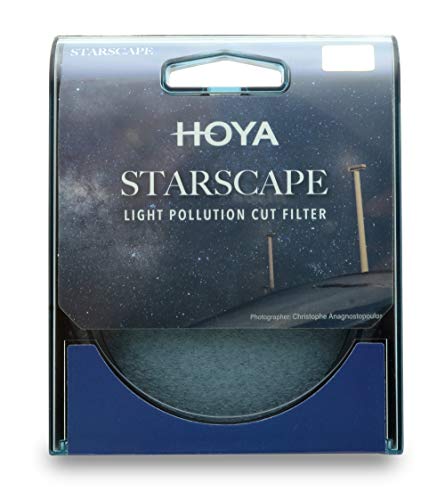 Best for star clarityHoya 58mm Starscape Light Pollution Cut FilterView on Amazon
- 5
 Best for magnetic mountingUrth 58mm Magnetic Neutral Night Lens Filter (Plus)View on Amazon
- 6
 Best for protection plus general useHOYA 58mm NXT Plus UV FilterView on Amazon
- 7
 Best budget pickAmazon Basics UV Protection Camera Lens Filter 58mmView on Amazon
Our Top Picks
| Product | Best for | Key feature |
|---|---|---|
| K&F CONCEPT 58mm Clear Natural Night Filter | Overall light pollution reduction | 28 multi-layer coatings on optical glass |
| Walking Way 58mm Natural Night Filter | Natural-color night photography | Nano-coated optical glass |
| Haida 58mm Clear-Night Didymium Filter | Broadband sky glow reduction | NanoPro MC multi-coating |
| Hoya 58mm Starscape Light Pollution Cut Filter | Star clarity and contrast | Targeted cut of common city lighting wavelengths |
| Urth 58mm Magnetic Neutral Night Lens Filter (Plus) | Quick swaps on the lens | Magnetic ring with 20-layer nano coating |
| HOYA 58mm NXT Plus UV Filter | Lens protection with general use | High light transmission and 10-layer AR coatings |
| Amazon Basics UV Protection Camera Lens Filter 58mm | Budget lens protection | Scratch-resistant basic protection |
K&F CONCEPT 58mm Clear Natural Night Filter Pollution Reduction
K&F CONCEPT 58mm Clear Natural Night Filter Pollution Reduction | 28 Multi-Layer Coatings Light Pollution Reduction Filter for Night City Sky Star Shots.No Color Cast Nano-X Series FE707
Best for: Overall light pollution reduction for night city and suburban sky shots
This filter suits photographers who shoot from urban or suburban locations and want a multi-coated option aimed at reducing artificial sky glow while keeping stars natural in color.
Key specs
- 58mm thread size
- 28 multi-layer coatings, per the listing name
- Nano-X Series, model FE707, per the listing name
Pros
- Designed around city night sky reduction
- Multi-layer coatings aimed at controlling color cast
- Listed as suited to star shots and night sky work
Cons
- Results on heavily lit sites will still depend on exposure and processing
- Broadband designs can dim fainter deep-sky detail
Bottom line: A strong starting point for photographers who want a broadband night filter for city skies.
View on AmazonWalking Way 58mm Natural Night Filter for Light Pollution Reduction
Walking Way 58mm Natural Night Filter for Light Pollution Reduction Nano-Coated Optical Glass for Night Sky/Astrophotography/Star Clarity Anti-Light Pollution Filter
Best for: Natural-color night photography and star clarity
This option fits photographers who care about keeping the sky’s natural tones while still cutting back on orange and white streetlight glow, especially for astrophotography and general night sky work.
Key specs
- 58mm thread size
- Nano-coated optical glass, per the listing name
Pros
- Positioned for natural night sky color
- Nano-coated optical glass for clarity
- Suitable for both astrophotography and star-field work
Cons
- Limited published detail on exact transmission figures
- Still best used with a dark-sky-minded exposure plan
Bottom line: A good match for photographers who want a natural-looking night sky without heavy color shifts.
View on AmazonHaida 58mm Clear-Night Didymium Filter NanoPro MC
Haida 58mm Clear-Night Didymium Filter NanoPro MC Broadband Light Pollution Reduction for Sky/Star HD3704-58
Best for: Broadband sky glow reduction for wide-field and star shots
Photographers who work under heavy urban glow and want a filter from a well-known filter maker often consider Haida’s clear-night line, which uses multi-coating technology designed for sky and star work.
Key specs
- 58mm thread size
- NanoPro MC broadband multi-coating, per the listing name
- Model HD3704-58, per the listing name
Pros
- Established filter brand with a dedicated night-sky line
- Multi-coated design for sky and star work
- Clear model naming makes sizing easy to confirm
Cons
- Didymium-style filtering can shift color in some scenes
- Owners often report the need for white balance correction
Bottom line: A solid choice for photographers who want a brand-backed broadband filter for heavy sky glow.
View on AmazonHoya 58mm Starscape Light Pollution Cut Filter
Hoya 58mm Starscape Light Pollution Cut Filter
Best for: Star clarity and contrast on suburban skies
This Hoya Starscape filter is aimed at astrophotographers who want targeted reduction of common artificial lighting wavelengths, with the goal of sharper stars and more contrast.
Key specs
- 58mm thread size
- Designed as a light pollution cut filter for night sky work
Pros
- Hoya is a long-established optics brand
- Designed specifically for star and sky contrast
- Suits suburban and edge-of-city observing
Cons
- Less effective on fully urban skies with heavy sodium lighting
- Exact transmission data varies by source, so check the packaging
Bottom line: A good fit for suburban astrophotographers who want better star contrast without a strong color shift.
View on AmazonUrth 58mm Magnetic Neutral Night Lens Filter (Plus)
Urth 58mm Magnetic Neutral Night Lens Filter (Plus) | 20-Layer Nano-Coated Neodymium Light Pollution Reduction for Advanced Sky & Star Clarity
Best for: Quick filter swaps with a magnetic mount
Users who switch between filters during a session often prefer magnetic systems, which allow changes without unscrewing. This Urth option pairs a neodymium-based night filter with a 20-layer nano coating.
Key specs
- 58mm thread size
- Magnetic design, per the listing name
- 20-layer nano coating and neodymium light pollution reduction, per the listing name
Pros
- Magnetic mounting makes swaps fast in cold conditions
- Neodymium filtering targets common sodium and mercury lighting
- 20-layer coating aimed at clarity
Cons
- Magnetic rings require a compatible ring on your lens
- Neodymium-style filtering can shift color balance
Bottom line: A practical pick for photographers who change filters often and want a magnetic system.
View on AmazonHOYA 58mm NXT Plus UV Filter
HOYA 58mm NXT Plus UV Filter Schott B270 Glass HMC Multi-Coated Waterproof | 98% Light Transmission, 10-Layer AR Coatings, Low-Profile Aluminum Frame, Stackable Front Threads, Wide-Angle Ready
Best for: Lens protection that doubles as a general-purpose clear filter
This is a UV filter rather than a dedicated light pollution filter. It fits buyers who want a protective front element for their lens and only occasionally shoot the night sky, accepting that it will not cut sky glow in the way the other picks do.
Key specs
- 58mm thread size
- Schott B270 glass, per the listing name
- 10-layer AR coatings and HMC multi-coating, per the listing name
- 98% light transmission, per the listing name
Pros
- High light transmission keeps exposures efficient
- Low-profile aluminum frame for less vignetting
- Waterproof, multi-coated design suited to field use
Cons
- Not designed to reduce light pollution
- Does not address sky glow from city lighting
Bottom line: Best kept on the lens for protection, with a dedicated night filter added when light pollution is the problem.
View on AmazonAmazon Basics UV Protection Camera Lens Filter 58mm
Amazon Basics UV Protection Camera Lens Filter, Scratch Resistant, Photography Filter, Lens Protection, 58mm
Best for: Budget lens protection with no light pollution reduction
This basic UV filter is aimed at shooters who want a simple, low-cost front-element guard. It is not a light pollution filter, so it suits protection and general photography rather than night sky work.
Key specs
- 58mm size
- Scratch-resistant, per the listing name
- UV protection, per the listing name
Pros
- Simple protection for everyday lens use
- Budget-friendly choice for a spare filter
- Scratch-resistant surface
Cons
- Does not reduce artificial sky glow
- Basic coatings compared with multi-coated options
Bottom line: A useful spare for lens protection, but not the right tool for light pollution.
View on AmazonBuying Guide
Filter type: broadband, natural night, or neodymium/didymium
Broadband and natural night filters reduce a wide range of artificial wavelengths and usually keep star colors closer to natural. Neodymium and didymium filters target specific sodium and mercury emission lines, which can be effective on sodium-lit skies but may shift color more. Match the type to your sky: broadband for mixed lighting, narrower types for strong single-line lighting.
Good picks for this: Walking Way 58mm Natural Night Filter, Urth 58mm Magnetic Neutral Night Lens Filter (Plus)
Coating quality and number of layers
Multi-layer and nano coatings help manage reflections, flare and color cast. Manufacturers often cite layer counts, such as 20 or 28 layers, but the number alone does not guarantee performance. Look for multi-coating descriptions and read owner reports on flare and color balance.
Good picks for this: K&F CONCEPT 58mm Clear Natural Night Filter, Haida 58mm Clear-Night Didymium Filter
Optical glass and light transmission
Quality optical glass affects sharpness and contrast. Listings that specify glass type and transmission percentage give you more to compare. High transmission means shorter exposures and less light loss, which matters for faint deep-sky targets.
Good picks for this: HOYA 58mm NXT Plus UV Filter, Walking Way 58mm Natural Night Filter
Thread size and fit
All seven filters here are listed for 58mm threads. Confirm your lens or adapter thread size before buying, and check whether you need a step-up or step-down ring. A 58mm filter will not seat on a lens with a different thread without an adapter.
Good picks for this: Hoya 58mm Starscape Light Pollution Cut Filter, Amazon Basics UV Protection Camera Lens Filter 58mm
Use case: visual observing versus astrophotography
Visual observers often use filters on eyepieces or telescopes, while astrophotographers mount them on camera lenses. A filter that works well for photos may behave differently at the eyepiece, so check whether the product is designed for your setup.
Good picks for this: Hoya 58mm Starscape Light Pollution Cut Filter, Haida 58mm Clear-Night Didymium Filter
Mounting: screw-in versus magnetic
Screw-in filters are sturdy and cheap to replace, but changing them takes time and can scratch threads. Magnetic systems allow quick swaps and reduce handling in the cold, though they need a compatible ring on the lens.
Good picks for this: Urth 58mm Magnetic Neutral Night Lens Filter (Plus), K&F CONCEPT 58mm Clear Natural Night Filter
Durability and care
Front filters take dust, dew and handling. Look for scratch-resistant or waterproof coatings and aluminum frames. Clean with a blower and a microfiber cloth, avoid pressing hard on the glass, and use a lens cap when not observing.
Good picks for this: HOYA 58mm NXT Plus UV Filter, Amazon Basics UV Protection Camera Lens Filter 58mm
FAQ
Will a 58mm light pollution filter work on a telescope?
It depends on how the filter is mounted. Filters designed for camera lenses thread onto 58mm lens fronts or adapters. For telescope eyepieces, you need a filter sized for the eyepiece barrel, so check the specification before buying.
Do light pollution filters remove all sky glow?
No. They reduce certain wavelengths from artificial lighting, which can improve contrast, but they cannot eliminate glow entirely. Dark-sky sites still give the best results.
Will a light pollution filter change star colors?
Some do, especially neodymium and didymium types. Broadband and natural night designs usually keep colors closer to natural, though white balance adjustment is often needed in post-processing.
Is a UV filter the same as a light pollution filter?
No. A UV filter mainly protects the front element and reduces certain ultraviolet haze. It does not target artificial sky glow, so it will not improve night sky contrast the way a dedicated light pollution filter can.
Do I need a filter for every lens I own?
Only if the lens is used for night sky work. Filters add a glass element in front of the lens, which can affect sharpness and flare. Use a filter only when the benefit outweighs these effects.
How do I clean a light pollution filter safely?
Blow off loose dust first, then use a microfiber cloth with a small amount of lens-safe cleaning solution. Avoid abrasive cloths and paper towels, which can scratch coatings.
Conclusion
For most buyers who need a dedicated light pollution filter, the K&F CONCEPT 58mm Clear Natural Night Filter and Haida 58mm Clear-Night Didymium Filter are broad, well-positioned options for city and suburban skies. The Walking Way 58mm Natural Night Filter suits photographers who prioritize natural star color, while the Hoya 58mm Starscape filter suits suburban observers seeking better contrast. The Urth magnetic option makes sense if you swap filters often. The HOYA NXT Plus and Amazon Basics UV filters are protection tools rather than light pollution solutions, so keep them for lens guarding and general use. Match your choice to your sky, your mount and your target, and confirm the 58mm thread before ordering.
Sources
- Guidance on artificial light at night, sky glow measurement and dark-sky practices
- Information on natural night skies and light pollution in national park settings (nps.gov)
- Background on how artificial lighting affects astronomical observing and Earth-based sky brightness (nasa.gov)
Before you buy: helpful guides
Related reading
- Top 7 Light Pollution Filters for Phone Compared for Night Sky Photos
- Top 6 Night Sky Light Pollution Filter Picks for Clearer Stars (2026)
- Top 5 Lee Light Pollution Filter Picks Compared for Night Sky Viewing
- Top 3 Clip in Light Pollution Filters for DSLR and Mirrorless Cameras
About Audrey Hayes
Audrey Hayes is part of our editorial team and reviews and edits our telescopes & stargazing guides, checking product details against manufacturer specifications and owner feedback.
About the author
Audrey Hayes writes reviews and buying guides for Astronomy Site.