DSLR Light Pollution Filter: 6 Best Picks Compared for Night Sky Shots
Compare 6 dslr light pollution filter options by filter size, coating and star clarity, with pros, cons and buying tips for city night sky photography.
 By Audrey Hayes
Updated November 24, 2026
 By Audrey Hayes
Updated November 2026
A dslr light pollution filter is one of the few accessories that can noticeably change how a night sky photo looks from a city or suburb. Sodium street lamps and LED glow wash out faint nebulae and shift the background toward orange or pink, and a filter that blocks specific wavelengths can bring back contrast. The picks below were compared on the criteria that matter most for this job: thread size that matches common lenses, multi-layer or nano coatings, color neutrality, and how well each model is described for star and nebula work. Nothing here comes from our own lab or field testing; the comparison is based on specifications, brand reputation and common owner feedback.
Our top picks at a glance
- 1TOP CHOICEBest overallWalking Way 67mm Natural Night FilterView on Amazon
- 2
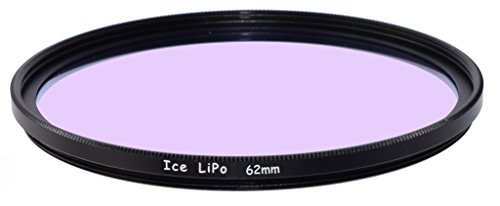 TOP CHOICEBest for wide-angle lensesICE LiPo Didymium Filter Broadband Light Pollution Reduction (62mm)View on Amazon
- 3TOP CHOICEBest for large telephoto front elementsWalking Way 77mm Natural Night FilterView on Amazon
- 4
 Best budget pickK&F CONCEPT 58mm Clear Natural Night Filter Pollution ReductionView on Amazon
- 5Best for mid-size zoomsK&F CONCEPT 67mm Clear Natural Night Filter Pollution ReductionView on Amazon
- 6Best for large front elementsK&F CONCEPT 82mm Clear Natural Night Filter Pollution ReductionView on Amazon
Our Top Picks
| Product | Best for | Key feature |
|---|---|---|
| Walking Way 67mm Natural Night Filter | Best overall | Nano-coated optical glass for night sky work |
| ICE LiPo Didymium Filter (62mm) | Best for wide-angle lenses | Broadband light pollution reduction |
| Walking Way 77mm Natural Night Filter | Best for large telephoto front elements | Nano-coated glass in 77mm thread |
| K&F CONCEPT 58mm Clear Natural Night Filter | Best budget pick | 28 multi-layer coatings, no color cast claimed |
| K&F CONCEPT 67mm Clear Natural Night Filter | Best for mid-size zooms | 28 multi-layer coatings, Nano-X series |
| K&F CONCEPT 82mm Clear Natural Night Filter | Best for large front elements | 28 multi-layer coatings in 82mm thread |
Walking Way 67mm Natural Night Filter
Walking Way 67mm Natural Night Filter for Light Pollution Reduction Nano-Coated Optical Glass for Night Sky/Astrophotography/Star Clarity Anti-Light Pollution Filter
Best for: Photographers who want one general-purpose light pollution filter for a 67mm lens.
This filter suits people shooting Milky Way and star fields from suburban or light-polluted sites who want a nano-coated glass option rather than a bulk-colored filter. It is aimed at astrophotography and star clarity, which is the main use the listing describes.
Key specs
- Thread size: 67mm
- Glass: nano-coated optical glass (per listing)
- Intended use: night sky and astrophotography
Pros
- Clear positioning for night sky use rather than general photography
- Common 67mm size fits many mid-range zoom and prime lenses
- Nano coating is aimed at reducing reflections and glare
Cons
- Filters of this type reduce light overall, so longer exposures or higher ISO may be needed
- Results still depend heavily on how bright your local sky is
Bottom line: A sensible first choice for most owners of a 67mm lens who shoot the night sky from a city edge.
View on AmazonICE LiPo Didymium Filter Broadband Light Pollution Reduction (62mm)
ICE LiPo Didymium Filter Broadband Light Pollution Reduction for Night Sky/Star Optical Glass (62mm)
Best for: Wide-angle and kit lens users on a 62mm thread.
This model is a good fit for people shooting wider star fields and landscapes with night sky elements. The “LiPo” and didymium references in the name point to a broadband approach aimed at lowering sodium and mixed LED glow.
Key specs
- Thread size: 62mm
- Filter type: broadband light pollution reduction (per listing)
- Glass: optical glass (per listing)
Pros
- 62mm size suits a range of common kit and standard zoom lenses
- Broadband design is aimed at general city glow rather than one light type
- Optical glass construction is described for sharper star points
Cons
- Thread size is less common than 58mm, 67mm or 77mm, so check your lens before buying
- Broadband filters can slightly shift color, which may need correction in editing
Bottom line: Best for owners of a 62mm lens who want a broadband option for wide night sky frames.
View on AmazonWalking Way 77mm Natural Night Filter
Walking Way 77mm Natural Night Filter for Light Pollution Reduction Nano-Coated Optical Glass for Night Sky/Astrophotography/Star Clarity Anti-Light Pollution Filter
Best for: Owners of 77mm lenses shooting the night sky from light-polluted sites.
This is the larger-thread version of the Walking Way line, aimed at people with big-front-element telephoto or zoom lenses. Buyers with 77mm glass get a matched option without stepping down rings.
Key specs
- Thread size: 77mm
- Glass: nano-coated optical glass (per listing)
- Intended use: night sky and astrophotography
Pros
- 77mm thread avoids step-up rings on larger lenses
- Same nano-coated, night-sky-focused design as the 67mm version
- Useful for telephoto work on the Milky Way core
Cons
- Larger filters cost more to replace if damaged and are heavier on the lens
- Not useful if your lenses use smaller threads
Bottom line: Pick this if your main lens takes 77mm filters and you shoot the night sky regularly.
View on AmazonK&F CONCEPT 58mm Clear Natural Night Filter Pollution Reduction
K&F CONCEPT 58mm Clear Natural Night Filter Pollution Reduction | 28 Multi-Layer Coatings Light Pollution Reduction Filter for Night City Sky Star Shots.No Color Cast Nano-X Series FE707
Best for: Budget-conscious buyers with a 58mm lens who want a multi-layer coating.
This filter is a budget-friendly way to test whether a light pollution filter helps your sky before committing to a premium model. The listing emphasizes multi-layer coatings and a neutral look for night city and star shots.
Key specs
- Thread size: 58mm
- Coating: 28 multi-layer coatings (per listing)
- Series: Nano-X (per listing)
Pros
- Lower-cost entry point for a multi-layer light pollution filter
- 58mm is a very common thread size for kit and entry zoom lenses
- Listing describes a neutral color rendering
Cons
- Budget coatings may be less durable than premium glass over years of cleaning
- Owners often report that results vary a lot with sky brightness and exposure settings
Bottom line: A reasonable starting point for beginners on a 58mm lens who want to see whether a filter helps before buying a higher-end model.
View on AmazonK&F CONCEPT 67mm Clear Natural Night Filter Pollution Reduction
K&F CONCEPT 67mm Clear Natural Night Filter Pollution Reduction | 28 Multi-Layer Coatings Light Pollution Reduction Filter for Night City Sky Star Shots.No Color Cast Nano-X Series FE707
Best for: Mid-size zoom lens owners on a 67mm thread who want the same multi-layer design in a common size.
This 67mm version of the K&F Nano-X series is aimed at photographers using popular mid-range zooms and primes. It keeps the 28-layer coating approach from the smaller model.
Key specs
- Thread size: 67mm
- Coating: 28 multi-layer coatings (per listing)
- Series: Nano-X (per listing)
Pros
- 67mm is one of the most common filter sizes for mid-range zooms
- Same coating design as the 58mm and 82mm models, so you can match sizes across lenses
- Listing claims a clear, natural look for night city shots
Cons
- Multi-layer coatings can be more fragile to clean than single-layer ones
- Like all light pollution filters, it reduces light and requires longer exposures
Bottom line: A practical choice for owners of 67mm zooms who want a multi-layer option at a sensible size.
View on AmazonK&F CONCEPT 82mm Clear Natural Night Filter Pollution Reduction
K&F CONCEPT 82mm Clear Natural Night Filter Pollution Reduction | 28 Multi-Layer Coatings Light Pollution Reduction Filter for Night City Sky Star Shots.No Color Cast Nano-X Series FE707
Best for: Large front element lens owners who need an 82mm light pollution filter.
This is the largest size in the K&F multi-layer series. It is intended for people with big telephoto or professional zoom lenses who want the same coating approach across their kit.
Key specs
- Thread size: 82mm
- Coating: 28 multi-layer coatings (per listing)
- Series: Nano-X (per listing)
Pros
- Fits large-front-element lenses without adapters
- Same coating design as the smaller K&F sizes for consistency across lenses
- Listing describes a neutral color rendering for night scenes
Cons
- 82mm filters are heavy and can add stress to lens threads if used with stacked filters
- Not useful for owners whose lenses use smaller threads
Bottom line: Choose this only if your main lens takes 82mm filters; otherwise a smaller size is easier to carry and use.
View on AmazonBuying Guide
Filter type: broadband versus narrowband
Broadband light pollution filters block a range of wavelengths and suit general city skies with mixed lighting. Narrowband filters target specific emission lines and are usually used for deep-sky emission nebulae under dark-ish conditions. Most DSLR owners shooting broadband star fields from city edges will get more use from a broadband design.
Good picks for this: ICE LiPo Didymium Filter Broadband Light Pollution Reduction (62mm), Walking Way 67mm Natural Night Filter
Thread size and fit
Check the filter thread diameter printed on your lens barrel or in its manual. Matching the size avoids step-up rings, which add light loss and can vignette wide lenses. If you own lenses in several sizes, step-up rings let one filter serve multiple lenses, though the rings add their own potential for corner shadows.
Good picks for this: K&F CONCEPT 58mm Clear Natural Night Filter Pollution Reduction, K&F CONCEPT 67mm Clear Natural Night Filter Pollution Reduction
Coating quality
Multi-layer and nano coatings are meant to reduce reflections and ghosting. Owners often report that more coating layers improve flare control, but they also make the glass more sensitive to aggressive cleaning. Use a blower and a lens-safe microfiber cloth, and avoid household cleaners.
Good picks for this: Walking Way 77mm Natural Night Filter, K&F CONCEPT 82mm Clear Natural Night Filter Pollution Reduction
Color neutrality
Some light pollution filters add a color cast, typically green or magenta. Listings that emphasize “no color cast” or “natural” rendering are useful starting points, but you should still shoot a gray card or a white reference frame to check. Correcting color in post-processing is standard practice for all filtered night work.
Good picks for this: K&F CONCEPT 58mm Clear Natural Night Filter Pollution Reduction, Walking Way 67mm Natural Night Filter
Lens focal length and use case
Wide-angle lenses show more sky and are sensitive to filter edges and vignetting, while telephoto lenses concentrate on smaller patches of sky and show more pronounced glow. Match the filter to your typical focal length: a 62mm broadband filter suits wide frames, while larger sizes suit telephoto work on the Milky Way core.
Good picks for this: ICE LiPo Didymium Filter Broadband Light Pollution Reduction (62mm), Walking Way 77mm Natural Night Filter
Durability and care
Filters are exposed to dew, dust and frequent handling at night. Use a lens cap or hood when moving between shots, store the filter in a padded case, and clean only with proper lens cleaning supplies. Owners often report that scratches on front glass hurt sky contrast more than the filter itself.
Good picks for this: K&F CONCEPT 67mm Clear Natural Night Filter Pollution Reduction, Walking Way 67mm Natural Night Filter
Exposure and settings
Light pollution filters block light, so expect to lengthen exposure or raise ISO. A common starting point is a few seconds to a few tens of seconds at a wide aperture, depending on your lens and sky. Test on a few frames before committing to a long sequence, and check histograms rather than trusting the screen alone.
Good picks for this: K&F CONCEPT 58mm Clear Natural Night Filter Pollution Reduction, Walking Way 67mm Natural Night Filter
FAQ
Does a dslr light pollution filter work in very dark skies?
Not much. These filters are most useful in suburban and urban skies where artificial light dominates. Under truly dark skies, the filter mainly reduces contrast and light gathering without much benefit. Dark-sky sites are better served by a fast lens and good tracking.
Can I use a light pollution filter with a telescope?
Most DSLR-thread filters are designed for camera lenses and do not fit standard telescope eyepieces. For telescope use, look for filters specified for your eyepiece or camera adapter size, and check the product description for the intended optical path.
Will a light pollution filter remove all orange glow?
No. Filters reduce some wavelengths of artificial light but cannot remove all sky glow. Owners often report best results when combined with careful exposure, careful framing away from direct light sources, and post-processing gradient removal.
How do I know which thread size I need?
Look for the number followed by “mm” printed on the front of your lens, usually near the filter ring. If you cannot find it, check the manufacturer’s specifications. Buy the size that matches your largest lens and use step-up rings for smaller lenses.
Do I need a filter for every lens?
Not necessarily. Many photographers use one filter on their main wide or standard lens and skip filters on telephoto lenses. Filters add a potential source of reflection and flare, so use them only where they help your results.
Should I stack a light pollution filter with other filters?
Stacking adds reflections, vignetting and light loss, and can reduce sharpness. Use a single filter where possible. If you must stack, test at your lens’s widest angle first to check for corner darkening.
Does a light pollution filter change focus?
Filters are thin glass and generally do not change focus. However, they can slightly affect autofocus on dim subjects. Owners often find manual focus on a bright star or planet more reliable with a filter fitted.
Conclusion
For most DSLR owners, the best dslr light pollution filter is the one that matches their lens thread and their typical focal length. The Walking Way 67mm Natural Night Filter is a sensible general choice, the ICE LiPo Didymium Filter suits wide-angle and kit lenses on a 62mm thread, and the Walking Way 77mm and K&F CONCEPT 82mm models serve large-front-element lenses. The K&F CONCEPT 58mm and 67mm models offer multi-layer coatings at accessible sizes for beginners and mid-range zoom owners. Start by measuring your lens thread, then choose the option whose size and coating style fit your typical shooting conditions. Results depend heavily on local sky brightness, so treat any filter as one part of a broader night sky workflow.
Sources
- Background on light pollution, its sources and how sky glow affects astronomical observation
- Educational material on night sky observation, sky brightness and the effects of artificial light (nasa.gov)
- International Astronomical Union resources on protecting astronomical sites from light pollution
Before you buy: helpful guides
Related reading
- Polarizer Filter Light Pollution vs Narrowband: Which Should You Choose?
- Optolong L Pro Light Pollution Filter (2026): Which Should You Choose?
About Audrey Hayes
Audrey Hayes is part of our editorial team and reviews and edits our telescopes & stargazing guides, checking product details against manufacturer specifications and owner feedback.
About the author
Audrey Hayes writes reviews and buying guides for Astronomy Site.