6 Best Nikon Light Pollution Filter Picks Compared for Night Sky Shots
Compare 6 Nikon light pollution filter options for Z-mount and lens use. See key specs, pros, cons and who each filter suits before you buy.
 By Audrey Hayes
Updated November 26, 2026
 By Audrey Hayes
Updated November 2026
Shooting the night sky from a backyard or suburban site usually means fighting sodium and LED glow that washes out faint nebulae and the Milky Way. A good nikon light pollution filter cuts the wavelengths produced by streetlights and city lighting while passing the emission lines that deep-sky objects give off. This guide compares six filters that fit Nikon cameras and lenses, based on manufacturer specifications, brand reputation and the patterns owners tend to describe in their feedback. Selection criteria were thread and size compatibility with Nikon Z-mount and lens setups, filter type (clip-in versus screw-in), coating and glass quality, and how well each design suits night photography versus visual telescope use.
Our top picks at a glance
- 1TOP CHOICEBest overallNiSi 112mm Natural Night, Circular Filter for Nikon Z 14-24mm f/2.8 SView on Amazon
- 2
 TOP CHOICEBest for in-body useKase Clip-in CMOS Neutral Night Filter for Nikon Z Mount Mirrorless CameraView on Amazon
- 3
 TOP CHOICEBest for compact lenses62mm Night Sky Light Pollution Reduction Filter for Camera LensesView on Amazon
- 4
 Best for 77mm lens threadsWalking Way 77mm Natural Night Filter for Light Pollution ReductionView on Amazon
- 5
 Best for clip-in lens useKase Clip-in Filter Neutral Night Didymium for Nikon Z6 Z7 Z9View on Amazon
- 6
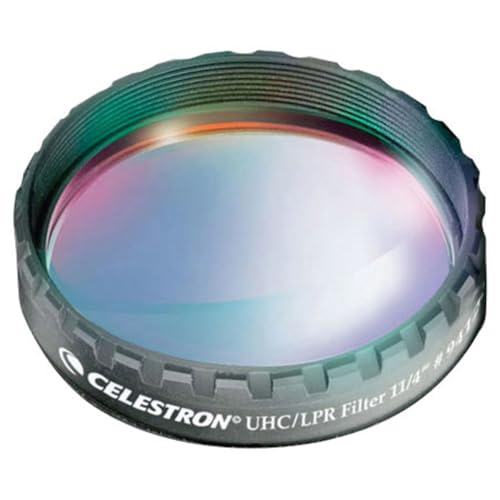 Best for telescope eyepiecesCelestron UHC/LPR Light Pollution Reduction Filter for Telescopes 1.25-inchView on Amazon
Our Top Picks
Quick Comparison
| Product | Best for | Key feature |
|---|---|---|
| NiSi 112mm Natural Night Circular Filter | Large-diameter Nikon Z 14-24mm f/2.8 S | Optical glass with waterproof coating |
| Kase Clip-in CMOS Neutral Night Filter | In-body use on Nikon Z bodies | Clip-in design with shockproof optical glass |
| 62mm Night Sky Light Pollution Reduction Filter | Compact 62mm lens threads | Ultra-slim frame with nano coatings |
| Walking Way 77mm Natural Night Filter | 77mm lens threads | Nano-coated optical glass |
| Kase Clip-in Neutral Night Didymium Filter | Nikon Z6, Z7 and Z9 clip-in use | Didymium-based light pollution reduction |
| Celestron UHC/LPR Light Pollution Reduction Filter | 1.25-inch telescope eyepieces | Enhanced nebula contrast for visual use |
NiSi 112mm Natural Night, Circular Filter for Nikon Z 14-24mm f/2.8 S
NiSi 112mm Natural Night, Circular Filter for Nikon Z 14-24mm f/2.8 S | Light Pollution Color Reducer, Optical Glass, Waterproof Coating – Night + Astro Photography, Compatible w/ Nikon HB-97 Hood
Best for: Wide-angle Milky Way work on the Nikon Z 14-24mm f/2.8 S
This is a large-format circular filter aimed at photographers who already own the 14-24mm zoom and want a dedicated night-sky option for that lens. It suits people shooting wide landscapes under suburban skies.
Key specs
- 112mm circular filter size
- Optical glass construction
- Waterproof coating
- Designed for the Nikon HB-97 hood setup
Pros
- Matches a specific high-demand lens rather than a generic thread size
- Optical glass suits long exposures
- Coating helps with moisture and smudges in night conditions
Cons
- Only useful if you own a compatible 112mm setup
- Large filters add weight and require careful handling
Bottom line: The best fit for owners of the Nikon Z 14-24mm f/2.8 S who want a light pollution filter sized to that lens.
View on AmazonKase Clip-in CMOS Neutral Night Filter for Nikon Z Mount Mirrorless Camera
Kase Clip-in CMOS Neutral Night Filter for Nikon Z Mount Mirrorless Camera | Built-in Light Pollution Reduction Filter for Nikon Z5 Z6 Z6II Z6III Z7 Z7II Z8 Z9 Zf, Shockproof Optical Glass
Best for: In-body filtering on supported Nikon Z mirrorless bodies
This clip-in design sits in front of the sensor rather than on the lens. It is aimed at photographers who want consistent light pollution reduction across different lenses and do not want to swap filters.
Key specs
- Clip-in design for Nikon Z mount bodies
- Shockproof optical glass
- Listed compatibility includes Z5, Z6, Z6II, Z6III, Z7, Z7II, Z8, Z9 and Zf
Pros
- Works across lenses, so one filter covers many setups
- Shockproof glass suits field use
- Broad body compatibility list
Cons
- Clip-in installation requires care to avoid sensor dust
- Owners should confirm their exact body model before ordering
Bottom line: A strong choice for Nikon Z owners who want one filter that works with every lens they own.
View on Amazon62mm Night Sky Light Pollution Reduction Filter for Camera Lenses
62mm Night Sky Light Pollution Reduction Filter for Camera Lenses with MRC16, Nanotec Coatings, Ultra-Slim, Traction Frame, Weather-Sealed by Breakthrough Photography
Best for: Compact lenses with 62mm filter threads
This screw-in filter targets photographers using lenses with 62mm threads. The ultra-slim frame and traction ring are designed to make it easier to attach and remove the filter in the dark.
Key specs
- 62mm filter thread size
- Ultra-slim frame
- Nanotec coatings and MRC16 coating reference
- Weather-sealed design per the listing
Pros
- Slim profile reduces vignetting on wide lenses
- Traction frame helps with gloved or cold-hand handling
- Multi-layer coating suits night imaging
Cons
- Only fits lenses with 62mm threads, so adapters may be needed
- Screw-in filters can be harder to change quickly than clip-in types
Bottom line: Best for photographers whose main lenses take 62mm filters and who want a slim, practical screw-in option.
View on AmazonWalking Way 77mm Natural Night Filter for Light Pollution Reduction
Walking Way 77mm Natural Night Filter for Light Pollution Reduction Nano-Coated Optical Glass for Night Sky/Astrophotography/Star Clarity Anti-Light Pollution Filter
Best for: Lenses and telescope-style setups using 77mm threads
This 77mm filter suits photographers with lenses in that thread size, including many telephoto and general-purpose zooms. It is also a practical pick for shooting star fields where framing needs a wider filter.
Key specs
- 77mm thread size
- Nano-coated optical glass
- Marketed for night sky and star clarity work
Pros
- Common thread size with many Nikon lenses
- Nano coating is aimed at reducing glare and flare
- Good match for telephoto night work
Cons
- Owners report that coating performance varies with the light source
- Specific model details are limited, so check the listing carefully before buying
Bottom line: A practical choice for 77mm lens owners who want a dedicated night filter at that size.
View on AmazonKase Clip-in Filter Neutral Night Didymium for Nikon Z6 Z7 Z9
Kase Clip-in Filter Neutral Night Didymium Light Pollution Dedicated for Nikon Z6 Z7 Z9 Camera
Best for: Clip-in use on Nikon Z6, Z7 and Z9 bodies
This variant uses a didymium-based design, which is intended to block the sodium emission lines common in urban lighting. It is aimed at photographers who shoot in cities with high sodium-vapor streetlights.
Key specs
- Clip-in design for Nikon Z6, Z7 and Z9
- Neutral night / didymium filtering approach
Pros
- Didymium-based approach targets sodium lighting specifically
- Clip-in design keeps the lens side uncluttered
- Useful for city-edge astrophotography
Cons
- Didymium designs can shift color balance, which may need correction in editing
- Compatibility is limited to the listed models
Bottom line: A good match for Z6, Z7 or Z9 owners shooting under sodium streetlights who are comfortable with color correction.
View on AmazonCelestron UHC/LPR Light Pollution Reduction Filter for Telescopes 1.25-inch
Celestron UHC/LPR Light Pollution Reduction Filter for Telescopes – 1.25" | Light Pollution Reduction, Enhanced Nebula Contrast, Darker Sky Background, High Transmission Optical Coating, For Visual Us
Best for: Visual telescope observing through 1.25-inch eyepieces
This filter is designed for visual astronomy rather than camera use. It slides into a 1.25-inch eyepiece or diagonal path and aims to boost contrast on nebulae and galaxies seen through a telescope.
Key specs
- 1.25-inch barrel size
- UHC/LPR broadband coating for light pollution reduction
- High-transmission optical coating per the listing
Pros
- Widely used format for visual observers
- Enhances nebula contrast in light-polluted skies
- Simple to use with standard eyepieces
Cons
- Not suitable for camera lens use
- Reduces brightness of some broadband targets
Bottom line: The right pick for telescope observers who want better nebula contrast from a suburban backyard.
View on AmazonBuying Guide
Lens thread size and mounting type
Check the front thread diameter of your lens before buying. Screw-in filters need an exact match, while clip-in designs skip threads entirely. If your lens uses an unusual size, a step-up or step-down ring can work, though it adds a layer of glass and may cause vignetting on wide lenses.
Good picks for this: 62mm Night Sky Light Pollution Reduction Filter, Walking Way 77mm Natural Night Filter
Filter type: broadband versus narrowband
Broadband light pollution filters cut a wide slice of the spectrum and help with general skyglow. Narrowband filters pass only specific emission lines and work best on nebulae but block much else. Most Nikon light pollution filter options on this list are broadband-style designs, so match the type to your targets.
Good picks for this: Celestron UHC/LPR Light Pollution Reduction Filter, Kase Clip-in CMOS Neutral Night Filter
Clip-in versus screw-in use
Clip-in filters sit in front of the sensor and work across lenses, but they need careful installation to avoid dust. Screw-in filters are simpler to clean and inspect but must be swapped per lens. Decide which workflow suits your shooting habits.
Good picks for this: Kase Clip-in Filter Neutral Night Didymium, NiSi 112mm Natural Night Circular Filter
Glass quality and coatings
Look for optical glass and multi-layer or nano coatings. Coatings affect transmission, flare and color, and better glass generally produces sharper stars. Check whether the manufacturer lists the coating type, since that detail often separates serious night filters from general-purpose ones.
Good picks for this: 62mm Night Sky Light Pollution Reduction Filter, Walking Way 77mm Natural Night Filter
Compatibility with your camera body
Clip-in filters depend on the exact body model, so confirm support for your Z-mount camera before purchase. Some models share sensors or mounts, but the manufacturer’s compatibility list is the safe reference.
Good picks for this: Kase Clip-in CMOS Neutral Night Filter, Kase Clip-in Filter Neutral Night Didymium
Use case: camera or telescope
Camera filters are sized for lens threads or sensors, while telescope filters use 1.25-inch barrels or similar formats. Using the wrong format is the most common mistake, so start with the instrument you actually use most.
Good picks for this: Celestron UHC/LPR Light Pollution Reduction Filter, NiSi 112mm Natural Night Circular Filter
Color balance and editing
Light pollution filters shift color, and didymium-style designs can produce noticeable tints. Plan for white balance correction in post-processing and shoot raw files so you have room to adjust. Test your setup on a familiar target before a major session.
Good picks for this: Kase Clip-in Filter Neutral Night Didymium, 62mm Night Sky Light Pollution Reduction Filter
FAQ
What is a nikon light pollution filter used for?
A nikon light pollution filter reduces the wavelengths produced by artificial lighting, such as sodium and mercury vapor streetlights, so faint deep-sky objects and the Milky Way stand out more against the sky background.
Do I need a light pollution filter for astrophotography from a city?
In heavily lit areas, a filter helps most. Under dark rural skies, you may not notice much benefit, and some filters can slightly alter color or reduce brightness of certain targets.
Can I use a camera light pollution filter on a telescope?
Generally no. Camera filters are sized for lens threads or sensors, while telescope filters are designed for eyepiece barrels such as 1.25-inch formats. Use a telescope-specific filter for visual observing.
Will a light pollution filter work on all Nikon lenses?
Not automatically. Screw-in filters must match the front thread diameter, and clip-in filters depend on your camera body model. Check both the lens thread size and the manufacturer’s compatibility list.
Does a light pollution filter change the color of photos?
Yes, most filters shift color to some degree, and didymium-style designs can be pronounced. Shoot in raw format and plan for white balance correction when editing.
Is a clip-in filter better than a screw-in filter?
Neither is better in every case. Clip-in filters work across lenses but require careful installation to avoid dust. Screw-in filters are easier to inspect but need a separate filter for each lens size.
How should I clean a light pollution filter?
Use a blower to remove loose dust, then a microfiber cloth or lens-cleaning solution suited to optical coatings. Avoid abrasive materials, and follow the manufacturer’s care instructions to protect the coating.
Conclusion
For Nikon Z mirrorless owners who want one filter across lenses, the clip-in Kase options are the most practical starting point. Photographers with a Nikon Z 14-24mm f/2.8 S will find the NiSi 112mm model sized for that lens. Owners of 62mm or 77mm lenses should choose the screw-in Walking Way or 62mm filters that match their threads. Telescope observers who want better nebula contrast from suburban skies should look at the Celestron UHC/LPR filter. Confirm thread size and body compatibility before ordering, and plan for color correction in your editing workflow.
Sources
- Background on outdoor lighting, skyglow and how artificial light affects night-sky visibility
- Night sky protection programs and information on dark-sky preservation in national parks (nps.gov)
- Information on lighting types and efficiency, including the spectra of common streetlights (energy.gov)
Before you buy: helpful guides
- Lumicon Light Pollution Filter: How It Works and Where It Helps
- Light Pollution Gel Filter: How It Works and How to Use One (2026)
- Light Pollution Filter 1.25 Inch: A Practical Guide (2026)
- Idas D2 Light Pollution Suppression Filter: Setup and Buying Guide
- Gskyer 70mm Astronomical Refractor Telescope: Setup and First-Light Guide
Related reading
About Audrey Hayes
Audrey Hayes is part of our editorial team and reviews and edits our telescopes & stargazing guides, checking product details against manufacturer specifications and owner feedback.
About the author
Audrey Hayes writes reviews and buying guides for Astronomy Site.