Camera Tracking Mount for Astrophotography: 6 Best Picks Compared (2026)
Compare 6 camera tracking mounts for astrophotography, from compact star trackers to full GoTo EQ mounts, with specs, pros, cons and who each one suits.
 By Colin Foster
Updated November 11, 2026
 By Colin Foster
Updated November 2026
A camera tracking mount for astrophotography solves one problem: it turns the sky’s slow rotation into a steady, compensating motion so your camera can take long exposures without stars smearing into streaks. Without tracking, most lenses give you only a few seconds before Earth’s rotation starts to show. With a good tracker, you can often go for minutes at a time. This guide compares six mounts sold on Amazon, judged on payload capacity, polar alignment options, portability, the level of automation (manual versus GoTo), and how well each suits a beginner or a wide-field photographer.
Our top picks at a glance
- 1TOP CHOICEBest overalliOptron SkyGuider Pro Camera Mount Full PackageView on Amazon
- 2
 TOP CHOICEBest for simple, budget-friendly setupsiOptron SkyTracker Pro Camera Mount with Polar Scope, OnlyView on Amazon
- 3
 TOP CHOICEBest for lightweight gearEquatorial Mount Star Tracker with Ball-Head GimbalView on Amazon
- 4
 Best for GoTo automationSky-Watcher Star Adventurer GTI Mount Head KitView on Amazon
- 5
 Best for a complete field kitSky-Watcher Star Adventurer GTI Mount Kit with Tripod and Pier ExtensionView on Amazon
- 6
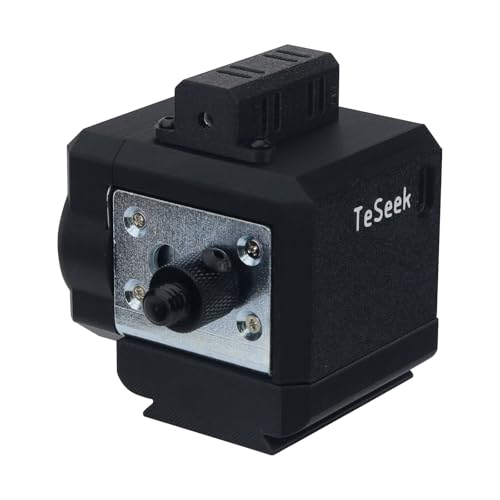 Best for time-lapse workEquatorial Mount with PETG-CF HousingView on Amazon
Our Top Picks
The table below summarizes the six mounts. Each entry that follows goes into more detail. Specifications are drawn from listing names and manufacturer-published information where available. Where we were not confident about a specific figure, we left it out rather than guess.
Quick Comparison
| Product | Best for | Key feature |
|---|---|---|
| iOptron SkyGuider Pro Camera Mount Full Package | Most users wanting a complete starter kit | Full package with tripod and head |
| iOptron SkyTracker Pro Camera Mount with Polar Scope, Only | Users who already own a tripod | Built-in polar scope for alignment |
| Equatorial Mount Star Tracker with Ball-Head Gimbal | Lightweight camera and lens setups | Ball-head gimbal for framing |
| Sky-Watcher Star Adventurer GTI Mount Head Kit | Automated GoTo tracking in the field | GoTo capability with WiFi control |
| Sky-Watcher Star Adventurer GTI Mount Kit with Tripod and Pier Extension | Portable all-in-one observing and imaging | Complete kit with tripod and pier extension |
| Equatorial Mount with PETG-CF Housing | Time-lapse and long-duration shooting | Integrated high-brightness polar pointer |
iOptron SkyGuider Pro Camera Mount Full Package
iOptron SkyGuider Pro Camera Mount Full Package
Best for: Most users wanting a complete starter kit
This is a good fit for photographers who want a single purchase that covers the mount, tripod and head, rather than assembling pieces from different sources. It suits DSLR and mirrorless users shooting wide-field Milky Way and star-trail images with standard camera lenses.
Key specs
- Full package including mount, tripod and head (per listing name)
- Designed for camera tracking with standard photographic lenses
Pros
- Complete package reduces the number of separate purchases
- Well suited to wide-angle astrophotography
- Pairs naturally with the iOptron naming family of trackers
Cons
- Full package adds bulk compared with a head-only option
- Polar alignment still requires patience for beginners
Bottom line: A strong choice if you want one purchase that gets you tracking quickly, especially for wide-field shooting.
View on AmazoniOptron SkyTracker Pro Camera Mount with Polar Scope, Only
iOptron SkyTracker Pro Camera Mount with Polar Scope, Only
Best for: Simple, budget-friendly setups
This version is the mount head without a tripod, aimed at people who already own a sturdy tripod. It works well for those who want to keep costs and weight down while still getting a polar scope for accurate alignment.
Key specs
- Mount head with built-in polar scope (per listing name)
- Requires a separate tripod
Pros
- Lower overall bulk if you already have a tripod
- Polar scope supports more accurate alignment than eyeballing
- Simple, manual operation keeps setup understandable
Cons
- You must source a suitable tripod separately
- No GoTo automation, so framing and tracking are manual
Bottom line: Best for photographers who already own a tripod and want a straightforward, polar-aligned tracker.
View on AmazonEquatorial Mount Star Tracker with Ball-Head Gimbal
Equatorial Mount Star Tracker with Ball-Head Gimbal for Astrophotography
Best for: Lightweight camera and lens setups
The ball-head gimbal makes it easier to frame and level the camera precisely, which helps when you are composing a Milky Way shot. It suits travel photographers carrying a compact mirrorless body and a light lens.
Key specs
- Equatorial star tracker design (per listing name)
- Ball-head gimbal for camera positioning
Pros
- Ball head gives fast, smooth framing adjustments
- Compact enough for travel with a light camera
- Suits wide-field exposures on modest focal lengths
Cons
- Light payload means heavier telephoto lenses are not a good match
- Owners often recommend checking the exact load rating before buying
Bottom line: A practical traveler’s tracker for lightweight mirrorless setups and wide-angle sky work.
View on AmazonSky-Watcher Star Adventurer GTI Mount Head Kit
Sky Watcher Star Adventurer GTI Mount Head Kit with Counterweight and CW bar – Full GoTo EQ Tracking Mount for Portable and Lightweight Astrophotography
Best for: Automated GoTo tracking in the field
The GTI line is built around GoTo control, which lets you slew to targets and track them automatically. It is a good choice for photographers who want to spend less time fussing with alignment and more time shooting.
Key specs
- Full GoTo EQ tracking mount head (per listing name)
- Includes counterweight and CW bar (per listing name)
- Designed for portable and lightweight astrophotography
Pros
- GoTo automation simplifies target finding
- Counterweight system helps balance the camera properly
- Designed with portability in mind
Cons
- Head-only kit requires a separate tripod
- GoTo features add setup steps for first-time users
Bottom line: Ideal for those who want automated tracking and already have, or plan to buy, a tripod.
View on AmazonSky-Watcher Star Adventurer GTI Mount Kit with Tripod and Pier Extension
Sky Watcher Sky-Watcher Star Adventurer GTI Mount Kit with Counterweight, CW bar, Tripod, and Pier Extension – Full GoTo EQ Tracking Mount for Portable and Lightweight Astrophotography
Best for: Portable all-in-one observing and imaging
This version adds a tripod and pier extension to the GTI head and counterweight, making it a complete field kit. It suits photographers who set up at different dark-sky sites and want everything in one package.
Key specs
- Full GoTo EQ tracking mount with counterweight and CW bar (per listing name)
- Includes tripod and pier extension (per listing name)
Pros
- Everything needed in one purchase
- Pier extension helps with height and clearance
- GoTo control supports quick target acquisition
Cons
- Larger, heavier package than head-only options
- Full-kit setup takes more time to learn
Bottom line: The best fit for field photographers who want a complete, GoTo-enabled kit they can carry to dark sites.
View on AmazonEquatorial Mount with PETG-CF Housing
Equatorial Mount with PETG-CF Housing (Integrated Built-in High-Brightness Pointer), for Astrophotography, Time-Lapse Photography
Best for: Time-lapse and long-duration shooting
The integrated high-brightness pointer and PETG-CF housing are aimed at users who run extended sessions and need consistent alignment. It suits time-lapse photographers tracking the sky over hours.
Key specs
- Integrated built-in high-brightness pointer (per listing name)
- PETG-CF housing (per listing name)
Pros
- Built-in pointer simplifies polar alignment
- Lightweight housing material suits portable use
- Designed with time-lapse work in mind
Cons
- Specific payload limits should be confirmed in the listing
- Less established brand recognition than the larger names above
Bottom line: A useful option for time-lapse shooters who value an integrated pointer and a light housing.
View on AmazonBuying Guide
Payload capacity
Payload is the maximum weight the mount can carry while tracking accurately. Add up your camera body, lens, and any filter or guide scope. Manufacturers typically specify a rated payload, and it is wise to stay below that rating with some margin, because heavier loads reduce tracking accuracy and stress the drive.
Good picks for this: Equatorial Mount Star Tracker with Ball-Head Gimbal, iOptron SkyGuider Pro Camera Mount Full Package
Manual versus GoTo control
Manual trackers require you to point the mount at the celestial pole and find targets yourself. GoTo mounts can slew to objects automatically once aligned. GoTo saves time at the eyepiece or in the field, but it adds setup steps and relies on accurate initial alignment.
Good picks for this: Sky-Watcher Star Adventurer GTI Mount Head Kit, Sky-Watcher Star Adventurer GTI Mount Kit with Tripod and Pier Extension
Polar alignment aids
Accurate polar alignment keeps stars from drifting during long exposures. Look for a built-in polar scope or pointer. A polar scope gives the most precise alignment, while an integrated pointer offers a faster, simpler starting point for beginners.
Good picks for this: iOptron SkyTracker Pro Camera Mount with Polar Scope, Only, Equatorial Mount with PETG-CF Housing
Tripod and stability
A wobbly tripod ruins tracking. Check whether the mount includes a tripod or whether you must supply one. If you buy a head only, choose a tripod rated well above your total load and ensure it locks firmly. A pier extension can help with height and clearance for some setups.
Good picks for this: iOptron SkyGuider Pro Camera Mount Full Package, Sky-Watcher Star Adventurer GTI Mount Kit with Tripod and Pier Extension
Portability and weight
If you travel to dark sites on foot or by car, weight and packed size matter. Head-only mounts and lighter housings suit mobile shooting. Full kits give convenience at the cost of bulk. Decide how far you will carry the gear before choosing.
Good picks for this: Equatorial Mount Star Tracker with Ball-Head Gimbal, Equatorial Mount with PETG-CF Housing
Use case: wide-field versus telephoto
Wide-field Milky Way work with standard lenses is forgiving. Telephoto imaging of deep-sky objects demands better tracking accuracy and often guiding. Match the mount to your focal length, and be realistic about the accuracy the mount can deliver at longer focal lengths.
Good picks for this: iOptron SkyGuider Pro Camera Mount Full Package, Sky-Watcher Star Adventurer GTI Mount Head Kit
Build quality and care
Keep the mount clean and dry, store the gears protected, and avoid forcing the drive past its limits. Owners often report that regular inspection of the counterweight bar and tightening of locks prevents slippage. Materials such as composite housings can reduce weight, but check how the mount handles temperature changes and humidity.
Good picks for this: Equatorial Mount with PETG-CF Housing, iOptron SkyTracker Pro Camera Mount with Polar Scope, Only
FAQ
What does a camera tracking mount do?
It rotates the camera at the same rate and direction as the sky, cancelling Earth’s rotation. This lets you take long exposures of stars without trails, typically far longer than a fixed tripod allows.
Do I need a tracking mount for the Milky Way?
Not always. Short exposures with a fast lens can capture the Milky Way without tracking. Tracking lets you use longer exposures for more detail and less noise, and it becomes important for telephoto work.
What is polar alignment and why does it matter?
Polar alignment means pointing the mount’s rotation axis at the celestial pole. Accurate alignment keeps stars from drifting during long exposures. A polar scope or pointer makes this much easier.
Is a GoTo mount necessary?
No, but it saves time. GoTo mounts can slew to objects automatically after alignment. Manual mounts are simpler and lighter, and many photographers prefer them for wide-field work.
Can I use any camera with these mounts?
Most mounts work with DSLR and mirrorless cameras and standard photographic lenses. Always check the payload rating against your total camera and lens weight before buying.
Should I buy a head only or a full kit?
Buy a head only if you already own a stable tripod that suits the load. Choose a full kit if you want everything in one purchase and plan to shoot at different locations.
Do I need a tripod for a tracking mount?
Yes, a stable tripod is essential. A flimsy tripod causes vibration and tracking errors that show up as blurred stars.
Conclusion
For most people starting out, the iOptron SkyGuider Pro Camera Mount Full Package offers a complete setup for wide-field work. If you already own a tripod, the iOptron SkyTracker Pro Camera Mount with Polar Scope, Only keeps things simple and accurate. Photographers who want automation should look at the Sky-Watcher Star Adventurer GTI line, with the full kit better suited to field use. Travelers with light cameras will find the Equatorial Mount Star Tracker with Ball-Head Gimbal convenient, and time-lapse shooters may prefer the Equatorial Mount with PETG-CF Housing. Match the payload, control style and portability to how you shoot.
For a broader comparison of mount-and-camera pairings, see Camera Mount for Astrophotography: 6 Best Picks for Star Tracking (2026). If you are deciding on the camera body itself, Mirrorless Camera for Astrophotography: 6 Best Picks Compared (2026) covers sensor and high-ISO considerations. For settings once everything is mounted, Manual Camera Settings for Astrophotography: 6 Best Guides Compared (2026) walks through exposure choices. Those using a phone can compare options in iPhone Camera Settings for Astrophotography: A Step-by-Step Guide.
Sources
- Background on the night sky, celestial motion and the apparent rotation of the stars (nasa.gov)
- Guidance on dark-sky sites and minimizing light pollution during night photography (nps.gov)
- International Astronomical Union resources on celestial coordinates and the celestial pole
Related reading
About Colin Foster
Colin Foster is part of our editorial team and reviews and edits our telescopes & stargazing guides, checking product details against manufacturer specifications and owner feedback.
About the author
Colin Foster writes reviews and buying guides for Astronomy Site.