6 Best German Equatorial Mounts for Astrophotography and Visual Observing (2026)
Compare the best German equatorial mount options for astrophotography and visual observing. See specs, pros, cons and who each mount suits before you buy.
 By Colin Foster
Updated November 22, 2026
 By Colin Foster
Updated November 2026
Choosing the best German equatorial mount comes down to payload capacity, tracking accuracy, how much setup time you can tolerate, and whether you plan to image or observe visually. A German equatorial mount (GEM) is a mount that sits on a polar axis aligned with Earth’s rotation axis, which lets it follow the stars with a single motorized axis. The six mounts below were compared on manufacturer specifications, brand reputation, the kinds of setups each is designed for, and patterns reported by owners.
Our top picks at a glance
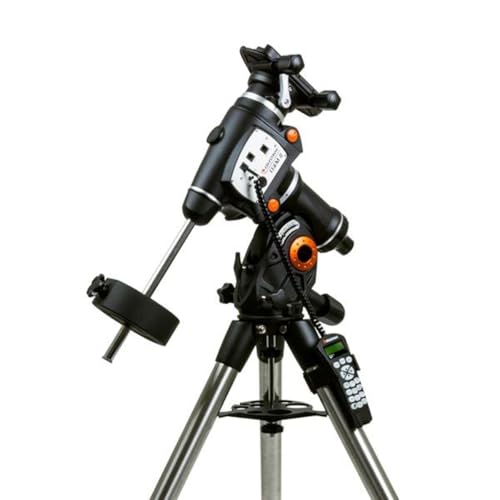
- 1TOP CHOICEBest overallCelestron CGEM II Computerized Equatorial Mount & TripodView on Amazon
- 2
 TOP CHOICEBest for GoTo imaging with a wireless appExplore Scientific iEXOS-100-2 PMC-Eight GoTo Equatorial Mount and TripodView on Amazon
- 3
 TOP CHOICEBest for beginners on a budgetCelestron Advanced VX Computerized German Equatorial MountView on Amazon
- 4
 Best for manual tracking and visual useCelestron CG-4 Manual German Equatorial Mount with Steel TripodView on Amazon
- 5
 Best for heavy multi-scope setupsSky-Watcher AZ-EQ6 MountView on Amazon
- 6
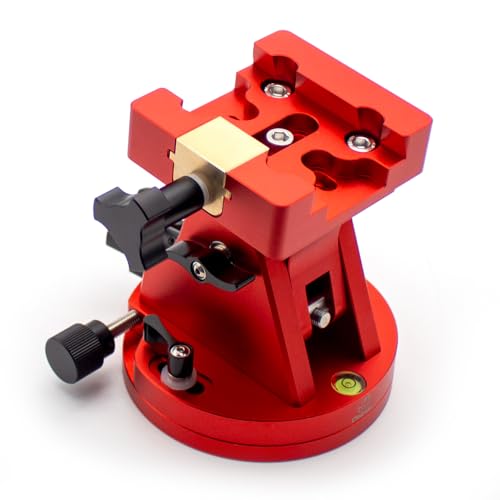 Best for upgrading an existing rigEquatorial Mount Base with Latitude AdjustmentView on Amazon
Our Top Picks
Quick Comparison
| Product | Best for | Key feature |
|---|---|---|
| Celestron CGEM II Computerized Equatorial Mount & Tripod | Overall GoTo performance | 40 lb payload, belt-driven gears, All-Star polar alignment |
| Explore Scientific iEXOS-100-2 PMC-Eight GoTo Equatorial Mount | Wireless app-controlled imaging | WiFi and Bluetooth control, PMC-Eight system |
| Celestron Advanced VX Computerized German Equatorial Mount | Beginners moving into GoTo | 30 lb payload, NexStar+ hand control |
| Celestron CG-4 Manual German Equatorial Mount | Manual tracking and visual use | Slow-motion controls, steel tripod |
| Sky-Watcher AZ-EQ6 Mount | Heavier loads and dual-mode use | 44 lb payload, EQ and AZ modes |
| Equatorial Mount Base with Latitude Adjustment | Adding a polar-aligned base to existing gear | High load capacity, dovetail slot |
Celestron CGEM II Computerized Equatorial Mount & Tripod
Celestron CGEM II Computerized Equatorial Mount & Tripod – 40lb Payload | Belt-Driven Gears, All-Star Polar Alignment, 40,000+ Object Database, NexStar+ Hand Control, Precision GoTo Performance
Best for: Overall GoTo performance for astrophotography and visual observing
This mount suits observers who want computerized pointing and tracking without moving up to a much larger mount. It is a common choice for medium-sized refractors and short-tube Newtonians with a camera attached.
Key specs
- Payload: 40 lb (per listing)
- Belt-driven gears
- All-Star polar alignment
- NexStar+ hand control with a 40,000+ object database
Pros
- Generous payload for its class
- All-Star polar alignment reduces setup effort
- Large object database makes finding targets straightforward
Cons
- Tripod and counterweights add significant weight to transport
- Serious imaging still requires a guiding setup for long exposures
Bottom line: A strong first choice for someone who wants GoTo performance and a generous payload in one package.
View on AmazonExplore Scientific iEXOS-100-2 PMC-Eight GoTo Equatorial Mount and Tripod
Explore Scientific iEXOS-100-2 PMC-Eight GoTo Equatorial Mount and Tripod | WiFi and Bluetooth app control, star tracker for astrophotography, eight-CPU PMC-Eight system, ExploreStars app
Best for: GoTo imaging with wireless app control
This is aimed at imagers who want to plan, slew and track from a phone or tablet. It fits observers comfortable with a computerized system and an app-based workflow.
Key specs
- WiFi and Bluetooth app control
- PMC-Eight eight-CPU control system
- Designed for star tracking and astrophotography
Pros
- Wireless control reduces cable clutter in the field
- Dedicated app supports planning and object selection
- Well suited to camera-based tracking
Cons
- App and firmware workflow has a learning curve
- Wireless connections can be less reliable than wired hand controllers in crowded RF environments
Bottom line: A good pick for app-first imagers who want wireless control and will invest time learning the software.
View on AmazonCelestron Advanced VX Computerized German Equatorial Mount
Celestron Advanced VX Computerized German Equatorial Mount – 30lb Payload | Ideal Beginner EQ Setup, Precision GoTo Tracking, NexStar+ Hand Control, Perfect for Imaging or Advanced Visual Astronomy
Best for: Beginners who want computerized GoTo on a German equatorial design
The Advanced VX is often recommended to newcomers who have outgrown a basic alt-azimuth mount. It handles a typical beginner refractor or small reflector and gives room to add a camera later.
Key specs
- Payload: 30 lb (per listing)
- Precision GoTo tracking
- NexStar+ hand control
Pros
- Accessible entry into German equatorial mounting
- Precision GoTo tracking suits both imaging and visual use
- Handset interface is straightforward for first-time users
Cons
- Lower payload than the CGEM II limits larger optical tubes
- Polar alignment takes patience for first-time setups
Bottom line: A sensible starting point for beginners who want a true equatorial mount with computerized control.
View on AmazonCelestron CG-4 Manual German Equatorial Mount with Steel Tripod
Celestron CG-4 Manual German Equatorial Mount with Steel Tripod | Smooth Manual Tracking, Precision Slow-Motion Controls, Heavy-Duty Steel Tripod, Adjustable Latitude, Accepts Motor Drive
Best for: Manual tracking and visual observing with slow-motion control
This mount suits observers who prefer hands-on control and a simpler, lower-cost electronics setup. It is also a reasonable base for adding a motor drive later.
Key specs
- Manual German equatorial design
- Precision slow-motion controls on both axes
- Steel tripod with adjustable latitude
- Accepts a motor drive
Pros
- Smooth manual tracking for visual sessions
- Steel tripod adds stability
- Upgradable with a motor drive
Cons
- No GoTo; you must find objects manually
- Long-exposure imaging needs a motor drive or guiding
Bottom line: Best for visual observers and those who want to learn the sky by hand before adding automation.
View on AmazonSky-Watcher AZ-EQ6 Mount
Sky Watcher Sky-Watcher AZ-EQ6 Mount – Multi-Purpose GoTo SynScan Dual OTA Mount – EQ and Dual AZ Modes – 44 Pound Payload Capacity (S30330)
Best for: Heavier loads and users who want both equatorial and alt-azimuth modes
The AZ-EQ6 is aimed at observers with heavier optics or multiple tubes who want flexibility between tracking modes. It suits users comfortable with a larger, more substantial mount.
Key specs
- Payload: 44 lb (per listing)
- EQ and dual AZ modes
- SynScan GoTo control
Pros
- High payload capacity
- Two operating modes add versatility
- Supports dual optical tube configurations
Cons
- Heavier and bulkier to transport than smaller mounts
- Mode switching and setup add complexity for newcomers
Bottom line: A good fit for observers with heavier gear who want the option to switch between equatorial and alt-azimuth tracking.
View on AmazonEquatorial Mount Base with Latitude Adjustment
Equatorial Mount Base with Latitude Adjustment High Load Capacity Dovetail Slot Anti-Detachment Design
Best for: Adding a latitude-adjustable equatorial base to existing equipment
This is a base-style product rather than a complete mount with its own control system. It suits people who already have a compatible tripod or pier and want a dovetail-based platform with latitude adjustment.
Key specs
- Latitude adjustment
- High load capacity
- Dovetail slot with anti-detachment design
Pros
- Dovetail slot and anti-detachment design add security
- Latitude adjustment supports proper polar alignment
- Can be a lower-cost route to an equatorial platform
Cons
- Not a complete mount; drive and control hardware must be sourced separately
- Compatibility with your tripod and dovetail plates should be checked carefully
Bottom line: Worth considering for experienced observers who already own tripods and drives and want a dedicated equatorial base.
View on AmazonBuying Guide
Payload capacity
Payload is the combined weight of your optical tube, camera, counterweights and accessories. Manufacturers specify maximum payloads for the mount, but reliable tracking usually requires staying well below that figure, especially for astrophotography where wind and balance matter. Add up your gear before comparing listings.
Good picks for this: Celestron CGEM II Computerized Equatorial Mount & Tripod, Sky-Watcher AZ-EQ6 Mount
GoTo versus manual control
GoTo mounts slew to objects automatically using an onboard database, which speeds up finding targets. Manual mounts rely on slow-motion controls and star charts. GoTo is valuable for imaging sessions where time is limited; manual control suits observers who enjoy learning the sky.
Good picks for this: Celestron Advanced VX Computerized German Equatorial Mount, Celestron CG-4 Manual German Equatorial Mount with Steel Tripod
Polar alignment method
Accurate polar alignment is essential for long exposures and smooth tracking. Some mounts offer assisted methods that reduce setup time, while others require manual alignment with a polar scope. Check which method a mount supports and whether it matches your patience and experience level.
Good picks for this: Celestron CGEM II Computerized Equatorial Mount & Tripod, Celestron Advanced VX Computerized German Equatorial Mount
Wired versus wireless control
Wireless app control can simplify field setup and let you monitor the mount from a phone, but connection stability depends on your environment. Wired hand controllers are generally more predictable. Consider where you observe and how comfortable you are with software-based workflows.
Good picks for this: Explore Scientific iEXOS-100-2 PMC-Eight GoTo Equatorial Mount and Tripod
Tripod and stability
A mount is only as steady as its tripod. Steel tripods are heavier but generally stiffer than aluminum, and wider leg spreads resist wobble. Check the stated latitude range and whether the tripod matches the mount’s load rating.
Good picks for this: Celestron CG-4 Manual German Equatorial Mount with Steel Tripod, Sky-Watcher AZ-EQ6 Mount
Portability and weight
Heavier mounts offer stability but are harder to carry to dark sites. If you travel to observe, weigh the full package including counterweights and tripod. Many observers split the load across multiple trips or use a rolling case.
Good picks for this: Celestron Advanced VX Computerized German Equatorial Mount, Equatorial Mount Base with Latitude Adjustment
Upgrade path and accessories
Consider whether the mount accepts a motor drive, guide port, or additional accessories as your interests grow. A mount that can be upgraded avoids replacing the whole system later.
Good picks for this: Celestron CG-4 Manual German Equatorial Mount with Steel Tripod, Equatorial Mount Base with Latitude Adjustment
FAQ
What is a German equatorial mount?
A German equatorial mount is a telescope mount with a polar axis aligned to the celestial pole and a declination axis that holds the optical tube. Once aligned, one motorized axis can track objects as Earth rotates. It is widely used for astrophotography.
Do I need a GoTo mount for astrophotography?
Not strictly, but GoTo makes finding and centering targets much faster. Many imagers use computerized mounts with autoguiding to hold stars steady during long exposures.
How accurate does polar alignment need to be?
Accuracy requirements depend on focal length and exposure time. Longer focal lengths and longer exposures are more sensitive to alignment errors. Many observers use an assisted alignment routine built into their mount’s software.
Can I use a German equatorial mount for visual observing?
Yes. Equatorial mounts track the sky smoothly, which helps keep objects centered at higher magnifications. Manual models suit visual observers who enjoy hands-on control.
How much payload should I plan for?
Add the weight of your optical tube, camera, guide scope, counterweights and accessories. Manufacturers list maximum payloads, but many users keep their setup comfortably under that limit for steadier tracking.
Is a used German equatorial mount a good idea?
It can be, if the gears, bearings and electronics have been well maintained. Check for play in the axes, test all motors and confirm the control system works before buying.
Conclusion
For most people, the Celestron CGEM II offers the best balance of payload, GoTo performance and setup convenience among these six. Imagers who want wireless app control should look at the Explore Scientific iEXOS-100-2. Beginners moving into computerized mounting will find the Celestron Advanced VX a practical starting point, while visual observers who prefer hands-on control may prefer the Celestron CG-4. Observers with heavier gear should consider the Sky-Watcher AZ-EQ6, and experienced users with existing drives may find the latitude-adjustable base a useful addition.
Sources
- Background on Earth's rotation and celestial coordinates, useful for understanding why polar alignment matters (nasa.gov)
- The American Astronomical Society's resources on observing, education and amateur astronomy
Related reading
- 3 Best German Equatorial Mount Telescope Picks for 2026
- iOptron iEQ30 Pro Equatorial Mount Review: 4 Best Options Compared (2026)
- When Was the German Equatorial Mount Invented? History and Origins
- Top 6 Tripods for Equatorial Mount Picks for Every Observer (2026)
About Colin Foster
Colin Foster is part of our editorial team and reviews and edits our telescopes & stargazing guides, checking product details against manufacturer specifications and owner feedback.
About the author
Colin Foster writes reviews and buying guides for Astronomy Site.