Zeiss Binoculars for Astronomy: 5 Best Picks Compared (2026)
Looking for zeiss binoculars for astronomy? We compare five Zeiss models on magnification, aperture, field of view and what each one shows you under a dark sky.
 By Audrey Hayes
Updated November 18, 2026
 By Audrey Hayes
Updated November 2026
Zeiss binoculars for astronomy are a strong choice for stargazers who want sharp optics, good light transmission and comfortable handling without moving up to a telescope. The picks below are based on product listings, brand reputation and common owner feedback patterns, with the focus on magnification, aperture, field of view and how each model suits night-sky observing.
Our top picks at a glance
- 1TOP CHOICEBest overallZEISS Conquest HDX Binoculars 10×42View on Amazon
- 2
 TOP CHOICEBest for compact travelZeiss 8×32 Terra ED Binoculars (Black)View on Amazon
- 3
 TOP CHOICEBest for wide sky sweepsZEISS Terra ED Binoculars 10×42 GreenView on Amazon
- 4
 Best for eyeglass wearersZEISS Victory SF Binoculars 8×42View on Amazon
- 5
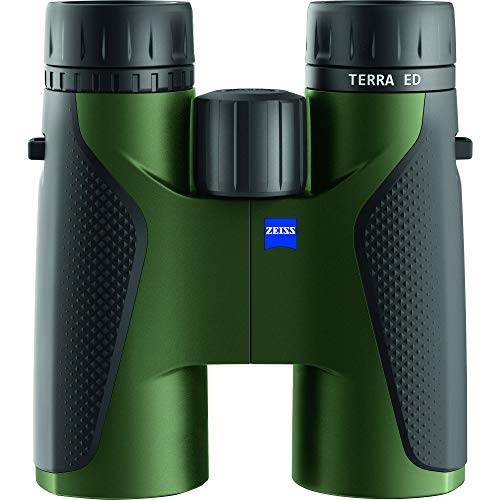 Best for a classic 10×42 optionZeiss 10×42 Terra ED Binoculars (Green)View on Amazon
Our Top Picks
| Product | Best for | Key feature |
|---|---|---|
| ZEISS Conquest HDX 10×42 | General astronomy | HD coated glass |
| Zeiss 8×32 Terra ED | Compact travel | Light, small footprint |
| ZEISS Terra ED 10×42 Green | Wide sky sweeps | Fast focusing, waterproof |
| ZEISS Victory SF 8×42 | Eyeglass wearers | Long eye relief |
| Zeiss 10×42 Terra ED Green | Classic 10×42 viewing | Balanced magnification |
ZEISS Conquest HDX Binoculars 10×42
ZEISS Conquest HDX Binoculars 10×42 with HD Coated Glass for All Weather | Compact, LotuTec T* Waterproof Binoculars for Bird Watching and Hunting
Best for: General astronomy with a good balance of brightness and steadiness.
This 10×42 model suits observers who want a versatile pair for the Moon, star clusters and the brighter Messier objects. Its 42 mm objective gathers enough light for most deep-sky targets from a moderately dark site.
Pros
- HD coated glass for good contrast
- Waterproof build for damp nights
Cons
- Heavier than compact models
Zeiss 8×32 Terra ED Binoculars (Black)
Zeiss 8×32 Terra ED Binoculars (Black) with Zeiss Lens Cleaning Kit Bundle
Best for: Compact travel and a quick grab-and-go session.
A small 8×32 pair fits a jacket pocket and works well for a first look at the Pleiades, the Double Cluster and the Milky Way’s brighter regions. Expect a slightly dimmer view than 42 mm glass under the same sky.
Pros
- Lightweight and easy to hold steady
- Wide field for sweeping star fields
Cons
- Smaller objective gathers less light
ZEISS Terra ED Binoculars 10×42 Green
ZEISS Terra ED Binoculars 10×42 Compact Waterproof and Fast Focusing, Green | Coated Glass for Optimal Clarity in all Weather Conditions for Bird Watching, Hunting, Travel and Sightseeing
Best for: Wide sky sweeps and fast focusing between targets.
The Terra ED line is aimed at general outdoor use, and its focus speed helps when you jump between a bright planet and a faint cluster. Owners often mention the comfortable grip during long sessions.
Pros
- Fast focusing mechanism
- Waterproof and fog-resistant construction
Cons
- Limited eye relief for some eyeglass wearers
ZEISS Victory SF Binoculars 8×42
ZEISS Victory SF Binoculars, 8×42 | 8×42, waterproofing, field of view at 1,000 yards 18mm eye relief, eye relief with lightweight design for optima
Best for: Eyeglass wearers who want full field views.
The 8×42 format keeps the image steady and bright, and the long eye relief lets glasses-wearers see the full field without pressing against the eyecups. It is a sound choice for Moon watching and large open clusters.
Pros
- Long eye relief of 18 mm per the listing
- Lightweight for its aperture
Cons
- Lower magnification limits planetary detail
Zeiss 10×42 Terra ED Binoculars (Green)
Zeiss 10×42 Terra ED Binoculars (Green)
Best for: A classic 10×42 pair for planets and star clusters.
Ten-power magnification shows Jupiter’s largest moons and the rings of Saturn as small smudges from a steady hand. It is a practical middle ground between wide-field and high-power viewing. For another angle, check out 3 Best 3D Astronomy Spacewalker Binoculars Compared for Stargazing.
Pros
- Good balance of magnification and field
- Waterproof design
Cons
- Hand-holding at 10x can be shaky without a mount
Buying Guide
Aperture and light gathering
The first number after the x is the objective diameter in millimeters, and larger apertures collect more light. A 42 mm objective generally shows more faint deep-sky detail than a 32 mm one under the same sky.
Magnification and steadiness
Higher power brings out more detail but magnifies hand shake. For handheld use, 8x or 10x is easier to keep steady than 15x or higher.
Eye relief for eyeglass wearers
If you wear glasses, check the stated eye relief. Longer eye relief lets you see the full field without pressing your eyes against the eyecups.
Weather sealing and coatings
Waterproof and fog-resistant construction matters for dew-prone nights. Multi-coated optics help with contrast and reduce stray reflections.
Good picks for this: ZEISS Conquest HDX 10×42 and ZEISS Victory SF 8×42
Related reading
- What Size Binoculars for Astronomy? A Practical Guide
- Used Astronomy Binoculars for Sale: 5 Best Picks Compared
- Telescope vs Binoculars for Astronomy: Which Should You Choose?
- Stabilized Binoculars for Astronomy: 5 Best Picks Compared (2026)
- Orion Resolux 15×70 Waterproof Astronomy Binoculars: A Practical Guide (2026)
- Orion Mini Giant 15×63 Astronomy Binoculars: A Practical Guide (2026)
About Audrey Hayes
Audrey Hayes is part of our editorial team and reviews and edits our telescopes & stargazing guides, checking product details against manufacturer specifications and owner feedback.
About the author
Audrey Hayes writes reviews and buying guides for Astronomy Site.