5 Best ZWO Cameras for Astrophotography Picks Compared (2026)
Compare five ZWO cameras for astrophotography, from planetary and deep-sky color sensors to a smart telescope. See what each is best for before you buy.

 By Ava Thornton
Updated November 2026
Choosing a zwo camera for astrophotography comes down to what you want to photograph, what telescope you already own, and how much of the imaging chain you want to handle yourself. A planetary camera, a cooled deep-sky sensor and an all-in-one smart telescope solve very different problems. The five models below were compared on sensor type, cooling, resolution, pixel format and the kind of target each one suits best, using manufacturer specifications and the patterns owners commonly describe in their reviews. No unit was tested for this article.
Our top picks at a glance
- 1TOP CHOICEBest overallZWO ASI585MC AIR Cooled Color Astronomy Camera w/Built-in Guide CameraView on Amazon
- 2
 TOP CHOICEBest for planetary imagingZWO ASI662MC 2.1 Megapixel USB3.0 Color Astronomy Camera for AstrophotographyView on Amazon
- 3
 TOP CHOICEBest for narrowband deep-sky workZWO ASI533MM-Pro 9 Megapixel USB3.0 Monochrome Astronomy Camera for AstrophotographyView on Amazon
- 4
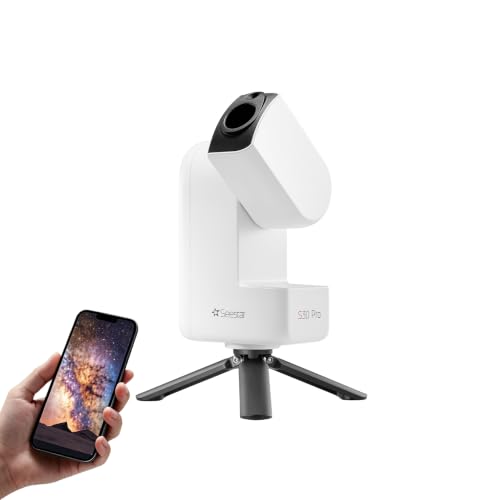 Best for beginners who want an all-in-one systemZWO Seestar S30 Pro Smart Telescope, App-Controlled Astrophotography |View on Amazon
- 5
 Best budget pick for color imagingZWO ASI715MC 8.46 MP CMOS Color Astronomy Camera with USB 3.0View on Amazon
Our Top Picks
Quick Comparison
| Product | Best for | Key feature |
|---|---|---|
| ZWO ASI585MC AIR Cooled Color Astronomy Camera | Deep-sky color imaging with a full setup | Cooled sensor with built-in guide camera |
| ZWO ASI662MC 2.1 Megapixel USB3.0 Color Astronomy Camera | Planetary and lunar imaging | Small sensor and high frame rates |
| ZWO ASI533MM-Pro 9 Megapixel USB3.0 Monochrome Astronomy Camera | Narrowband deep-sky imaging | Monochrome sensor at 9 megapixels |
| ZWO Seestar S30 Pro Smart Telescope | Beginners wanting automated sky imaging | App-controlled GoTo and auto tracking |
| ZWO ASI715MC 8.46 MP CMOS Color Astronomy Camera | Budget-minded color imaging | 8.46 MP color CMOS sensor over USB 3.0 |
ZWO ASI585MC AIR Cooled Color Astronomy Camera w/Built-in Guide Camera & ASIAir with Power Supply
ZWO ASI585MC AIR Cooled Color Astronomy Camera w/Built-in Guide Camera & ASIAir with Power Supply
Best for: Deep-sky color imaging with a complete, guided setup
This is a fit for imagers who plan long exposures on nebulae and galaxies and want a cooled sensor to control thermal noise. The bundled guide camera and power supply are useful for people building a complete rig rather than assembling parts one at a time.
Key specs
- Cooled CMOS color sensor (per the listing name, AIR cooled)
- Built-in guide camera
- Includes ASIAir with power supply
Pros
- Active cooling supports longer exposures with less thermal noise
- Built-in guide camera reduces the number of separate devices to manage
- Bundled ASIAir streamlines capture and sequencing
Cons
- A complete setup needs a mount, a suitable telescope and a power plan, so the total outlay grows quickly
- Owners often mention a learning curve when first configuring guiding and sequences
Bottom line: Best for imagers who want a cooled, guided system for deep-sky work and are ready to invest in the surrounding gear.
View on AmazonZWO ASI662MC 2.1 Megapixel USB3.0 Color Astronomy Camera for Astrophotography
ZWO ASI662MC 2.1 Megapixel USB3.0 Color Astronomy Camera for Astrophotography
Best for: Planetary and lunar imaging
Planetary imagers typically shoot short videos at high frame rates and stack the best frames. A small-pixel color sensor like this one suits that workflow, and it is a common choice for people who want to photograph Jupiter, Saturn and the Moon through a long-focus telescope.
Key specs
- 2.1 megapixel color sensor
- USB 3.0 interface
Pros
- Fast readout suits high-frame-rate planetary video
- Compact sensor works well at long focal lengths
- Straightforward to connect to a laptop with USB 3.0
Cons
- The small field of view makes it a poor match for wide-field deep-sky targets
- Owners doing deep-sky work often find they need a larger sensor
Bottom line: Best for planetary and lunar imagers who want sharp, high-frame-rate captures and do not need a large field.
View on AmazonZWO ASI533MM-Pro 9 Megapixel USB3.0 Monochrome Astronomy Camera for Astrophotography
ZWO ASI533MM-Pro 9 Megapixel USB3.0 Monochrome Astronomy Camera for Astrophotography
Best for: Narrowband deep-sky imaging
A monochrome sensor records every photon as a grayscale value, so it works with filter sets such as Ha, OIII and SII. Imagers who plan to combine narrowband channels into false-color images often choose a monochrome camera over a color one.
Key specs
- 9 megapixel monochrome sensor
- USB 3.0 interface
Pros
- Monochrome sensor captures full resolution for each filter channel
- Good match for narrowband filter workflows
- Higher resolution than the planetary option for framing deep-sky targets
Cons
- Requires a filter wheel and a set of filters, which adds cost and complexity
- Monochrome imaging takes longer because each channel must be captured separately
Bottom line: Best for experienced imagers planning narrowband deep-sky projects with a filter wheel.
View on AmazonZWO Seestar S30 Pro Smart Telescope, App-Controlled Astrophotography | 4K Dual Camera, Auto Tracking & GoTo, One-Tap Capture & Processing, Milky Way & Star Trail, Deep Sky & Wide-Field Imaging
ZWO Seestar S30 Pro Smart Telescope, App-Controlled Astrophotography | 4K Dual Camera, Auto Tracking & GoTo, One-Tap Capture & Processing, Milky Way & Star Trail, Deep Sky & Wide-Field Imaging
Best for: Beginners who want an all-in-one system with automated sky imaging
This is a smart telescope rather than a standalone camera. It handles pointing, tracking and processing through a phone app, which lowers the barrier for newcomers who would otherwise need to learn mounts, guiding and stacking separately.
Key specs
- 4K dual camera, per the listing name
- Auto tracking and GoTo
- App-controlled capture and one-tap processing
Pros
- Automated GoTo and tracking reduce setup time
- One-tap capture and processing suits people who want results without a long learning curve
- Covers both wide-field scenes such as the Milky Way and deep-sky targets
Cons
- Less control over individual settings than a dedicated camera and mount setup
- Owners who want to grow into advanced techniques may outgrow the automated workflow
Bottom line: Best for newcomers who want a simple, app-driven system and are not yet interested in manual control.
View on AmazonZWO ASI715MC 8.46 MP CMOS Color Astronomy Camera with USB 3.0
ZWO ASI715MC 8.46 MP CMOS Color Astronomy Camera with USB 3.0# ASI715MC
Best for: Budget-minded color imaging
Imagers who want a color CMOS sensor with more resolution than a planetary camera, but without moving to a cooled model, often look at this type of sensor. It can cover both planetary and some deep-sky work depending on the telescope and focal length.
Key specs
- 8.46 megapixel color CMOS sensor
- USB 3.0 interface
Pros
- Higher resolution than the 2.1 megapixel planetary option
- Versatile across planetary and some deep-sky targets
- Uses USB 3.0 for fast data transfer
Cons
- Uncooled operation means thermal noise is harder to control on long exposures
- Owners doing serious deep-sky work often add a cooled model later
Bottom line: Best for imagers who want a versatile color camera without the cost of a cooled sensor, and who mainly shoot planets or shorter deep-sky exposures.
View on AmazonBuying Guide
Sensor type: planetary, color CMOS or monochrome
Planetary work favors small, fast color sensors. Deep-sky work with narrowband filters favors monochrome. Broadband color deep-sky imaging works with a color sensor, but a cooled one gives cleaner long exposures.
Good picks for this: ZWO ASI662MC 2.1 Megapixel USB3.0 Color Astronomy Camera, ZWO ASI533MM-Pro 9 Megapixel USB3.0 Monochrome Astronomy Camera
Cooling
Cooling reduces thermal noise on long exposures, which matters most for deep-sky imaging. Uncooled cameras can still produce good results with shorter exposures and good calibration frames.
Good picks for this: ZWO ASI585MC AIR Cooled Color Astronomy Camera, ZWO ASI715MC 8.46 MP CMOS Color Astronomy Camera
Sensor size and pixel scale
Check how your telescope’s focal length and the camera’s pixel size combine to set your image scale. Small pixels suit planets; larger fields suit deep-sky targets. Mismatched sampling is a common reason images look soft.
Good picks for this: ZWO ASI662MC 2.1 Megapixel USB3.0 Color Astronomy Camera, ZWO ASI533MM-Pro 9 Megapixel USB3.0 Monochrome Astronomy Camera
Interface and data transfer
USB 3.0 provides the throughput needed for high-frame-rate video capture. Confirm that your laptop, cables and any hub support USB 3.0, since a slower connection can cap frame rates.
Good picks for this: ZWO ASI715MC 8.46 MP CMOS Color Astronomy Camera, ZWO ASI533MM-Pro 9 Megapixel USB3.0 Monochrome Astronomy Camera
Use case: planets, deep sky or wide field
Decide what you shoot most. Planetary imaging needs high frame rates and fine sampling. Deep sky needs cooling, guiding and more integration time. Wide-field Milky Way work favors lenses and simple tracking.
Good picks for this: ZWO Seestar S30 Pro Smart Telescope, ZWO ASI585MC AIR Cooled Color Astronomy Camera
Ease of use and automation
Smart telescopes and bundled controllers reduce setup work, while a standalone camera gives more control but more to learn. Consider how much time you want to spend on configuration versus imaging.
Good picks for this: ZWO Seestar S30 Pro Smart Telescope, ZWO ASI585MC AIR Cooled Color Astronomy Camera
Durability and care
Keep the sensor window clean and capped when not in use, and store the camera in a dry place. Cooled cameras need time to warm up before disassembly, and cables should be strain-relieved at the connector to avoid intermittent faults.
Good picks for this: ZWO ASI715MC 8.46 MP CMOS Color Astronomy Camera, ZWO ASI662MC 2.1 Megapixel USB3.0 Color Astronomy Camera
FAQ
What is the best zwo camera for astrophotography for beginners?
For many beginners, the ZWO Seestar S30 Pro Smart Telescope is the most approachable option because it handles pointing, tracking and processing through an app. A standalone camera like the ASI585MC suits people who want to learn the full imaging chain.
Do I need a cooled camera for deep-sky imaging?
Cooling is helpful on long exposures because it reduces thermal noise, but many imagers start with uncooled cameras and good calibration frames. Cooling becomes more valuable as exposure times and ambient temperature swings increase.
Which zwo camera is best for planetary imaging?
A small, fast color sensor such as the ZWO ASI662MC is typically chosen for planets because it supports high frame rates and fine sampling at long focal lengths.
Is a monochrome camera better than a color camera?
Not in every case. Monochrome cameras are preferred for narrowband filter work and for sharper per-channel data. Color cameras are simpler to use for broadband targets and quick sessions.
Does USB 3.0 matter for astrophotography cameras?
Yes, especially for planetary video capture, where high data rates allow more frames per second. Make sure your computer, cable and any hub all support USB 3.0 to get the rated speed.
What else do I need besides the camera?
Most setups also need a telescope, a mount that can track accurately, a way to focus, and software for capture and stacking. Guiding and a filter wheel may be needed for longer deep-sky projects. For more on lens and filter choices, see Camera Filters for Astrophotography: 8 Best Picks Compared (2026).
How do I choose between a standalone camera and a smart telescope?
A smart telescope is simpler and more automated, while a standalone camera gives you control over every setting and component. If you plan to grow into advanced techniques, a standalone camera with your own mount is usually the more flexible path. You can compare related options in Digital Camera for Astrophotography: 6 Best Picks for Beginners (2026) and Camera Mount for Astrophotography: 6 Best Picks for Star Tracking (2026).
Conclusion
There is no single best zwo camera for astrophotography for every imager. The ASI585MC suits deep-sky imagers building a cooled, guided system. The ASI662MC fits planetary work. The ASI533MM-Pro is the choice for narrowband projects with a filter wheel. The Seestar S30 Pro is the simplest entry point for beginners. The ASI715MC offers versatile color imaging for those who are not yet ready to invest in cooling. Match the camera to the targets you shoot most, and confirm that your telescope, mount and computer can support it.
Sources
- Background on planets, the Moon and deep-sky objects that imagers commonly photograph (nasa.gov)
- Guidance on observing and imaging practices from a professional astronomy association
- Educational material on telescopes and how light is captured in astronomy
Related reading

About Ava Thornton
Ava focuses on practical advice for telescopes & stargazing: what matters before you buy, what to skip, and how to get more out of what you already own.
About the author
Ava Thornton writes reviews and buying guides for Astronomy Site.