3 Best Used German Equatorial Mounts for Beginners (2026)
Looking for a used German equatorial mount? Compare three options by specs, build, and owner feedback, with a checklist for buying secondhand safely.
 By Colin Foster
Updated November 22, 2026
 By Colin Foster
Updated November 2026
If you want to do long-exposure astrophotography or follow deep-sky objects through an eyepiece without constant nudging, a used german equatorial mount can deliver far more tracking performance per dollar than a new mount of the same class. The catch is that secondhand gear hides wear in gears, bearings, and counterweight bars, so the search needs a clear set of criteria. This list compares three real, Amazon-listed products on payload rating, tracking method, build style, and the kinds of owner feedback that come up repeatedly, so you can judge which one fits your telescope and your sky.
Our top picks at a glance
- 1TOP CHOICEBest overallSky-Watcher Sky-Watcher AZ-EQ6 Mount – Multi-Purpose GoTo SynScan Dual OTA MountView on Amazon
- 2
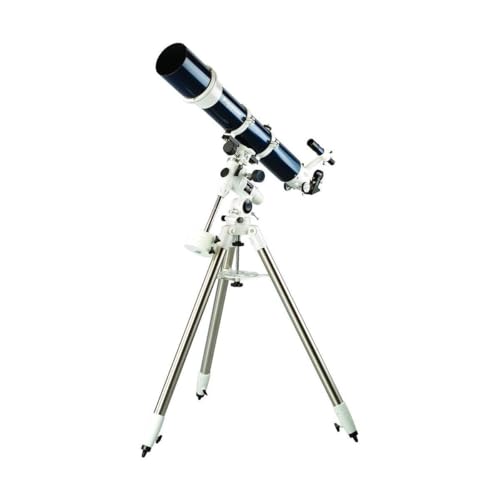 Best for a light refractor setupCelestron Omni XLT 120mm Refractor Premium CG-4 Mount TelescopeView on Amazon
- 3
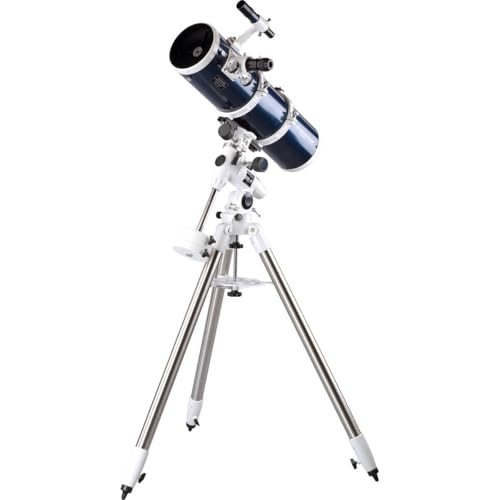 Best for a larger reflectorCelestron 31057 Omni XLT 150 Reflector Telescope, Dark BlueView on Amazon
Our Top Picks
| Product | Best for | Key feature |
|---|---|---|
| Sky-Watcher Sky-Watcher AZ-EQ6 Mount | Heavier setups and astrophotography | Switchable EQ and alt-azimuth modes with SynScan GoTo |
| Celestron Omni XLT 120mm Refractor with CG-4 Mount | Light refractor visual observing | Manual German equatorial mount with slow-motion controls |
| Celestron 31057 Omni XLT 150 Reflector | Larger reflector with a German mount | Large aperture with manual smooth tracking |
Sky-Watcher Sky-Watcher AZ-EQ6 Mount – Multi-Purpose GoTo SynScan Dual OTA Mount
Sky Watcher Sky-Watcher AZ-EQ6 Mount – Multi-Purpose GoTo SynScan Dual OTA Mount – EQ and Dual AZ Modes – 44 Pound Payload Capacity (S30330)
Best for: Heavier payloads and users who want both equatorial tracking and computerized GoTo.
This is the mount for someone who has outgrown a light refractor and wants room for a heavier optical tube, a camera, and guide gear. It suits astrophotographers and advanced visual observers who plan to run dual tubes or who want one mount that can switch between equatorial and alt-azimuth work.
Key specs
- Listed payload capacity: 44 pounds
- Operating modes: EQ and dual AZ
- Computerized SynScan GoTo control
- Dual optical tube support
Pros
- High payload rating leaves margin for heavier imaging rigs
- Mode switching gives flexibility beyond a single-purpose German mount
- GoTo handles finding objects faster than manual setting circles
Cons
- Heavier and bulkier to transport than smaller German mounts
- Used units need a close look at the drive and handset for wear
Bottom line: Choose this if you need serious payload capacity and computerized tracking, and you are willing to inspect a used unit carefully before buying.
View on AmazonCelestron Omni XLT 120mm Refractor Premium CG-4 Mount Telescope
Celestron Omni XLT 120mm Refractor Premium CG-4 Mount Telescope | Sharp Refractor Optics with StarBirght XLT Coatings, Precision Manual German Equatorial EQ Mount with Slow-Motion Controls
Best for: Light refractor setups where a simple manual German equatorial mount is enough.
This combination is aimed at beginners and intermediate visual observers who want crisp views of planets, the Moon, and bright deep-sky targets. It is a practical fit for someone who wants a manually tracked equatorial platform without the complexity of GoTo electronics.
Key specs
- 120 mm refractor optical tube
- CG-4 German equatorial mount
- Manual slow-motion controls on both axes
Pros
- Simple, mechanical operation with no electronics to fail
- Slow-motion controls make fine centering on targets straightforward
- Refractor optics suit high-contrast lunar and planetary viewing
Cons
- Manual tracking requires attention during longer observing sessions
- Limited payload compared with heavier mounts, so it suits light tubes only
Bottom line: A good match for a light refractor and a buyer who values a simple, durable manual mount.
View on AmazonCelestron 31057 Omni XLT 150 Reflector Telescope, Dark Blue
Celestron 31057 Omni XLT 150 Reflector Telescope, Dark Blue | Large Reflector, Outstanding Light Gathering, XLT Optical Coatings, German Equatorial Mount with Smooth Manual Tracking
Best for: Observers who want larger aperture on a German equatorial platform with manual tracking.
The larger aperture gathers more light, which helps with faint galaxies, nebulae, and globular clusters. This suits an observer who is comfortable adjusting the mount by hand and who wants more light than a small refractor can deliver.
Key specs
- 150 mm reflector optical tube
- German equatorial mounting with manual tracking
- XLT optical coatings
Pros
- Large aperture gives strong light gathering for deep-sky viewing
- Smooth manual tracking helps keep objects centered
- Coated optics improve contrast on bright and faint targets alike
Cons
- Heavier optical tube makes setup and balancing more work
- Manual tracking is less convenient than a motorized or GoTo system
Bottom line: Pick this if aperture matters more to you than automation and you don’t mind handling the mount manually.
View on AmazonBuying Guide
Payload Capacity
Check the manufacturer’s stated payload rating and compare it to the combined weight of your optical tube, counterweights, eyepieces, camera, and any guide scope. Owners generally recommend keeping the total well under the rating for stable tracking, especially in wind. A used mount that was overloaded may show bent or worn components, so inspect the mount head and the axes carefully.
Good picks for this: Sky-Watcher AZ-EQ6 Mount, Celestron Omni XLT 150 Reflector
Tracking Method
Decide whether you want manual slow-motion control or computerized tracking. Manual mounts are mechanically simple and reliable, but they require you to keep targets centered. GoTo and motorized tracking reduce that workload at the cost of more electronics to check on a used unit, such as the handset, cables, and motor drives.
Good picks for this: Sky-Watcher AZ-EQ6 Mount, Celestron Omni XLT 120mm Refractor
Optical Tube Compatibility
Confirm that the mount’s dovetail or saddle fits your optical tube, and that the tube weight stays within the mount’s balance range. A mismatched saddle can cause slippage or stress on the mount head. Check whether the seller included the dovetail and counterweight bar, since these parts are not always interchangeable across brands.
Good picks for this: Celestron Omni XLT 120mm Refractor, Celestron Omni XLT 150 Reflector
Mechanical Condition and Backlash
On a used german equatorial mount, gear backlash is one of the most common sources of wear. Test each axis by moving it slowly in both directions and feeling for dead play before the gears re-engage. Check the clutch knobs, the slow-motion cables, and the bearings for roughness or grinding. Excess play can make precise guiding and long exposures frustrating.
Good picks for this: Sky-Watcher AZ-EQ6 Mount, Celestron Omni XLT 120mm Refractor
Polar Alignment Support
Equatorial mounts need to be aligned to the celestial pole for accurate tracking. Look for a polar scope or a mount that is compatible with alignment aids. Make sure the polar scope on a used mount is intact and clear, since a damaged or misaligned one makes setup far harder.
Good picks for this: Celestron Omni XLT 120mm Refractor, Sky-Watcher AZ-EQ6 Mount
Portability and Setup Weight
Think about how often you will move the mount and where you will set it up. Heavier mounts give more stability but are harder to carry to a dark site. A lighter mount is easier to transport but may limit the size of the optics you can use. Plan your setup route before you commit.
Good picks for this: Celestron Omni XLT 120mm Refractor, Celestron Omni XLT 150 Reflector
Durability and Care
Ask the seller about storage conditions and whether the mount was kept dry and dust-free. Corrosion on bearings, fungus on optics, and stiff clutches all point to poor storage. Once you own the mount, keep it covered, store it indoors when possible, and grease moving parts according to the maker’s guidance.
Good picks for this: Sky-Watcher AZ-EQ6 Mount, Celestron Omni XLT 150 Reflector
FAQ
What is a German equatorial mount?
A German equatorial mount is a type of telescope mount with a polar axis aligned to the celestial pole and a declination axis that holds the optical tube. It lets you track objects across the sky with a single axis of motion, which makes it well suited to astrophotography and long observing sessions. For a broader explanation, see What Is an Equatorial Telescope Mount? How It Works and Why It Matters.
Is a used german equatorial mount worth buying?
It can be, especially if the mechanical condition checks out. Used mounts often deliver good tracking performance for less than new equivalents, but gear wear, bent parts, and missing accessories are real risks. Inspect the axes for play and test the clutches before you commit.
What should I check before buying a secondhand mount?
Test backlash on both axes, inspect the bearings and clutches, confirm the polar scope is intact, and verify the payload rating against your setup. Ask about storage history and whether the dovetail and counterweights are included. For a detailed checklist, see Second Hand Equatorial Mount: 6 Checks Before You Buy.
Do I need GoTo for astrophotography?
Not always, but computerized tracking makes long exposures far easier because it keeps the target steady automatically. Manual mounts can work for short exposures and visual observing if you are willing to make frequent adjustments. The right choice depends on your target types and how long you plan to expose.
How do I know the payload capacity is enough?
Add up the weight of the optical tube, eyepieces, camera, guide scope, and counterweights, then compare the total to the rated payload. Owners generally advise staying comfortably below the rating, since wind and imbalance increase the stress on the mount. Your mount’s manual is the best reference for the exact limit.
Where can I learn more about how equatorial mounts were developed?
The history of this design is interesting and explains why German mounts became so common. See When Was the German Equatorial Mount Invented? History and Origins for background on the design.
Conclusion
For a used german equatorial mount, the best fit depends on your telescope and your observing style. The Sky-Watcher AZ-EQ6 Mount suits heavier payloads and anyone who wants GoTo and mode flexibility. The Celestron Omni XLT 120mm Refractor with CG-4 mount suits light refractor users who prefer a simple manual platform. The Celestron Omni XLT 150 Reflector is a sound choice for observers who prioritize aperture on a manually tracked German mount. In every case, inspect a used unit for backlash, bearing wear, and intact polar alignment hardware before buying, and check the payload rating against your complete setup.
Sources
- Background on celestial coordinates and how the sky's rotation shapes telescope tracking (nasa.gov)
- Beginner resources on telescope mounts, observing techniques and polar alignment
- Guidance from the American Meteor Society on observing and equipment basics for amateur astronomers
About Colin Foster
Colin Foster is part of our editorial team and reviews and edits our telescopes & stargazing guides, checking product details against manufacturer specifications and owner feedback.
About the author
Colin Foster writes reviews and buying guides for Astronomy Site.