Top 5 Star Tracker Equatorial Mount Picks for Astrophotography in 2026
Compare five star tracker equatorial mounts for astrophotography, with clear pros, cons and buying factors so you can pick the right tracking mount for your set
 By Colin Foster
Updated November 20, 2026
 By Colin Foster
Updated November 2026
A star tracker equatorial mount rotates your camera or small telescope at the same rate the sky turns, so stars stay sharp during longer exposures. The criteria below are payload capacity, polar alignment support, tracking accuracy, portability and whether the mount offers GoTo or app control. Each pick is based on product listings, brand reputation and common owner feedback, not on hands-on testing.
Our top picks at a glance
- 1TOP CHOICEBest overallExplore Scientific iEXOS-100-2 PMC-Eight GoTo Equatorial Mount and TripodView on Amazon
- 2
 TOP CHOICEBest for portable astrophotographySky Watcher Star Adventurer GTI Mount Head Kit with Counterweight and CW barView on Amazon
- 3
 TOP CHOICEBest for budget camera trackingEquatorial Mount Star Tracker with Ball-Head Gimbal for AstrophotographyView on Amazon
- 4
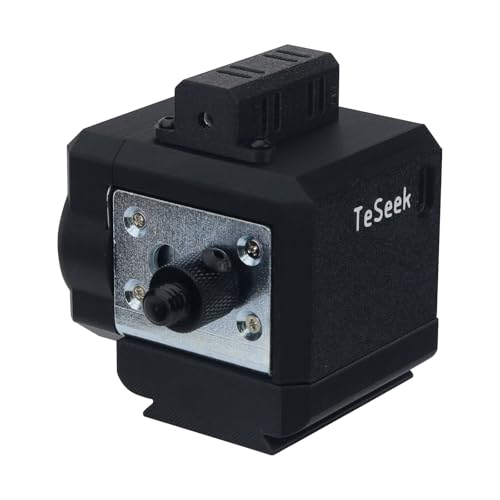 Best for time-lapse workEquatorial Mount with PETG-CF Housing (Integrated Built-in High-BrightView on Amazon
- 5
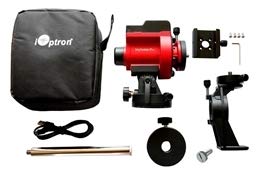 Best for camera-only setupsiOptron SkyGuider Pro Camera Mount with All AccessoriesView on Amazon
Our Top Picks
Quick Comparison
| Product | Best for | Key feature |
|---|---|---|
| Explore Scientific iEXOS-100-2 PMC-Eight | Full GoTo imaging | WiFi and Bluetooth app control |
| Equatorial Mount Star Tracker with Ball-Head Gimbal | Camera tracking on a budget | Included ball-head gimbal |
| Equatorial Mount with PETG-CF Housing | Time-lapse photography | Built-in high-brightness pointer |
| Sky Watcher Star Adventurer GTI Mount Head Kit | Portable astrophotography | Lightweight GoTo tracking |
| iOptron SkyGuider Pro Camera Mount | Camera-only rigs | Complete accessory package |
Explore Scientific iEXOS-100-2 PMC-Eight GoTo Equatorial Mount and Tripod
Explore Scientific iEXOS-100-2 PMC-Eight GoTo Equatorial Mount and Tripod | WiFi and Bluetooth app control, star tracker for astrophotography, eight-CPU PMC-Eight system, ExploreStars app
Best for: Full GoTo imaging with app control
This mount suits imagers who want automated star finding and tracking from a phone or tablet, paired with a small refractor or a camera lens.
Pros
- WiFi and Bluetooth control through the ExploreStars app
- Eight-CPU PMC-Eight system for GoTo pointing
Cons
- Heavier setup than a compact tracker
Equatorial Mount Star Tracker with Ball-Head Gimbal for Astrophotography
Equatorial Mount Star Tracker with Ball-Head Gimbal for Astrophotography
Best for: Camera tracking on a budget
Good for DSLR and mirrorless users who want to try star tracking for wide-field Milky Way shots without a full GoTo system.
Pros
- Ball-head gimbal makes camera aiming straightforward
- Compact enough for a backpack
Cons
- Manual polar alignment takes practice
Equatorial Mount with PETG-CF Housing (Integrated Built-in High-Brightness Pointer), for Astrophotography, Time-Lapse Photography
Equatorial Mount with PETG-CF Housing (Integrated Built-in High-Brightness Pointer), for Astrophotography, Time-Lapse Photography
Best for: Time-lapse work
Suited to users shooting long sequences of star trails or sky time-lapses who want a lighter housing and a built-in alignment aid.
Pros
- Integrated high-brightness pointer aids polar alignment
- Lightweight PETG-CF housing
Cons
- Lower payload capacity than full-size mounts
Sky Watcher Star Adventurer GTI Mount Head Kit with Counterweight and CW bar
Sky Watcher Star Adventurer GTI Mount Head Kit with Counterweight and CW bar – Full GoTo EQ Tracking Mount for Portable and Lightweight Astrophotography
Best for: Portable astrophotography
A strong fit for travelers and field imagers who need a light, GoTo-capable tracker that packs down small.
Pros
- Full GoTo tracking in a lightweight package
- Includes counterweight and CW bar
Cons
- Tripod sold separately in many configurations
iOptron SkyGuider Pro Camera Mount with All Accessories
iOptron SkyGuider Pro Camera Mount with All Accessories
Best for: Camera-only setups
Aimed at photographers who want a dedicated star tracker for a camera and lens rather than a telescope.
Pros
- Complete accessory package in one box
- Designed specifically for camera payloads
Cons
- Limited capacity for heavy telescope loads
Buying Guide
Payload capacity
Check the maximum load the manufacturer specifies and include the camera, lens, plate and any guide scope. Staying well under the rated limit improves tracking stability.
Polar alignment method
Some mounts include a built-in pointer or polar scope, while others rely on a separate finder. Built-in aids make it faster to align toward the celestial pole.
GoTo and app control
GoTo systems find objects automatically, which helps when you are working in the dark. Confirm whether the app runs on your phone platform before buying.
Portability and weight
If you travel to dark sites, weight and packed size matter as much as tracking accuracy. Lighter mounts are easier to carry but often have lower payload limits.
Good picks for this: Sky Watcher Star Adventurer GTI Mount Head Kit and Equatorial Mount with PETG-CF Housing
FAQ
Do I need a star tracker equatorial mount if I already have a tripod?
A standard tripod holds your camera steady, but it cannot follow the sky. Without tracking, stars begin to streak during exposures longer than a few seconds, so an equatorial mount is needed for longer, sharper night shots.
What is polar alignment, and how hard is it?
Polar alignment means pointing the mount’s rotation axis at the celestial pole so it can follow the stars smoothly. Most of the mounts in this roundup offer built-in aids or pointers that make the process faster for beginners. Expect a few minutes of practice before it feels routine.
Can a star tracker handle a full-size telescope?
Small star trackers are designed for camera lenses and lightweight scopes, not heavy telescope setups. Check the payload capacity listed for each mount and stay well under that limit to keep tracking accurate.
Is GoTo worth paying extra for?
GoTo and app control let the mount find and follow objects automatically, which saves time and helps you locate faint targets. If you mainly shoot wide star fields with a camera, basic tracking may be enough and a simpler mount can work well.
How long can I expose with a star tracker?
Tracking lets you take much longer exposures than a fixed tripod, often several minutes per frame depending on your focal length and tracking accuracy. Shorter, more numerous exposures are usually preferred for stacking later.
Are these mounts suitable for time-lapse photography?
Several of the picks are marketed for time-lapse work as well as astrophotography, since they can keep a camera pointed at the same spot over long periods. Confirm that the mount supports the intervalometer or control options you plan to use.
Conclusion
For the most features and automated pointing, the Explore Scientific iEXOS-100-2 PMC-Eight is the strongest choice for serious observers who want GoTo control. If you need something light and easy to carry, the Sky Watcher Star Adventurer GTI suits portable astrophotography well.
Budget-minded photographers and time-lapse shooters will do well with the simpler tracking mounts, while those who want a balance of portability and app control should weigh the iOptron SkyGuider Pro and the remaining picks against their payload needs.
Related reading
- Star Tracker vs Equatorial Mount: 5 Best Picks Compared for 2026
- iOptron iEQ30 Pro Equatorial Mount Review: 4 Best Options Compared (2026)
- ZWO AM5N Harmonic Equatorial Mount: Setup Guide for Beginners
- ZWO AM3 Harmonic Equatorial Mount: Setup, Polar Alignment and Tips
- When Was the German Equatorial Mount Invented? History and Origins
About Colin Foster
Colin Foster is part of our editorial team and reviews and edits our telescopes & stargazing guides, checking product details against manufacturer specifications and owner feedback.
About the author
Colin Foster writes reviews and buying guides for Astronomy Site.