Celestron Equatorial Mount Telescope: 6 Best Picks Compared for 2026
Compare six Celestron equatorial mount telescope options, from beginner German mounts to heavy-duty GoTo setups, with specs, pros, cons and who each one suits.
 By Colin Foster
Updated November 22, 2026
 By Colin Foster
Updated November 2026
Choosing a celestron equatorial mount telescope comes down to three things: how much payload the mount can carry, whether you want manual or computerized tracking, and how serious your observing or imaging plans are. An equatorial mount rotates on an axis parallel to Earth’s rotation, so a single slow motion keeps a target in view as the sky turns. The picks below are ranked by how well each one fits those criteria, based on manufacturer specifications, brand reputation and the patterns owners commonly report.
Our top picks at a glance
- 1TOP CHOICEBest overallCelestron Advanced VX Computerized German Equatorial MountView on Amazon
- 2
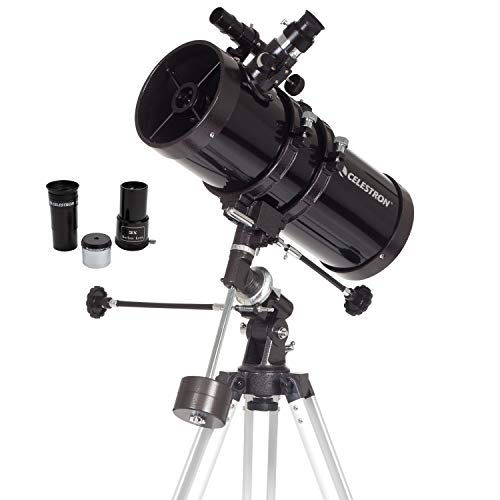 TOP CHOICEBest for beginners on a budgetCelestron PowerSeeker 127EQ Reflector TelescopeView on Amazon
- 3
 TOP CHOICEBest for learning manual trackingCelestron CG-4 Manual German Equatorial MountView on Amazon
- 4
 Best for heavier opticsCelestron CGX Computerized German Equatorial MountView on Amazon
- 5
 Best for large Schmidt-Cassegrain setupsCelestron CGEM II 11" Schmidt-Cassegrain TelescopeView on Amazon
- 6
 Best support tripodCelestron Heavy-Duty Alt-Azimuth TripodView on Amazon
Our Top Picks
Quick Comparison
| Product | Best for | Key feature |
|---|---|---|
| Celestron Advanced VX Computerized German Equatorial Mount | Serious visual and beginner imaging setups | 30 lb payload with GoTo tracking |
| Celestron PowerSeeker 127EQ Reflector Telescope | First telescope with a German mount | Complete reflector package with slow-motion controls |
| Celestron CG-4 Manual German Equatorial Mount | Learning equatorial basics | Manual tracking with motor-drive compatibility |
| Celestron CGX Computerized German Equatorial Mount | Heavier optics and astrophotography | 55 lb payload with belt-drive tracking |
| Celestron CGEM II 11″ Schmidt-Cassegrain Telescope | Large-aperture visual observing | 11-inch aperture on GoTo EQ mount |
| Celestron Heavy-Duty Alt-Azimuth Tripod | Supporting large, heavy optics | Heavy-duty tripod with fine altitude and azimuth controls |
Celestron Advanced VX Computerized German Equatorial Mount
Celestron Advanced VX Computerized German Equatorial Mount – 30lb Payload | Ideal Beginner EQ Setup, Precision GoTo Tracking, NexStar+ Hand Control, Perfect for Imaging or Advanced Visual Astronomy
Best for: Serious visual observers and beginners who want computerized tracking that can grow into imaging.
This mount suits someone who already owns or plans to buy a capable optical tube and wants a stable, GoTo-capable base. It is the kind of mount many owners keep for years as their instruments change.
Key specs
- Computerized German equatorial design
- 30 lb payload capacity (as stated in the listing)
- NexStar+ hand control for GoTo pointing
Pros
- Strong payload margin for mid-sized refractors and reflectors
- GoTo pointing speeds up finding deep-sky targets
- Suitable for both visual use and basic astroimaging
Cons
- Setup and polar alignment take more learning than a manual mount
- Heavier to transport than entry-level mounts
Bottom line: A strong choice for someone who wants one mount that handles both visual and imaging work without outgrowing it quickly.
View on AmazonCelestron PowerSeeker 127EQ Reflector Telescope
Celestron PowerSeeker 127EQ Reflector Telescope for Home Astronomy | German Equatorial Mount, Bright Views of the Moon, Planets & Deep Sky, Slow-Motion Controls, Stable Tripod, Easy to Use
Best for: First-time buyers who want a complete telescope with a German equatorial mount in one box.
This package suits a family or new observer who wants bright views of the Moon and planets and a mount that teaches the basics of equatorial tracking without a large investment in gear.
Key specs
- 127 mm reflector optical tube
- German equatorial mount with slow-motion controls
- Steel tripod for stability
Pros
- Complete starter package with no extra buying required
- Slow-motion controls make fine tracking manageable
- Good light-gathering for the Moon, planets and bright deep-sky objects
Cons
- Mount is manual, so tracking requires periodic adjustment
- Upgrading later usually means replacing the mount
Bottom line: Best for a first telescope where simplicity and a complete kit matter more than long-term expansion.
View on AmazonCelestron CG-4 Manual German Equatorial Mount
Celestron CG-4 Manual German Equatorial Mount with Steel Tripod | Smooth Manual Tracking, Precision Slow-Motion Controls, Heavy-Duty Steel Tripod, Adjustable Latitude, Accepts Motor Drive
Best for: Observers who want to learn equatorial mechanics and may add a motor drive later.
This mount fits someone who prefers hands-on control, or who already owns a telescope and wants a sturdy manual platform before deciding on computerized options.
Key specs
- Manual German equatorial design
- Adjustable latitude scale
- Steel tripod with precision slow-motion controls
Pros
- Teaches polar alignment and tracking fundamentals
- Accepts a motor drive when you want automatic tracking
- Smooth manual motion for steady visual observing
Cons
- No GoTo, so locating objects takes star-hopping skill
- Manual tracking becomes tiresome during long sessions
Bottom line: Ideal for learners and purists who value understanding the sky over push-button pointing.
View on AmazonCelestron CGX Computerized German Equatorial Mount
Celestron CGX Computerized German Equatorial Mount & Tripod, 55lb Payload | Telescope Mount with 55 lb Payload Capacity, Precision GoTo Performance, Belt-Drive Tracking System, Heavy-Duty Tripod
Best for: Astrophotographers and visual observers running heavier optics. For a deeper look, Orion SkyView Pro Equatorial Mount Alternatives: 5 Best Picks Compared (2026) covers this in detail.
This mount suits an observer whose telescope or camera setup exceeds what a lighter mount can carry steadily. The larger payload rating gives a margin that helps with tracking consistency.
Key specs
- 55 lb payload capacity (as stated in the listing)
- Computerized GoTo performance
- Belt-drive tracking system with heavy-duty tripod
Pros
- Large payload margin for heavier tubes and imaging gear
- Belt-drive system is well suited to smooth tracking
- GoTo speeds up target acquisition
Cons
- Heavy to move, which matters for portable setups
- Requires a sturdy observing site to get full benefit
Bottom line: A good step up for anyone outgrowing a 30 lb mount or planning longer-exposure imaging.
View on AmazonCelestron CGEM II 11″ Schmidt-Cassegrain Telescope
Celestron CGEM II 11" Schmidt-Cassegrain Telescope with GoTo EQ Mount | Outstanding Light Gathering, Sharp Planetary & Deep-Sky Views, Precision GoTo Equatorial Mount, Visual & Astroimaging Ready
Best for: Observers who want large-aperture views of planets and deep-sky objects on a GoTo mount.
This package is aimed at experienced visual observers and serious beginners who want maximum light-gathering and are willing to handle a larger, heavier instrument.
Key specs
- 11-inch Schmidt-Cassegrain optical tube
- GoTo equatorial mount
- Suitable for visual and astroimaging use
Pros
- Large aperture reveals more detail in planets and galaxies
- GoTo mount simplifies finding targets
- Versatile enough for both visual and imaging work
Cons
- Considerable weight and bulk for transport
- Needs careful cooling time to reach full performance on planets
Bottom line: Best for observers who prioritize aperture and have a permanent or semi-permanent observing spot.
View on AmazonCelestron Heavy-Duty Alt-Azimuth Tripod
Celestron Heavy-Duty Alt-Azimuth Tripod for Spotting Scopes & Telescopes | Heavy-Duty Mount, Precision Slow-Motion Controls in Altitude and Azimuth, Built for Large Optics, Smooth Tracking
Best for: Owners who need a rock-steady base for large or heavy optics.
This tripod is for observers pairing a heavy scope with a stable support, or replacing a wobbly stand that limits viewing comfort.
Key specs
- Heavy-duty alt-azimuth design
- Slow-motion controls in altitude and azimuth
- Built for large optics
Pros
- Stable platform reduces vibration at high magnification
- Fine slow-motion controls aid precise centering
- Suitable for spotting scopes and large telescopes
Cons
- Alt-azimuth design is not an equatorial mount and will not track the sky
- Bulky to carry to remote sites
Bottom line: A supporting accessory for stability rather than a substitute for an equatorial tracking mount.
View on AmazonBuying Guide
Payload capacity
Payload is the combined weight of your optical tube, eyepieces, camera and accessories. Manufacturers list a maximum rating, and owners often recommend staying well below it so tracking stays accurate. Check the listed payload against your full setup, not just the telescope’s weight.
Good picks for this: Celestron CGX Computerized German Equatorial Mount, Celestron Advanced VX Computerized German Equatorial Mount
Manual versus computerized tracking
Manual mounts rely on you turning slow-motion knobs to follow objects. Computerized mounts drive the axes automatically and can point to targets from a database. Computerized models cost more to set up but reduce the effort of finding and following objects through a session.
Good picks for this: Celestron CG-4 Manual German Equatorial Mount, Celestron Advanced VX Computerized German Equatorial Mount
Mount and tripod stability
Vibration spoils high-power views and degrades imaging. Steel tripods are generally more rigid than aluminum, and wider leg spreads resist wobble. Owners often report that tripod stability matters as much as mount rating for smooth views.
Good picks for this: Celestron Heavy-Duty Alt-Azimuth Tripod, Celestron CG-4 Manual German Equatorial Mount
Aperture and optical tube size
Larger apertures gather more light and resolve finer detail, but they increase weight and the load on the mount. Match the aperture to the mount’s payload rating and to how often you will carry the setup outdoors.
Good picks for this: Celestron CGEM II 11″ Schmidt-Cassegrain Telescope, Celestron PowerSeeker 127EQ Reflector Telescope
Portability and transport
German equatorial mounts are heavier than alt-azimuth mounts, and computerized versions add counterweights and cabling. If you observe from a backyard, weight may be less important. If you travel to dark sites, favor lighter mounts with a payload you can comfortably carry.
Good picks for this: Celestron PowerSeeker 127EQ Reflector Telescope, Celestron CG-4 Manual German Equatorial Mount
Upgrade path
Buying a mount with headroom in payload and tracking features can save money later. A mount that accepts a motor drive or computerized controller lets you add capability instead of replacing the whole system.
Good picks for this: Celestron CG-4 Manual German Equatorial Mount, Celestron CGX Computerized German Equatorial Mount
Care and durability
Keep gears, bearings and cables clean and dry, and store the mount covered when not in use. Check that counterweights and locks tighten fully before each session. Regular care helps keep tracking smooth over years of use.
Good picks for this: Celestron Advanced VX Computerized German Equatorial Mount, Celestron CGX Computerized German Equatorial Mount
FAQ
What is a German equatorial mount?
A German equatorial mount has a polar axis aligned with the celestial pole and a declination axis that holds the telescope, with counterweights on the opposite side of the polar axis. It tracks the sky by turning the polar axis at the rate Earth rotates.
Do I need a computerized mount to start?
No. Manual mounts teach you the sky and reward patience. Computerized mounts make it faster to find targets, which many beginners appreciate after the first few months.
How accurate does polar alignment need to be?
For visual observing, a rough polar alignment is often enough. For long-exposure astrophotography, owners commonly aim for alignment within a few arcminutes, using the mount’s polar alignment routine or a dedicated tool. You may also like 5 Best Celestron GoTo Equatorial Mounts for Imaging and Visual Use.
Can I use a camera on a Celestron equatorial mount?
Yes, provided the total payload stays within the mount’s rating. Astrophotography also requires accurate tracking and polar alignment, so check the mount’s imaging suitability before buying a camera.
What payload should I look for?
Add up the weight of your tube, eyepieces, camera and accessories, then choose a mount whose rated payload exceeds that total by a comfortable margin. Owners often report better tracking when they stay below the maximum rating.
Is a heavy tripod necessary?
For larger optics, a sturdy tripod reduces vibration and wobble. Lighter setups may get by with a smaller tripod, but stability generally improves with a heavier, wider base.
Conclusion
For most buyers, the Celestron Advanced VX Computerized German Equatorial Mount offers the best balance of payload, GoTo convenience and room to grow. First-time observers wanting a complete package should look at the Celestron PowerSeeker 127EQ Reflector Telescope. Learners who prefer manual control will find the Celestron CG-4 Manual German Equatorial Mount instructive. Heavier optics point toward the Celestron CGX Computerized German Equatorial Mount, while large-aperture visual observers may prefer the Celestron CGEM II 11″ Schmidt-Cassegrain Telescope. The Celestron Heavy-Duty Alt-Azimuth Tripod serves as a stability accessory rather than a tracking mount. Check payload and transport needs before deciding.
Sources
- Background on Earth's rotation and how it affects observing the night sky (nasa.gov)
- Guidance on telescope types, mounts and beginner observing practices
- Resources on amateur astronomy, observing and astronomy education
Related reading
- Equatorial Mount Celestron Telescope Price: What Drives It and What You Get
- Celestron Advanced VX Equatorial Telescope Mount: 5 Best Options Compared (2026)
- What Is an Equatorial Telescope Mount? How It Works and Why It Matters
- Reflector Telescope Equatorial Mount vs Alt-Azimuth: Which Should You Choose?
About Colin Foster
Colin Foster is part of our editorial team and reviews and edits our telescopes & stargazing guides, checking product details against manufacturer specifications and owner feedback.
About the author
Colin Foster writes reviews and buying guides for Astronomy Site.