5 Best Starter Astrophotography Cameras: Picks Compared for Beginners
Looking for the best starter astrophotography camera? Compare five beginner-friendly options by sensor, cooling, software and how well they suit first deep-sky
 By Colin Foster
Updated November 11, 2026
 By Colin Foster
Updated November 2026
Choosing the best starter astrophotography camera comes down to a few practical questions: how much of the sky you want to capture, whether you plan to shoot through a telescope or on a tripod, how comfortable you are with image processing, and whether you need a camera that works on its own or one that pairs with an existing scope. The picks below were compared on sensor type and size, cooling, software support, typical use cases, and patterns that owners tend to report after their first months of imaging.
Our top picks at a glance
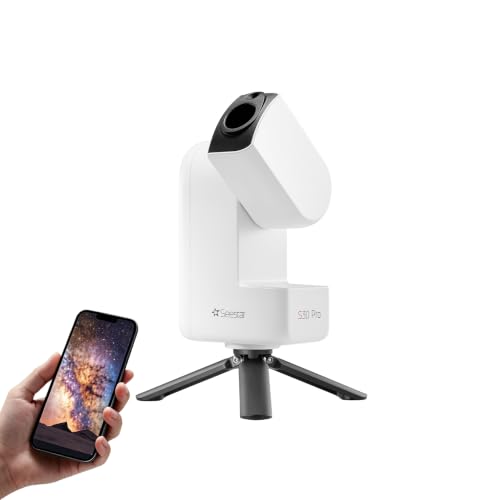
- 1TOP CHOICEBest overallZWO Seestar S30 Pro Smart Telescope, App-Controlled AstrophotographyView on Amazon
- 2
 TOP CHOICEBest for telescope-attached deep-sky workSVBONY SV405CC Astrophotography Camera, Cooled Telescope Eyepiece IMX294View on Amazon
- 3
 TOP CHOICEBest for autoguiding and planetarySVBONY SV905C Guide Camera Telescope Eyepiece, 1.23MP CMOS SensorView on Amazon
- 4
 Best for learning the processing sideAstrophotography Image Processing with GraXpert, Siril & GIMPView on Amazon
- 5
 Best for a larger-sensor refractor setupSVBONY SV605CC Cooled Astrophotography Camera Bundle with SV555 Petzval APO RefractorView on Amazon
Our Top Picks
Quick Comparison
| Product | Best for | Key feature |
|---|---|---|
| ZWO Seestar S30 Pro Smart Telescope | Beginners who want an all-in-one system | App-controlled GoTo, auto tracking and one-tap capture |
| SVBONY SV405CC Astrophotography Camera | Deep-sky imaging through a telescope | Cooled IMX294 color sensor |
| SVBONY SV905C Guide Camera | Autoguiding and planetary imaging | ST4 guide interface and CMOS sensor |
| Astrophotography Image Processing with GraXpert, Siril & GIMP | Learning post-processing | Step-by-step workflow for stacking and stretching |
| SVBONY SV605CC Cooled Camera Bundle | Wider-field refractor imaging | Cooled 9MP IMX533 sensor with a 54mm Petzval refractor |
ZWO Seestar S30 Pro Smart Telescope, App-Controlled Astrophotography
ZWO Seestar S30 Pro Smart Telescope, App-Controlled Astrophotography | 4K Dual Camera, Auto Tracking & GoTo, One-Tap Capture & Processing, Milky Way & Star Trail, Deep Sky & Wide-Field Imaging
Best for: Beginners who want an all-in-one system that handles pointing, tracking and capture
This is a self-contained smart telescope rather than a camera you attach to a scope. It suits someone who wants to start shooting the night sky without learning mounts, eyepieces and stacking software first. Owners often describe the appeal as the shortest path from unboxing to a usable image.
Key specs
- 4K dual camera system
- Automatic tracking and GoTo pointing
- Designed for milky way, star trail and deep-sky targets
- App-based control with one-tap capture and processing
Pros
- Minimal setup time for first-night results
- Built-in tracking reduces the need for a separate mount
- Processing is handled largely inside the app
Cons
- Less control over exposure and processing than a traditional setup
- Limited upgrade path if you later want a larger sensor or different optics
Bottom line: The right pick for someone who wants the easiest entry point and is less interested in manual imaging technique.
View on AmazonSVBONY SV405CC Astrophotography Camera, Cooled Telescope Eyepiece IMX294
SVBONY SV405CC Astrophotography Camera, Cooled Telescope Eyepiece IMX294 | High-Sensitivity 4/3" Color Sensor 11.7MP USB 3.0 HCG Mode, Cooling Power Steady, Cooled Camera for Deep Sky Astrophotography
Best for: Deep-sky imaging through a telescope with a cooled sensor
This camera is aimed at imagers who already own a telescope and want to move beyond planetary snapshots into long-exposure deep-sky work. The cooling feature is the main reason it is recommended over uncooled options for faint targets.
Key specs
- IMX294 color sensor in a 4/3-inch format
- USB 3.0 connection
- Thermoelectric cooling for reduced sensor noise
Pros
- Cooling helps keep noise steady across long exposures
- Large sensor for a camera in this class
- Works with common stacking and capture software
Cons
- Requires a telescope, mount and computer setup
- Cooling and dark-frame workflow add a learning curve
Bottom line: A strong choice for a beginner who already has a scope and wants serious deep-sky results.
View on AmazonSVBONY SV905C Guide Camera Telescope Eyepiece, 1.23MP CMOS Sensor
SVBONY SV905C Guide Camera Telescope Eyepiece, 1.23MP CMOS Sensor, 1.25Inch | USB 2.0, ST4 Guide Interface, Astrophotography Camera, with AR-Coated, for Autoguiding or Planetary Imaging, Astrophotogra
Best for: Autoguiding and planetary imaging on a budget
A guide camera is not a full imaging camera for most beginners, but it fills an important role: it corrects mount drift so your main camera can take longer exposures. It is also usable for planetary video capture.
Key specs
- 1.23MP CMOS sensor
- 1.25-inch eyepiece barrel
- USB 2.0 and ST4 guide interface
Pros
- Affordable way to add autoguiding to a mount
- Small and simple to attach to a guide scope
- Useful for planetary video as well
Cons
- Low resolution compared with dedicated imaging cameras
- Not a complete solution for deep-sky color imaging on its own
Bottom line: Best as a supporting camera for someone who plans to build toward guided long exposures.
View on AmazonAstrophotography Image Processing with GraXpert, Siril & GIMP
Astrophotography Image Processing with GraXpert, Siril & GIMP: : For DSLRs, Astro Cameras, Seestar and Dwarf 3 (Astro Imaging Guides)
Best for: Learning the processing side of astrophotography alongside any camera
This is a guidebook rather than a camera, included because processing is where many beginners struggle most. It covers free tools widely used by astro imagers and is written for readers working with DSLRs, dedicated astro cameras and smart telescopes alike.
Key specs
- Covers GraXpert, Siril and GIMP workflows
- Addresses stacking, background extraction and color balance
Pros
- Works regardless of which camera you own
- Free software keeps the total learning cost low
- Step-by-step approach suits self-taught readers
Cons
- Does not replace hands-on practice with real data
- Software interfaces change, so some screenshots may age
Bottom line: A useful companion for any beginner who expects to spend as much time processing as shooting.
View on AmazonSVBONY SV605CC Cooled Astrophotography Camera Bundle with SV555 Petzval APO Refractor
SVBONY SV605CC Cooled Astrophotography Eyepiece, 9MP IMX533 USB3.0 CMOS Camera Bundle with SV555 54mm Petzval APO Refractor Telescope for Astrophotography, Full Frame Compatibility, SLR Camera Lens
Best for: Wider-field refractor imaging with a larger cooled sensor
This bundle pairs a cooled CMOS camera with a Petzval-design apochromatic refractor. The combination suits imagers who want a wider field of view and larger sensor than a typical beginner camera offers, with the refractor handling the optics.
Key specs
- 9MP IMX533 CMOS sensor
- USB 3.0 connection
- Cooled camera body
- 54mm Petzval APO refractor included in the bundle
Pros
- Larger sensor gives a wider field for deep-sky targets
- Cooled sensor supports longer exposures
- Bundle avoids separate optics shopping
Cons
- Requires a sturdy mount and careful balancing
- More setup complexity than an all-in-one system
Bottom line: A good step up for a beginner who has some experience and wants a complete refractor-and-camera kit.
View on AmazonBuying Guide
Choose between an all-in-one system and a camera you attach to a telescope
All-in-one smart telescopes handle tracking, pointing and processing for you. Standalone cameras give you more control and room to grow, but they require a telescope, a mount and some setup knowledge. Decide which trade-off you prefer before comparing specs.
Good picks for this: ZWO Seestar S30 Pro Smart Telescope, SVBONY SV405CC Astrophotography Camera
Check sensor size and type
Larger sensors collect more light and cover more sky, while color sensors are generally simpler for beginners than monochrome setups that require filter wheels. Compare sensor dimensions and resolution in the listing rather than relying on pixel count alone.
Good picks for this: SVBONY SV405CC Astrophotography Camera, SVBONY SV605CC Cooled Camera Bundle
Look for cooling if you plan long exposures
Thermal noise increases with sensor temperature. Cooled cameras keep the sensor at a steady temperature, which makes dark frames more consistent and deep-sky stacks cleaner. Uncooled cameras can still work for brighter targets and planetary imaging.
Good picks for this: SVBONY SV405CC Astrophotography Camera, SVBONY SV605CC Cooled Camera Bundle
Match the camera to your telescope and mount
A camera must fit your optical train, and your mount must handle the weight and track accurately over the exposure time you plan. Check the eyepiece barrel size, connector type and whether the camera needs a separate guide setup.
Good picks for this: SVBONY SV905C Guide Camera, SVBONY SV605CC Cooled Camera Bundle
Consider autoguiding support
Guiding corrects small mount errors during long exposures. A dedicated guide camera or a guiding-capable setup lets you extend exposure length without star trailing, which matters for faint deep-sky objects.
Good picks for this: SVBONY SV905C Guide Camera
Plan for processing software and workflow
Raw astro images need stacking, calibration and stretching before they look like the sky. Free tools handle most of this, but expect to spend time learning. Software compatibility with your camera driver is worth verifying before you buy.
Good picks for this: Astrophotography Image Processing with GraXpert, Siril & GIMP, ZWO Seestar S30 Pro Smart Telescope
Think about durability and care
Keep cameras dry and avoid condensation by letting gear acclimate before opening it in cold, humid air. Cooled cameras and telescope-mounted gear should be stored in padded cases. Protect USB connectors and cables from strain during setup and teardown.
Good picks for this: SVBONY SV605CC Cooled Camera Bundle, ZWO Seestar S30 Pro Smart Telescope
FAQ
What is the best starter astrophotography camera for a complete beginner?
For someone with no telescope yet, an all-in-one smart telescope is usually the most approachable route because it handles tracking and capture. Readers who already own a telescope generally look at standalone cameras next.
Do I need a cooled camera to start?
No. Cooled cameras help with long deep-sky exposures, but many beginners start with uncooled cameras on brighter targets such as the Moon, planets and wide-field star fields.
Can I use a regular DSLR or mirrorless camera instead?
Yes, and many beginners do. Dedicated astro cameras offer advantages in sensitivity and cooling, but a DSLR or mirrorless body can produce good results with a tripod and a tracking mount. For more on that route, see Digital Camera for Astrophotography: 6 Best Picks for Beginners (2026).
Do I need a guide camera?
Not for short exposures. Guiding becomes important once you want longer exposures of faint objects, since it corrects mount drift. You can read more about mount considerations in Camera Mount for Astrophotography: 6 Best Picks for Star Tracking (2026).
How much processing will I need to do?
Most astro images require stacking and stretching before they look good. Expect to spend real time learning, especially with standalone cameras. A walkthrough like Best Astrophotography Camera Settings: A Step-by-Step Guide for Beginners can help you set up your first session.
Is a smart telescope a real astrophotography camera?
It captures images of the night sky with a built-in camera and processing pipeline, so it fits the category. The trade-off is less manual control than a dedicated imaging setup.
Which camera works best for planets?
Planetary imaging usually relies on high-frame-rate video and lucky-imaging stacking. Guide cameras and smaller CMOS sensors are often used for this. Compare options in Top 3 CCD Cameras for Astrophotography Compared for Deep-Sky Imaging (2026) if you want to understand the sensor trade-offs.
Conclusion
For most beginners, the best starter astrophotography camera depends on whether you already own a telescope. The ZWO Seestar S30 Pro Smart Telescope suits anyone who wants the simplest start. The SVBONY SV405CC is a strong choice for a telescope owner pursuing deep-sky work. The SVBONY SV905C fits readers adding autoguiding, the processing guide helps anyone who expects to spend time in software, and the SVBONY SV605CC bundle suits imagers ready for a wider-field refractor setup.
Sources
- Background on the night sky, Moon and planetary observing targets (nasa.gov)
- Guidance on amateur astronomy practice and observing
- Information on astronomy education and professional standards in imaging
Related reading
- What Is the Best Nikon Camera Lens for Astrophotography? Top Picks
- Top 7 Deep Sky Astrophotography Cameras for Serious Imaging in 2026
About Colin Foster
Colin Foster is part of our editorial team and reviews and edits our telescopes & stargazing guides, checking product details against manufacturer specifications and owner feedback.
About the author
Colin Foster writes reviews and buying guides for Astronomy Site.