5 Best Cameras for Deep Space Astrophotography: Picks Compared in 2026
Find the best camera for deep space astrophotography. We compare five cooled, smart and planetary-grade options on sensor, cooling, tracking and imaging use.
 By Colin Foster
Updated November 10, 2026
 By Colin Foster
Updated November 2026
Choosing the best camera for deep space astrophotography comes down to one question: how faint can you go, and how much of the sky do you want to capture? Deep-sky targets like galaxies, nebulae and star clusters are dim, so the camera needs a sensor sensitive enough to collect faint light over long exposures, low thermal noise so that signal is not buried, and a practical way to connect to a computer or mount. The picks below are judged on sensor type and size, cooling, software and tracking support, portability, and the kind of imaging each model is built for. We did not test these units ourselves; the comparisons draw on manufacturer specifications, brand reputation and patterns in owner feedback.
Our top picks at a glance
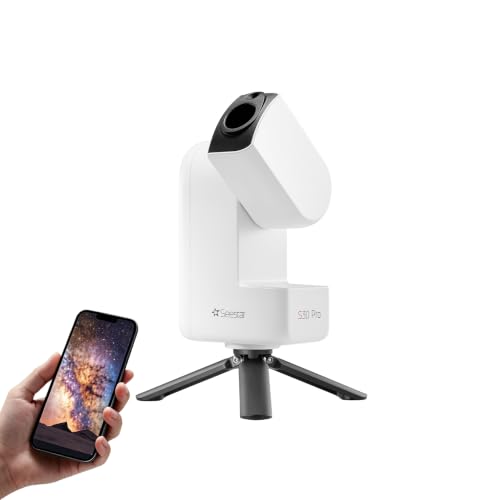
- 1TOP CHOICEBest overallZWO Seestar S30 Pro Smart Telescope, App-Controlled AstrophotographyView on Amazon
- 2
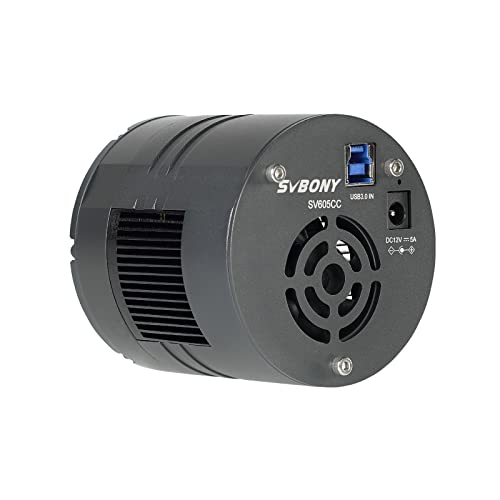
 TOP CHOICEBest for dedicated deep-sky imagingSVBONY SV605CC Cooled Astrophotography Camera, 9MP IMX533 USB3.0 with SV240 FilterView on Amazon
- 3
 TOP CHOICEBest for portable setupsDWARFLAB Dwarf 3 Smart Telescope, App-Controlled Astrophotography CameraView on Amazon
- 4
 Best budget pickSVBONY SV605CC Cooled Color Astrophotography Camera, 9MP IMX533 EyepieceView on Amazon
- 5
 Best for planets and high-resolution workSVBONY SV705C Telescope Camera Eyepiece, IMX585 USB 3.0 Astronomy CameraView on Amazon
Our Top Picks
| Product | Best for | Key feature |
|---|---|---|
| ZWO Seestar S30 Pro Smart Telescope | All-in-one deep-sky and wide-field imaging | 4K dual camera with auto tracking and GoTo |
| SVBONY SV605CC Cooled Color Astrophotography Camera | Budget-conscious cooled deep-sky imaging | 9MP IMX533 sensor with thermoelectric cooling |
| DWARFLAB Dwarf 3 Smart Telescope | Portable, travel-friendly imaging | Roughly 3 lb body with 4K auto-tracking |
| SVBONY SV605CC Cooled Astrophotography Camera with SV240 filter | Narrowband nebula imaging | Bundled multi-narrowband galaxy and nebula filter |
| SVBONY SV705C Telescope Camera Eyepiece | Planets, Moon and high-resolution detail | IMX585 sensor in a 1/1.2″ frame |
ZWO Seestar S30 Pro Smart Telescope, App-Controlled Astrophotography
ZWO Seestar S30 Pro Smart Telescope, App-Controlled Astrophotography | 4K Dual Camera, Auto Tracking & GoTo, One-Tap Capture & Processing, Milky Way & Star Trail, Deep Sky & Wide-Field Imaging
Best for: Beginners and casual deep-sky imagers who want a complete, app-driven system
This is a self-contained smart telescope aimed at people who want to go from setup to a processed image with minimal equipment decisions. It suits users who would rather spend time under the sky than tuning a mount, camera and software chain separately. Because the optics and camera are built as a single unit, it is most useful for wide-field targets like the Milky Way, large nebulae and bright galaxies.
Key specs:
- 4K dual camera design
- Automatic tracking and GoTo pointing
- One-tap capture with onboard processing
- Designed for Milky Way, star trail, deep-sky and wide-field imaging
Pros:
- Very fast path from setup to first image
- Auto tracking reduces the need for a separate equatorial mount
- Handles wide-field targets well
Cons:
- Fixed optics limit how deep and how detailed faint targets can get compared with a cooled dedicated camera
- Less flexibility for users who want to choose their own filters and exposure chain
Bottom line: The right choice for someone who wants the easiest route to good deep-sky and wide-field images without building a full imaging rig.
View on AmazonSVBONY SV605CC Cooled Astrophotography Camera, 9MP IMX533 USB3.0 with SV240 Filter
SVBONY SV605CC Cooled Astrophotography Camera, 9MP IMX533 USB3.0 CMOS Color Astronomy Camera with SV240 2" Multi-Narrowband Galaxy Nebula Filter, for Deep Sky Astrophotography
Best for: Deep-sky imagers who want a cooled color camera plus a narrowband filter for nebulae
This is a cooled CMOS camera meant to attach to a telescope and connect to a computer for long-exposure stacking. It suits imagers who already own a telescope and mount and want to capture faint galaxies and emission nebulae. The bundled SV240 2-inch multi-narrowband filter is aimed at emission nebula work, where light pollution is a concern.
Key specs:
- 9MP IMX533 CMOS sensor
- USB 3.0 connection
- Double-layer semiconductor cooling
- 2-inch multi-narrowband galaxy and nebula filter included in this bundle
Pros:
- Cooling helps reduce thermal noise on long exposures
- Narrowband filter adds value for nebula targets from light-polluted sites
- USB 3.0 supports fast frame transfer
Cons:
- Requires a telescope, mount and stacking software, so setup takes more learning
- Cooling performance depends on ambient temperature and power supply
Bottom line: Best suited to imagers who already have a telescope and want serious deep-sky sensitivity with a ready-made narrowband option.
View on AmazonDWARFLAB Dwarf 3 Smart Telescope, App-Controlled Astrophotography Camera
DWARFLAB Dwarf 3 Smart Telescope, App-Controlled Astrophotography Camera | Portable 3lb Design, 4K Auto-Tracking, AZ/EQ Modes, Built-in Processing, Astronomy Shooting, Wildlife and Panorama Imaging
Best for: Travelers and observers who need a compact smart telescope they can carry to dark sites
The Dwarf 3 is built around portability, with a light body and two mounting modes. It fits users who want to shoot from remote locations or balconies without hauling a heavy mount. Its auto-tracking and built-in processing make it accessible, though it trades some depth and detail for convenience.
Key specs:
- Portable design of about 3 lb
- 4K auto-tracking
- AZ and EQ mounting modes
- Built-in processing and app control
Pros:
- Easy to transport and set up quickly
- Two mounting modes add flexibility
- Covers astronomy, wildlife and panorama shooting
Cons:
- Small aperture limits faint deep-sky detail
- Less control over exposure and processing than a dedicated camera setup
Bottom line: A good fit for mobile observers who prioritize portability over maximum depth.
View on AmazonSVBONY SV605CC Cooled Color Astrophotography Camera, 9MP IMX533 Eyepiece
SVBONY SV605CC Cooled Color Astrophotography Camera, 9MP IMX533 Eyepiece | Double Layer Semiconductor Refrigeration, USB3.0, 30 ℃ Lower for Deep Sky Astrophotography Panoramic Astronomy &Lucky Imaging
Best for: Budget-minded imagers who want cooled deep-sky sensitivity without a premium price tag
This is the same core camera platform as the bundled option above, offered without the narrowband filter. It suits observers who already have filters or plan to image broadband targets like galaxies and star clusters. It is designed to slot into the eyepiece position of a telescope.
Key specs:
- 9MP IMX533 CMOS sensor
- USB 3.0 interface
- Thermoelectric cooling, rated by the manufacturer to run well below ambient temperature
- Designed for deep-sky and planetary use
Pros:
- Cooled sensor helps keep noise low on long exposures
- Works with standard stacking software
- Good sensitivity for broadband deep-sky targets
Cons:
- Needs a separate telescope, mount, and computer
- Cooling requires a stable power source and some setup time
Bottom line: A practical entry into cooled deep-sky imaging for someone already equipped with a telescope.
View on AmazonSVBONY SV705C Telescope Camera Eyepiece, IMX585 USB 3.0 Astronomy Camera
SVBONY SV705C Telescope Camera Eyepiece, IMX585 USB 3.0 Astronomy Camera | "1/1.2” Frame, Astronomy Camera, High Resolution Planetary Camera, for Moon, Saturn, Planets and Deep Sky Astrophotography "
Best for: Planetary imaging and high-resolution work on bright targets
The SV705C uses a larger IMX585 sensor in a 1/1.2-inch frame, which makes it a stronger match for fine planetary and lunar detail than for faint nebulae. It suits observers who want to image the Moon, Saturn and planets, and who may also try brighter deep-sky objects.
Key specs:
- IMX585 sensor in a 1/1.2-inch frame
- USB 3.0 connection
- Designed for planetary, Moon and deep-sky use
Pros:
- Good resolution for planetary detail
- Fits standard eyepiece-position workflows
- Useful as a general-purpose astronomy camera
Cons:
- Less suited to very faint deep-sky targets than cooled, long-exposure setups
- Requires a telescope and computer to operate
Bottom line: Pick this if your priority is planets and bright objects, with deep-sky as a secondary goal.
View on AmazonBuying Guide
Sensor size and type
Deep-sky imaging rewards sensors with high quantum efficiency and low read noise. Larger sensors capture wider fields, while smaller ones give finer resolution per pixel. Check whether the camera is monochrome or color; color sensors are easier to use but may need longer total exposure for faint detail.
Good picks for this: SVBONY SV605CC Cooled Astrophotography Camera with SV240 filter, SVBONY SV705C Telescope Camera Eyepiece
Cooling
Thermal noise rises with sensor temperature and can drown out faint signal during long exposures. Cooled cameras use thermoelectric cooling to hold the sensor well below ambient temperature. Cooling is one of the main reasons dedicated deep-sky cameras outperform uncooled webcam-style sensors on faint targets.
Good picks for this: SVBONY SV605CC Cooled Color Astrophotography Camera, SVBONY SV605CC Cooled Astrophotography Camera with SV240 filter
Filters and light pollution
If you image from a city or suburb, narrowband filters can block much of the sky glow while passing emission from hydrogen and oxygen in nebulae. Broadband filters suit galaxies and star clusters. Confirm the filter size matches your camera and telescope focuser.
Good picks for this: SVBONY SV605CC Cooled Astrophotography Camera with SV240 filter
Portability and setup
Weight, body size and power draw determine how easily a camera travels to dark sites. Smart telescopes combine optics, tracking and processing in one package, while dedicated cameras require a mount, telescope and computer. Consider how much setup time you are willing to spend each night.
Good picks for this: DWARFLAB Dwarf 3 Smart Telescope, ZWO Seestar S30 Pro Smart Telescope
Tracking and guiding
Long deep-sky exposures require accurate tracking, either from an equatorial mount or from automatic tracking built into a smart telescope. Check whether the system supports the mount type you plan to use and whether it offers GoTo pointing.
Good picks for this: ZWO Seestar S30 Pro Smart Telescope, DWARFLAB Dwarf 3 Smart Telescope
Software and processing
Most dedicated cameras rely on stacking and image-processing software on a computer, which adds a learning curve but offers full control. Smart telescopes handle stacking onboard and deliver processed images through an app, trading control for speed.
Good picks for this: ZWO Seestar S30 Pro Smart Telescope, SVBONY SV705C Telescope Camera Eyepiece
Durability and care
Keep cameras dry, avoid dew on electronics, and store them out of extreme temperatures. Use a protective case for transport, and check the USB and power connections before each session. Cooled cameras need a steady power supply to keep cooling stable.
Good picks for this: DWARFLAB Dwarf 3 Smart Telescope, SVBONY SV605CC Cooled Color Astrophotography Camera
FAQ
What makes a camera good for deep-space astrophotography?
The key traits are sensitivity to faint light, low thermal noise (usually from cooling), and a way to take long exposures with accurate tracking. Color or monochrome choice and filter compatibility also matter.
Do I need a cooled camera for deep-sky imaging?
Not always, but cooling is strongly recommended for long exposures because it reduces thermal noise. Beginners sometimes start with uncooled cameras and move to cooled models as their targets get fainter.
Can a smart telescope replace a dedicated astrophotography camera?
For wide-field and brighter deep-sky targets, a smart telescope can produce strong results with little setup. Dedicated cameras give more control over exposure, filters and processing, which matters for faint or detailed targets.
Do I need a mount for deep-sky astrophotography?
Yes, for most setups. Long exposures need the camera to track the sky accurately. Smart telescopes include automatic tracking, while dedicated cameras usually require an equatorial or motorized alt-azimuth mount.
Is a narrowband filter worth it?
If you image from light-polluted areas or target emission nebulae, narrowband filters can significantly improve contrast. For galaxies and star clusters from dark skies, broadband filters or no filter may be sufficient.
What is the difference between a monochrome and color astrophotography camera?
Monochrome sensors record brightness only and are typically used with color filters to build a color image, which can give more detail per exposure. Color cameras capture color in a single shot, making them simpler to use, though they often need more total exposure time for faint targets.
How do I know if a camera will work with my telescope?
Check the camera’s connection (eyepiece barrel, T-thread, or focuser adapter), the sensor size relative to your telescope’s image circle, and whether the camera’s software runs on your computer. Manufacturer specifications list these details.
Conclusion
For most observers, the best camera for deep space astrophotography depends on whether you want an all-in-one system or a dedicated cooled camera. The ZWO Seestar S30 Pro suits people who want the simplest path to good wide-field and deep-sky images. The SVBONY SV605CC Cooled Astrophotography Camera with its narrowband filter fits imagers with a telescope who want serious sensitivity for nebulae, especially from light-polluted sites. The DWARFLAB Dwarf 3 suits travelers who need portability. The cooled SV605CC without a filter is a practical budget route to cooled deep-sky imaging. The SV705C is the best match for planets and bright objects, with deep-sky as a secondary use.
Sources
- Background on deep-sky object types, including galaxies, nebulae and star clusters, and how their brightness affects imaging (nasa.gov)
- Resources from the American Astronomical Society on telescopes, observing and astronomy education
- Guidance on astronomical observation and imaging techniques for amateur astronomers
Related reading
- Top 7 Deep Sky Astrophotography Cameras for Serious Imaging in 2026
- Top 3 CCD Cameras for Astrophotography Compared for Deep-Sky Imaging (2026)
- What Is the Best Nikon Camera Lens for Astrophotography? Top Picks
- Point and Shoot Camera for Astrophotography: 7 Best Picks Compared (2026)
- Mirrorless Camera for Astrophotography: 6 Best Picks Compared (2026)
About Colin Foster
Colin Foster is part of our editorial team and reviews and edits our telescopes & stargazing guides, checking product details against manufacturer specifications and owner feedback.
About the author
Colin Foster writes reviews and buying guides for Astronomy Site.