7 Best Equatorial Mounts for Binoculars Compared for Stargazing (2026)
Compare 7 equatorial mount for binoculars options by stability, tracking, adjustability and fit. See which mount suits beginners, tripods and steady astronomy v
 By Colin Foster
Updated November 22, 2026
 By Colin Foster
Updated November 2026
Looking for an equatorial mount for binoculars? An equatorial mount lets you pivot the binoculars so they follow the sky’s daily rotation with a single axis, which keeps targets like the Moon, Jupiter’s moons, or the Orion Nebula centered far longer than a basic tripod head. This guide compares seven options on the criteria that matter most for binocular users: load capacity, how smoothly the axes move, how easily you can polar align, compatibility with standard 1/4-20 and 3/8-inch threads, and whether the mount is simple enough for a beginner to set up under a dark sky.
Our top picks at a glance
- 1TOP CHOICEBest overallCelestron CG-4 Manual German Equatorial Mount with Steel TripodView on Amazon
- 2
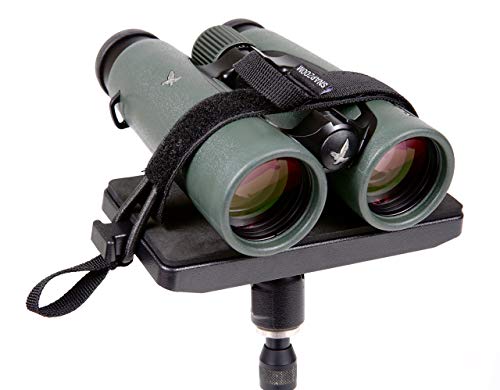 TOP CHOICEBest for small kitchensSnapzoom Universal Binocular Tripod MountView on Amazon
- 3
 TOP CHOICEBest budget pickBinocular Tripod Adapter, Binocular Mount 1/4 Inch Threading Mount Aluminium (s1)View on Amazon
- 4
 Best for heavy binocularsUniversal Binocular Mount (UBM) with Far-SightView on Amazon
- 5
 Best for 22 lb loadsAltazimuth Telescope Mount, Alt-az Reflector Telescope Equatorial MountView on Amazon
- 6
 Best for fine controlEminchu Altazimuth Telescope Mount Equatorial Mount with Micro Adjustment KnobView on Amazon
- 7
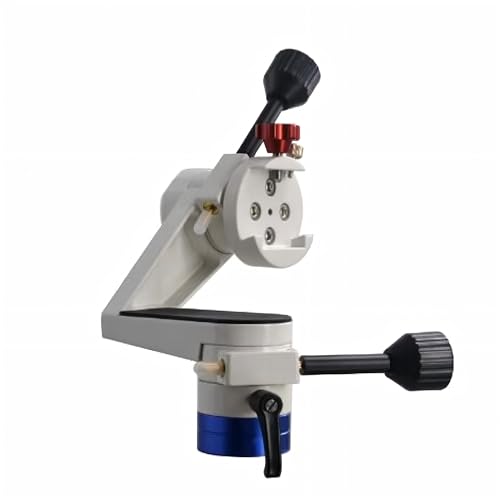 Best for multi-accessory setupsEquatorial Mount Altazimuth Telescope Mount with 360 Degree HorizontalView on Amazon
Our Top Picks
Quick Comparison
| Product | Best for | Key feature |
|---|---|---|
| Celestron CG-4 Manual German Equatorial Mount with Steel Tripod | Serious binocular astronomy on a fixed tripod | True equatorial tracking with slow-motion controls |
| Snapzoom Universal Binocular Tripod Mount | Compact, simple setups | Universal binocular clamp design |
| Binocular Tripod Adapter, Binocular Mount 1/4 Inch Threading Mount Aluminium (s1) | Budget-minded beginners | Lightweight aluminum build with 1/4-inch thread |
| Universal Binocular Mount (UBM) with Far-Sight | Heavier binoculars | Parallelogram design with 12 lb capacity |
| Altazimuth Telescope Mount, Alt-az Reflector Telescope Equatorial Mount | Mid-weight binoculars and small scopes | 22 lb capacity with coarse and fine adjustment |
| Eminchu Altazimuth Telescope Mount Equatorial Mount | Precise framing | Micro adjustment knob |
| Equatorial Mount Altazimuth Telescope Mount with 360 Degree Horizontal | Mixed cameras and binoculars | 360-degree horizontal rotation, 5 kg capacity |
Celestron CG-4 Manual German Equatorial Mount with Steel Tripod
Celestron CG-4 Manual German Equatorial Mount with Steel Tripod | Smooth Manual Tracking, Precision Slow-Motion Controls, Heavy-Duty Steel Tripod, Adjustable Latitude, Accepts Motor Drive
Best for: Serious binocular astronomy on a fixed tripod
This is the most complete equatorial option in the list. It is a manual German equatorial design, meaning the mount tracks the sky along a right ascension axis set to your latitude. It suits observers who want to hold a target steady for minutes at a time, such as the Moon or a star cluster, without constant readjustment.
Key specs
- German equatorial (manual) mount design
- Adjustable latitude for polar alignment
- Slow-motion controls on both axes
- Steel tripod included
- Accepts a motor drive accessory
Pros
- Smooth manual tracking once polar aligned
- Steel tripod adds stability in wind
- Motor drive compatibility leaves room to grow
Cons
- Polar alignment takes practice on the first few sessions
- Heavier and bulkier than adapter-style mounts
Bottom line: Best for observers who plan to use binoculars regularly under dark skies and want true equatorial tracking rather than a simple tripod head.
View on AmazonSnapzoom Universal Binocular Tripod Mount
Snapzoom Universal Binocular Tripod Mount
Best for: Compact, simple setups
A universal clamp-style mount aimed at people who want to attach binoculars to an existing tripod quickly. It is a good match for casual stargazers who do not need precise tracking but want a steadier view than handheld binoculars.
Key specs
- Universal binocular clamp
- Standard tripod thread for attachment
Pros
- Quick to attach and remove
- Small footprint for travel
- Simple, with few parts to misplace
Cons
- No true equatorial tracking
- Limited adjustment for fine framing
Bottom line: A practical choice for beginners who want steadier views without learning polar alignment.
View on AmazonBinocular Tripod Adapter, Binocular Mount 1/4 Inch Threading Mount Aluminium (s1)
Binocular Tripod Adapter, Binocular Mount 1/4 Inch Threading Mount Aluminium (s1)
Best for: Budget-minded beginners
An aluminum adapter that uses a 1/4-inch thread to mount binoculars on a standard tripod. Owners often describe it as a low-cost way to stop hand shake, though it offers no tracking motion.
Key specs
- 1/4-inch threading
- Aluminum construction
Pros
- Lightweight and easy to carry
- Straightforward attachment to common tripods
- Budget-friendly option
Cons
- No tracking or fine adjustment
- Stability depends heavily on the tripod used
Bottom line: A sensible entry point if you mainly want a stable platform and do not plan to track objects.
View on AmazonUniversal Binocular Mount (UBM) with Far-Sight
Universal Binocular Mount (UBM) with Far-Sight. Standard Parallelogram with 12 Pound Capacity.
Best for: Heavier binoculars
The UBM uses a parallelogram arm design to hold binoculars at a comfortable height while letting you pan and tilt. It is built for larger binoculars that would strain a basic adapter.
Key specs
- Parallelogram design
- 12 lb rated capacity
Pros
- Handles heavier binoculars
- Smooth pan and tilt movement
- Good eye-level positioning
Cons
- Not an equatorial tracking mount
- Requires a sturdy tripod for best results
Bottom line: Right for observers with large binoculars who need a load-rated platform rather than tracking.
View on AmazonAltazimuth Telescope Mount, Alt-az Reflector Telescope Equatorial Mount
Altazimuth Telescope Mount, Alt-az Reflector Telescope Equatorial Mount, 3/8” Thread for Tripod Telescopes for Adults Astronomy, Coarse & Fine Adjustment, 22LBS Capacity
Best for: Mid-weight binoculars and small scopes
Listed with a 22 lb capacity and both coarse and fine adjustment, this mount aims at users who want more load headroom than most binocular adapters offer.
Key specs
- 22 lb rated capacity
- 3/8-inch thread for tripod mounting
- Coarse and fine adjustment
Pros
- Generous load capacity
- Fine adjustment helps centering
- Works with standard 3/8-inch tripods
Cons
- Altazimuth design, so it does not track in right ascension
- Build quality varies by batch according to some owner reports
Bottom line: A good middle option for users who want capacity and fine control without a full German equatorial setup.
View on AmazonEminchu Altazimuth Telescope Mount Equatorial Mount with Micro Adjustment Knob
Eminchu Altazimuth Telescope Mount Equatorial Mount with Micro Adjustment Knob Multi Purpose Azimuth Base for Telescopes Cameras Binoculars
Best for: Precise framing
A multi-purpose base with a micro adjustment knob, intended for telescopes, cameras and binoculars. The knob helps when you need to nudge a target into the center of the field.
Key specs
- Micro adjustment knob
- Multi-purpose base for several accessory types
Pros
- Fine positioning is easier than with friction heads
- Versatile across accessory types
- Simple layout
Cons
- Not a true tracking mount
- Specific load rating is not clearly stated in the listing name
Bottom line: Suited to observers who value precise framing and want one base for several accessories.
View on AmazonEquatorial Mount Altazimuth Telescope Mount with 360 Degree Horizontal
Equatorial Mount Altazimuth Telescope Mount with Equatorial Mount 360 Degree Horizontal 3 8in Thread 5kg Weight Bearing for Cameras Telescopes Binoculars(Blue)
Best for: Mixed cameras and binoculars
This mount offers 360-degree horizontal rotation and a 5 kg weight rating, making it a general-purpose head for people who switch between binoculars and cameras.
Key specs
- 360-degree horizontal rotation
- 5 kg weight bearing
- 3/8-inch thread
Pros
- Full horizontal rotation for panning
- Suitable for cameras as well as binoculars
- Clear weight rating
Cons
- Altazimuth design, not true equatorial tracking
- Finish and fit can vary between units according to owner reports
Bottom line: A useful choice for mixed-use setups where you want one head for binoculars and light camera work.
View on AmazonBuying Guide
Mount type: equatorial versus altazimuth
An equatorial mount has one axis tilted to match your latitude, so turning it compensates for Earth’s rotation. An altazimuth mount moves up-down and left-right, which is simpler to use but requires constant small corrections to keep objects centered. Choose equatorial if you want longer, hands-off viewing.
Good picks for this: Celestron CG-4 Manual German Equatorial Mount with Steel Tripod, Altazimuth Telescope Mount, Alt-az Reflector Telescope Equatorial Mount
Load capacity
Check the combined weight of your binoculars, any adapter plate and any camera you may add. Manufacturers specify rated capacities, and staying well under the limit helps keep the mount stable. Heavy 20×80 or 25x binoculars need a higher rating than compact 8×42 models.
Good picks for this: Universal Binocular Mount (UBM) with Far-Sight, Altazimuth Telescope Mount, Alt-az Reflector Telescope Equatorial Mount
Thread size and tripod compatibility
Most mounts use a 1/4-inch or 3/8-inch thread. Confirm that your tripod’s head and the mount share a thread size, and use a reducer if needed. Mismatched threads are a common reason a setup feels loose or fails to seat properly.
Good picks for this: Binocular Tripod Adapter, Binocular Mount 1/4 Inch Threading Mount Aluminium (s1), Snapzoom Universal Binocular Tripod Mount
Adjustment and fine control
Coarse movement is fine for locating a target, but framing a planet or the Moon at high magnification needs slow-motion or micro adjustment. Look for dedicated fine-adjustment knobs on each axis if you plan to center small targets.
Good picks for this: Eminchu Altazimuth Telescope Mount Equatorial Mount with Micro Adjustment Knob, Celestron CG-4 Manual German Equatorial Mount with Steel Tripod
Polar alignment and setup effort
Equatorial tracking only works well when the mount’s axis points near the celestial pole. Expect to spend time on polar alignment, especially at first. Manuals and the included latitude scale help, and many owners recommend practicing in daylight before a dark-sky session.
Good picks for this: Celestron CG-4 Manual German Equatorial Mount with Steel Tripod
Stability and tripod quality
A mount is only as steady as the tripod beneath it. Heavier tripods with wider leg spreads reduce vibration. Use a tripod rated for at least the mount’s load, and extend the legs fully on uneven ground.
Good picks for this: Universal Binocular Mount (UBM) with Far-Sight, Celestron CG-4 Manual German Equatorial Mount with Steel Tripod
Build material and durability
Aluminum adapters are light and resist corrosion, while steel parts add rigidity. Owners often report that finish quality varies across budget mounts, so check threads, knobs and locks in person when possible. Keep the mount dry and store it covered to protect bearings and fasteners.
Good picks for this: Binocular Tripod Adapter, Binocular Mount 1/4 Inch Threading Mount Aluminium (s1), Celestron CG-4 Manual German Equatorial Mount with Steel Tripod
FAQ
Do I need an equatorial mount for binoculars?
Not always. A basic adapter stops hand shake, which is enough for brief looks. An equatorial mount is worth considering if you want to follow objects for long periods without constant readjustment.
What is the difference between equatorial and altazimuth mounts?
An equatorial mount has an axis aligned to the celestial pole so one motion tracks the sky. An altazimuth mount moves up-down and side-to-side, which is easier to set up but needs frequent corrections.
How do I polar align an equatorial mount?
Set the mount’s latitude to your location, point the polar axis toward the celestial pole (Polaris in the Northern Hemisphere), and fine-tune using the mount’s adjustment screws. Practice in daylight before dark-sky sessions.
What thread size do binocular mounts use?
Most use 1/4-inch or 3/8-inch threads. Check your tripod head and the mount’s listing, and use a thread adapter if the sizes differ.
Can I use a binocular mount with a telescope?
Some universal mounts list telescope compatibility, but check load ratings and clamp sizes first. A telescope’s weight and balance can exceed what a binocular mount is designed to hold.
How much weight can a binocular mount hold?
Ratings vary. Some adapters list roughly 12 lb to 22 lb, while others are rated closer to 5 kg. Always compare the rated capacity against your binoculars’ weight and leave a margin.
Is an equatorial mount hard to use for beginners?
It has a learning curve, mainly in polar alignment. Once aligned, most owners find manual tracking straightforward, though it benefits from practice and patience.
Conclusion
For long, hands-off viewing with binoculars, the Celestron CG-4 Manual German Equatorial Mount with Steel Tripod is the most complete equatorial option here, provided you are willing to polar align. If you want steadier views without tracking, the Snapzoom Universal Binocular Tripod Mount or the Binocular Tripod Adapter suit simpler setups. For heavier binoculars, the Universal Binocular Mount (UBM) with Far-Sight and the Altazimuth Telescope Mount with 22 lb capacity offer more load headroom. The Eminchu micro-adjustment base suits precise framing, and the 360-degree Equatorial Mount Altazimuth head works well for mixed binocular and camera use.
Sources
- Background on Earth's rotation and how it affects apparent sky motion (nasa.gov)
- Introductory guides to using binoculars and tripods for stargazing
- Resources from professional astronomy associations on observing equipment basics
Related reading
- iOptron iEQ30 Pro Equatorial Mount Review: 4 Best Options Compared (2026)
- ZWO AM5N Harmonic Equatorial Mount: Setup Guide for Beginners
- ZWO AM3 Harmonic Equatorial Mount: Setup, Polar Alignment and Tips
- When Was the German Equatorial Mount Invented? History and Origins
About Colin Foster
Colin Foster is part of our editorial team and reviews and edits our telescopes & stargazing guides, checking product details against manufacturer specifications and owner feedback.
About the author
Colin Foster writes reviews and buying guides for Astronomy Site.