5 Best Nikon Cameras for Astrophotography: 5 Expert Picks (2026)
Find the best Nikon camera for astrophotography. We compare five Nikon bodies and lenses on sensor, high-ISO performance and live view to help you choose.
 By astronomysite editorial team
Updated November 7, 2026

As an Amazon Associate I earn from qualifying purchases. This page may contain affiliate links.
Choosing a Nikon camera for astrophotography comes down to a few practical questions: how well the sensor handles high ISO without turning the Milky Way into noise, whether the body has a usable articulating screen for shooting overhead, how easily it accepts a remote release and intervalometer, and whether the lens kit can reach wide enough to frame the sky. This list weighs those factors using manufacturer specifications, the reputation of each model in night photography circles, and recurring owner feedback about noise, battery life and live view performance. None of these picks were tested in our own setup, so treat the notes below as research-based guidance rather than hands-on results.
Our Top Picks
Quick Comparison
| Product | Best for | Key feature |
|---|---|---|
| Nikon Z50 II with Two Lenses | Beginners who want modern mirrorless handling | Mirrorless body with an articulating screen |
| Nikon D7500 20.9MP DSLR | Hobbyists who want an APS-C DSLR with strong battery life | 20.9MP APS-C sensor with an 18-140mm kit lens |
| Nikon D3100 14.2MP DSLR (Renewed) | Budget-minded beginners learning the basics | Simple DSLR design with an 18-55mm VR kit lens |
| Rokinon 135mm F2.0 ED UMC Lens | Deep-sky and nightscape shooters on a Nikon body | Fast f/2.0 telephoto optic for Nikon F mount |
| Nikon D5100 16.2MP DSLR (Renewed) | Entry-level astro shooters on a tight budget | 16.2MP sensor with a 18-55mm VR lens |
Nikon Z50 II with Two Lenses
Nikon Z50 II with Two Lenses | Compact mirrorless Stills/Video Camera with Easy Color presets and Wireless Photo Sharing | USA Model
This is the most modern body on the list and the best fit for someone starting astrophotography who wants a mirrorless camera with a responsive electronic viewfinder and a screen that tilts for shooting at the zenith. Owners often mention that the live view makes focusing on stars and composing foregrounds easier than with an optical viewfinder.
Key specs
- Mirrorless body in the Z mount system
- Supplied with two lenses (listing-specified kit)
- Still and video capable
Pros
- Live view and electronic viewfinder make star focusing straightforward
- Articulating screen helps with high-angle and overhead framing
- Compact size makes it easy to carry on a dark-sky trip
Cons
- Z mount lenses are a separate investment if you want faster glass later
- Battery life in live view is shorter than a DSLR’s optical viewfinder mode
Nikon D7500 20.9MP DSLR Camera

Nikon D7500 20.9MP DSLR Camera with AF-S DX NIKKOR 18-140mm f/3.5-5.6G ED VR Lens, Black
The D7500 suits hobbyists who want a DSLR with a large APS-C sensor and strong battery endurance for long exposure sessions. Its 20.9MP sensor offers plenty of resolution for cropping into star fields, and the 18-140mm kit lens gives a useful zoom range for mixing wide Milky Way frames with closer landscape shots.
Key specs
- 20.9MP APS-C (DX) sensor
- AF-S DX NIKKOR 18-140mm f/3.5-5.6G ED VR kit lens
- Optical viewfinder with DSLR battery endurance
Pros
- Large sensor for its class with good detail for star fields
- Battery life suits multi-hour shooting sessions
- Wide zoom range covers both wide-field and telephoto framing
Cons
- Heavier than mirrorless alternatives when hiking to a dark site
- The kit lens’s f/5.6 at the long end limits light gathering
Nikon D3100 14.2MP DSLR Camera (Renewed)

Nikon D3100 14.2MP DSLR Camera with AF-S DX 18-55mm f/3.5-5.6 VR Zoom Lens – (Black) (Discontinued) (Renewed)
The D3100 is an older, discontinued entry-level body listed as renewed. It can still produce usable Milky Way images for a beginner learning exposure settings, but owners generally report more noise at high ISO than newer models deliver. It is best approached as a low-cost way to learn the craft.
Key specs
- 14.2MP DX-format sensor
- AF-S DX 18-55mm f/3.5-5.6 VR zoom kit lens
- Renewed, discontinued listing
Pros
- Simple controls make it easy to learn manual exposure
- Lightweight and compact for carrying to dark sites
- Works with a standard remote release for long exposures
Cons
- Noisier at high ISO than current Nikon DX bodies
- Discontinued status means limited support and accessory updates
Rokinon 135mm F2.0 ED UMC Telephoto Lens for Nikon

Rokinon 135mm F2.0 ED UMC Telephoto Lens for Nikon Digital SLR Cameras | Premium optical design delivers sharp image quality and reliable performance for photography and video.
This is a lens rather than a body, but it is a strong choice for deep-sky and nightscape work on a Nikon DSLR or compatible camera. The fast f/2.0 aperture lets you shoot shorter exposures at lower ISO, which helps with noise and star tracking. Pair it with a solid tracking mount, since telephoto focal lengths magnify tracking errors.
Key specs
- 135mm focal length
- Maximum aperture f/2.0
- Made for Nikon F-mount digital SLR cameras
Pros
- Fast aperture gathers light for faster exposures
- Useful for isolating galaxies and nebulae
- Manual focus suits careful star focusing
Cons
- Manual-only operation means no autofocus or automatic aperture control
- Telephoto framing requires accurate tracking to avoid star trails
Nikon D5100 16.2MP DSLR Camera (Renewed)
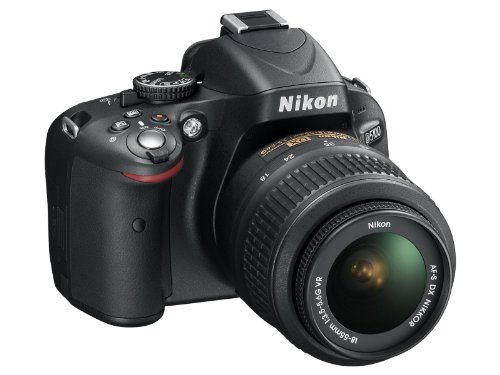
Nikon D5100 16.2MP Digital SLR Camera & 18-55mm VR Lens (Renewed)
The D5100 is another older entry-level DSLR, sold renewed, and is a reasonable choice for someone who wants a Nikon body for basic wide-field Milky Way shots. Its 16.2MP sensor is adequate for beginner work, though newer bodies handle noise more gracefully.
Key specs
- 16.2MP DX-format sensor
- 18-55mm VR lens included in the listing
- Renewed listing
Pros
- Familiar DSLR layout with an optical viewfinder
- Lightweight and easy to carry on night hikes
- Good starting point for learning long-exposure technique
Cons
- High-ISO noise is more visible than on current models
- Limited live view and screen features compared with newer bodies
Buying Guide
A camera for astrophotography works differently from a daytime camera. Most of your results depend on how the sensor behaves in low light, how stable your setup is during long exposures, and how much control you have over settings without touching the body. Start with the features below before comparing model names.
Selection Criteria
- Sensor size and noise performance: APS-C (DX) sensors on Nikon DSLRs and mirrorless bodies generally give a good balance of light sensitivity and portability. Full-frame bodies gather more light per pixel, but they cost more to carry and buy.
- Live view and articulating screen: Focusing on faint stars is far easier in live view with magnification. A tilting screen helps when the camera points toward the zenith.
- Remote release support: Look for a port or wireless option for a remote shutter release or intervalometer so you avoid camera shake.
- Battery life: Long exposures and live view both drain batteries. DSLRs with optical viewfinders typically last longer per charge than mirrorless bodies in live view mode.
Important Features
- Manual exposure control with bulb mode for exposures longer than 30 seconds
- Manual focus compatibility, since autofocus struggles on stars
- Good high-ISO performance, ideally usable at 1600 to 3200 for stacked images
- RAW file support, which preserves the dynamic range you need for processing
Specs to Check
Check the focal length and maximum aperture of the lens, the sensor format (DX or FX), the presence of a remote port, and the battery life rating in the manufacturer’s specifications. For lenses, a maximum aperture of f/2.8 or faster is useful for deep-sky work, while f/2.0 to f/1.8 is a clear advantage if your budget allows.
Choosing by Need
- Beginners who want easy focusing: A mirrorless body with live view, such as the Z50 II, is the most forgiving starting point.
- Hobbyists who want long battery life and resolution: A DSLR like the D7500 suits extended field sessions.
- Deep-sky imaging: A fast telephoto lens such as the Rokinon 135mm f/2.0 gives more light per frame, but it needs a tracking mount.
- Learning on a tight budget: A renewed entry-level DSLR gets you started, with the understanding that noise will be higher.
Things to Watch Out For
- Renewed and discontinued bodies may have limited warranty coverage and fewer firmware updates.
- Telephoto lenses magnify tracking error, so a wide lens often gives better results without a tracking mount.
- Kit zoom lenses usually have slower apertures, which means longer exposures or more noise.
- Check that any remote or intervalometer you buy is compatible with the specific Nikon body.
FAQ
Do I need a full-frame Nikon for astrophotography?
No. Many astrophotographers get excellent results with APS-C (DX) bodies. Full-frame sensors gather more light and usually produce cleaner high-ISO images, but a DX body paired with a fast lens can still capture strong Milky Way and deep-sky frames.
Which Nikon lens is best for the Milky Way?
A wide lens with a fast aperture, such as f/2.8 or faster in the 14mm to 24mm range, is commonly recommended for Milky Way wide-field shots. For deep-sky objects, a longer telephoto lens like a 135mm f/2.0 is often used, but it requires a tracking mount to keep stars sharp.
Can I use a DSLR’s live view for focusing on stars?
Yes. Enable live view, magnify the image on a bright star, and adjust manual focus until it appears as a tight point. Many photographers note that this method works better than autofocus, which often fails in the dark.
What ISO should I use for astrophotography with a Nikon?
There is no single correct setting. A common starting range is ISO 1600 to 3200 for Milky Way shots, but the best value depends on your sensor, lens aperture and exposure length. Test a few settings and compare noise levels in your RAW files.
How long can I expose each frame?
Exposure length depends on focal length and whether you use a tracker. Without tracking, the 500 rule (500 divided by focal length) gives a rough maximum exposure time in seconds on a full-frame camera; APS-C users should divide by the crop factor first. Tracking mounts allow much longer exposures.
Do I need a remote shutter release?
A remote release or intervalometer is strongly recommended. Pressing the shutter button can shake the camera during long exposures, which softens stars. A remote also lets you take a series of frames for stacking without touching the body.
Is a renewed Nikon camera a good choice for astrophotography?
It can be, if the price fits your budget and the seller offers a reasonable return or warranty. Check the sensor and shutter condition, and confirm that the included lens and accessories work properly. Discontinued models may limit future firmware and accessory support.
Conclusion
For most beginners, the Nikon Z50 II offers the easiest path into astrophotography thanks to live view and an articulating screen. Hobbyists who want long battery life and high resolution should look at the D7500. The D3100 and D5100 are renewed options that work for learning the basics but show more noise at high ISO. If deep-sky imaging is your goal, add a fast telephoto lens such as the Rokinon 135mm f/2.0 to whichever Nikon body you choose, and plan for a tracking mount. Match the camera to your shooting style and your tolerance for noise, and you will have a solid foundation for night sky work.
Related reading
- What Is the Best Nikon Camera Lens for Astrophotography? Top Picks
- Monochrome Camera for Astrophotography: A Step-by-Step Guide for Beginners
- Full Frame Camera for Astrophotography: What Matters and What to Buy
- Deep Sky Astrophotography Camera Compared: 7 Best Picks for 2026
- DSLR Camera for Astrophotography: How to Choose and Set Up One
- Canon Camera for Astrophotography: 4 Best Picks for Beginners (2026)
About the author

astronomysite editorial team writes reviews and buying guides for Astronomy Site.